

At-Home Skincare Device Companies That Will Transform Your Skin
2026-09-30
The at-home skincare device market is booming, but only a few brands actually deliver visible changes instead of gimmicks. From LED masks to microcurrent tools, the right device can firm, brighten, and smooth your skin without a dermatologist visit. Among the names worth watching, Omeina stands out for its thoughtful blend of clinical-grade technology and user-friendly design. If you're ready to upgrade your routine, here's a closer look at the companies redefining what's possible at home.
LED Masks That Turn Your Couch Into a Dermatologist’s Office
A decade ago, light therapy meant sitting under a panel in a clinic with protective goggles and a timer. Today, the same wavelengths are built into flexible, face-hugging masks that let you scroll your phone or watch TV while your skin gets a targeted dose of red or blue light. The shift isn't just about convenience—it's about making a previously clinical treatment feel like part of an evening routine rather than a medical errand.
Red light, usually around 630–660 nanometers, is the workhorse for fine lines and overall tone because it penetrates deeper to stimulate collagen and calm inflammation. Blue light, closer to 415 nanometers, targets acne-causing bacteria on the surface. The best masks don't try to do everything at once; they let you switch wavelengths based on what your skin needs that week, which matters more than a single high-intensity blast.
Consistency is what separates a useful gadget from a drawer full of abandoned tech. Three to five short sessions a week, done while reading or answering emails, is realistic for most people—and that realistic frequency is exactly what produces visible changes over a month or two. It won't replace a dermatologist for serious concerns, but for maintenance and mild inflammation, your couch can now do a decent impression of the office.
Microcurrent Gloves and Wands: The Non-Invasive Facelift You’ve Been Waiting For
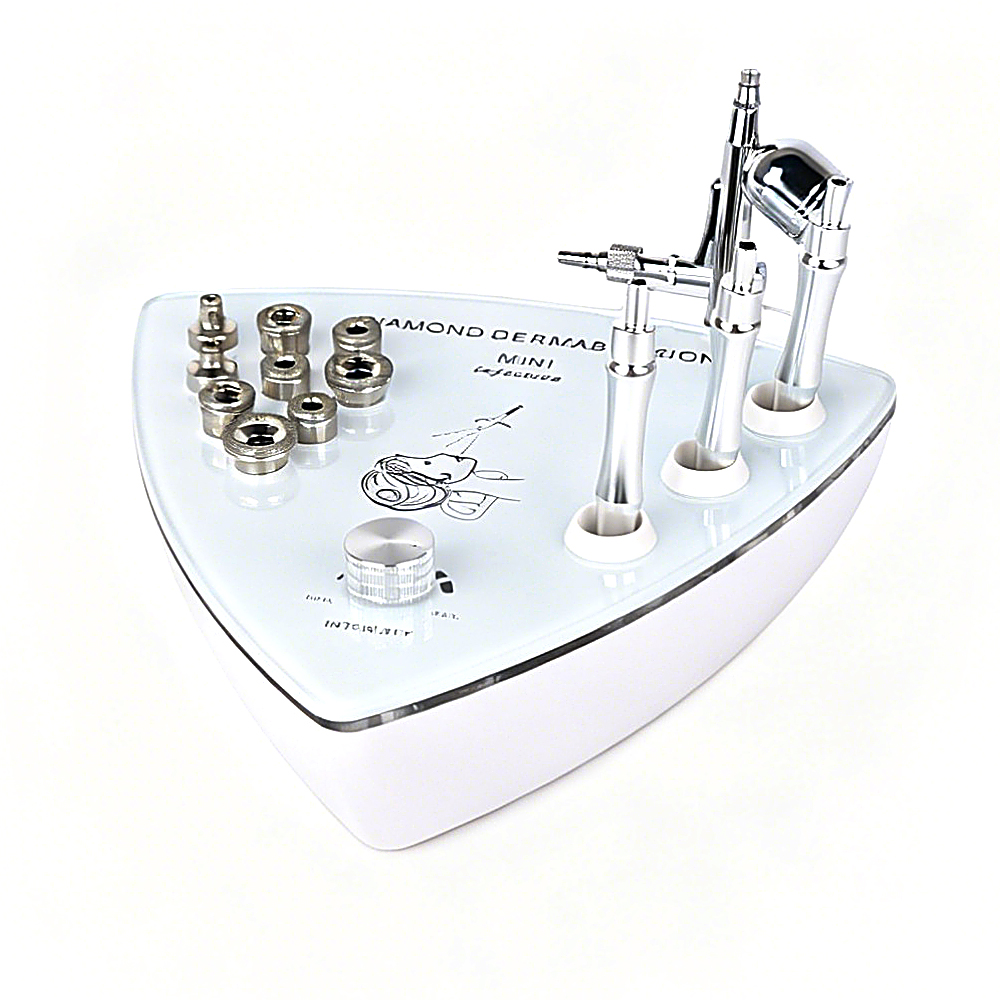
Microcurrent gloves and wands are quietly becoming the at-home beauty tool of choice for people who want to skip the needle but still see real lift. Unlike a jade roller or a face massager that merely feels nice for five minutes, these devices emit low-level electrical currents that mimic the body's own bioelectric signals. The idea is simple: by reminding facial muscles to stay active and encouraging cellular energy production, microcurrent technology helps smooth, firm, and re-energize the skin over time. You won't get the dramatic frozen look of a surgical facelift, but you also won't get the downtime, the bruising, or the bill.
What makes the glove and wand format particularly interesting is how intuitive the application becomes. A microcurrent wand lets you target small areas like the brow bone or jawline with precision, while a glove spreads the current across a wider surface for an all-over facial workout. Many users report that after just a few sessions, their cheekbones seem slightly more pronounced and the area around their eyes looks less tired. Because the current is gentle and adjustable, it can be used while watching TV, doing a morning skincare routine, or even as a five-minute pre-event pick-me-up. The key is consistency — a few minutes a day works better than an hour once a month.
Of course, a device is only as good as its conductor. A water-based serum or gel is non-negotiable, as the current needs a medium to travel through. Without it, you might feel a slight tingling or nothing at all, and the treatment becomes far less effective. For those with sensitive skin or active breakouts, it's wise to start on the lowest setting and avoid any inflamed areas. Over time, the non-invasive nature of microcurrent gloves and wands becomes their biggest selling point: there's no recovery period, no long-term commitment, and no fear of looking overdone. It's a quiet, cumulative approach to lifting that fits into real life — not just a spa visit.
Radiofrequency Devices That Tighten While You Scroll
Most at-home skin tools demand you sit still, stare at a mirror, and wait. Then there's the new wave of radiofrequency devices that are deliberately built for multitasking. You can keep one hand on your phone—scrolling through whatever actually holds your attention—while the device's warm ceramic tip glides over your jawline or cheekbones. It sounds trivial, but that small change makes a session feel less like a chore and more like an idle habit.
The radiofrequency energy itself isn't new; it delivers controlled heat to the deeper layers of skin, where it nudges collagen and elastin into reorganizing. What's different is how these tools fit into your existing routine. A soft chime or a pulsing light tells you when to move to the next zone, so you don't have to keep track. Because your eyes are on the screen, you're less likely to rush or press too hard—two mistakes that often derail home treatments.
Results don't appear overnight. Most people notice a slight post-session plumpness, but the real tightening builds over six to eight weeks of regular use. Think of it as background maintenance: you scroll, the device works, and your skin gradually looks a bit more lifted around the cheeks and neck. It won't replace a clinic visit, but it's a low-friction way to keep things from sliding too early.
Sonic Cleansers With Spa-Grade Tech—No Appointment Needed
The biggest shift isn’t the device itself—it’s what disappears from your calendar. A proper sonic cleanse used to mean booking weeks out, commuting across town, and settling into someone else’s schedule. Now that same spa-grade pulsation sits on your bathroom counter, ready in the time it takes to wash your face.
What makes it feel like a professional treatment is the combination of speed and softness. High-frequency vibrations loosen the kind of grit that cotton pads leave behind, but the real difference is how your skin reacts afterward: no redness, no tightness, just that post-facial smoothness. A few slow passes along the jaw and around the nose give you the same unhurried ritual without the clock running.
You don’t need to replace your cleanser or stack another serum. The tool does the work your hands can’t quite reach, and because there’s no appointment to keep, you’re more likely to actually use it. That consistency beats an occasional spa visit every time.
At-Home Laser Tools for Dark Spots That Dermatologists Actually Recommend
While serums and creams often promise the world, the reality is that most barely make a dent in stubborn hyperpigmentation. That's why a growing number of dermatologists are pointing patients toward at-home laser devices—but only the ones that use clinically validated wavelengths and energy levels. These aren't the gimmicky gadgets you see in late-night infomercials; they're compact versions of in-office fractional and diode lasers that deliver just enough heat to break up excess melanin without damaging the surrounding skin.
The key difference between a dermatologist-approved tool and a risky buy lies in the technology. Look for devices that emit non-ablative fractional laser energy, typically around 1400 to 1550 nanometers, or those using low-level diode laser technology. These wavelengths penetrate to the dermal-epidermal junction where melanin accumulates, gently disrupting pigmented cells while stimulating collagen production. Doctors often mention that the best at-home lasers for dark spots are those that allow you to adjust energy settings, because a one-size-fits-all approach simply doesn't work across different skin tones and spot types. Darker skin, in particular, requires lower energy to prevent post-inflammatory hyperpigmentation.
Consistency and protection are non-negotiable. Even the best at-home laser won't erase a dark spot overnight; most require two to three sessions per week for at least a couple of months to see noticeable fading. During that time, daily broad-spectrum sunscreen is essential—without it, the laser's effects can be undone by new UV damage. It's also wise to pair the device with a tyrosinase inhibitor like a vitamin C or tranexamic acid serum, as many dermatologists recommend combining physical light therapy with topical brighteners for faster, longer-lasting results. And if you're unsure whether your skin type is a good candidate, a quick consultation with a board-certified dermatologist can save you from burns, scarring, or wasted money.
Smart Skincare Devices That Adjust to Your Skin’s Mood Swings
Mornings after a late night, skin can feel dull and tight, while a stressful week might trigger unexpected breakouts or redness. Traditional routines treat the skin as a static canvas, but these smart devices read the room—literally. Embedded sensors track hydration, oil levels, and even subtle shifts in pH, then tweak their output on the fly. One minute they’re delivering a cooling, calming mist; the next, a gentle warming massage to boost circulation. The result is a routine that bends around your life instead of forcing you to stick to a rigid schedule.
What makes these gadgets feel less like machines and more like partners is their ability to learn. After a week of use, they start noticing patterns: your skin gets puffy after salty dinners, flaky after long flights, or extra sensitive before a big presentation. Instead of waiting for you to diagnose the problem, the device adjusts its serum dosage, LED wavelength, or sonic intensity before you even look in the mirror. It’s not just reacting to a single reading—it’s anticipating the arc of your day.
Some models go a step further by syncing with your calendar, weather app, and sleep tracker. A night of poor rest triggers a morning routine focused on depuffing and barrier repair. A forecast of high pollution shifts the evening cleanse into a deeper extraction mode. No menus, no guesswork—just a quiet conversation between your skin and the hardware in your bathroom. And unlike one-size-fits-all gadgets that gather dust after a month, these adapt as your skin’s mood swings evolve, staying relevant across seasons, stress levels, and hormonal shifts.
FAQ
Look into Foreo for cleansing and firming, NuFace for microcurrent toning, and Dr. Dennis Gross for LED masks. LightStim is also solid for acne or wrinkles. Skip anything that promises overnight miracles.
LED is gentler and works over time for collagen and redness, while microcurrent gives more immediate lifting but needs consistent use. If your main concern is sagging, start with microcurrent; if it's dullness or acne, LED is a safer bet.
They won't match a dermatologist's laser or a professional chemical peel, but they can maintain results between visits. Think of them as a maintenance tool, not a replacement.
Not reading the instructions and overusing them. More sessions won't speed up results; it just irritates your skin. Stick to the recommended schedule.
Yes, most microcurrent devices require a conductive gel, and LED masks work best on clean, product-free skin. Using the wrong product can block the light or cause irritation.
Generally yes if you start slowly and patch test. LED is usually fine, but microcurrent can feel tingly. If you have rosacea or active breakouts, consult a derm first.
LED masks often take 8-12 weeks of regular use for visible changes. Microcurrent lift is instant but temporary, lasting a day or two. Consistency is everything.
Foreo's Luna line is reasonably priced for cleansing, and the Dr. Dennis Gross Spectralite mask is pricey but well-built. For microcurrent, the NuFace Mini is a good entry point. Avoid cheap knockoffs on marketplace sites.
Conclusion
A new wave of at-home skincare device companies is quietly rewriting the rules of everyday skin maintenance. LED masks no longer feel like sci-fi props; they fit over your face while you answer emails, stream a movie, or chop vegetables, delivering targeted wavelengths once reserved for dermatology clinics. Microcurrent gloves and wands take that same convenience further, using low-level electrical pulses to nudge facial muscles into a more lifted state—no needles, no downtime. Radiofrequency devices add heat to the equation, warming the deeper dermis just enough to encourage collagen production while you scroll through your phone.
Sonic cleansers bring spa-grade exfoliation into the bathroom, loosening oil and debris that ordinary washing leaves behind. For dark spots and uneven tone, at-home laser tools now offer targeted energy that many dermatologists are willing to recommend, provided users follow instructions. Smart skincare devices push the category even further, with sensors that read your skin's hydration, oil levels, or temperature and adjust treatment intensity on the fly. Instead of a fixed routine, you get feedback that feels personal. The result is a routine that adapts to your skin's current state rather than forcing a one-size-fits-all approach. These companies are dismantling the old belief that real results demand a waiting room and a co-pay.
Contact Us
Contact Person: Tina Liu
Email: [email protected]
Tel/WhatsApp: 8618681405932
Website: https://www.omeinabeauty.com/