

Best Dredging Equipment Manufacturer to Consider for Your Next Marine Project
2026-09-02
Choosing the right dredging equipment can make or break your marine project—one wrong selection leads to blown budgets, stalled timelines, and subpar results. With countless manufacturers claiming to be the best, how do you cut through the noise? Whether you're deepening a harbor, reclaiming land, or maintaining waterways, the equipment you rely on needs to handle tough conditions without constant downtime. That's where YaKai Dredger enters the picture: a manufacturer that has quietly earned a reputation for rugged, efficient, and custom-built dredgers. In this guide, we'll walk through what to look for in a top-tier dredging partner and why YaKai Dredger deserves a spot on your shortlist for the job ahead.
What a Strong Dredge Builder Gets Right Before the Sale
A serious builder doesn’t start by quoting a price. They start by asking about the material you’re actually moving—silt, sand, gravel, or a sticky mix that changes with every tide. That early conversation often includes a site visit or at least a careful review of your survey data, because pump size, hull shape, and cutter head choice all hinge on what’s below the waterline. If those questions feel intrusive, you’re probably talking to the right person.
Before money changes hands, the best shops map out how the dredge will be maintained in your conditions. They’ll flag wear points, recommend spare parts that actually fail in the field rather than padding an invoice, and walk you through what daily greasing or inspection should look like. This isn’t a sales pitch; it’s a reality check that saves you from expensive downtime later.
Another tell is their willingness to put performance estimates on paper. Instead of vague horsepower claims, they’ll share expected solids output for your specific slurry, fuel burn at typical operating depth, and the lifting capacity of the ladder under load. Builders who do this before the sale have usually spent enough hours on real dredges to know those numbers won’t embarrass them after delivery.
Matching Cutter Heads and Pump Sizes to Your Sediment Reality
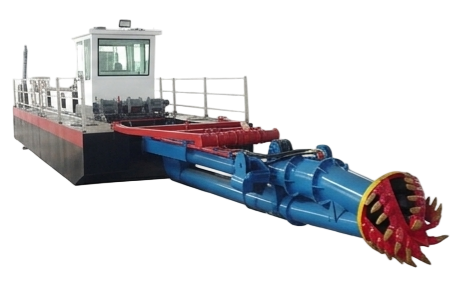
Field experience shows that sediment rarely matches the brochure. A cutter head designed for loose silt will bog down in stiff clay, while aggressive rock teeth waste fuel in soft mud. Matching starts with a blunt assessment of grain size, cohesion, and compaction.
Pump selection follows the same reality check. An oversized pump pulling thin slurry cavitates and forces operators to throttle flow, which can strand solids in the pipeline. Undersized pumps choke on the first pocket of coarse sand. The right pump matches the cutter's actual production rate at the target slurry density, not the theoretical maximum.
Wise contractors keep a spare cutter head or interchangeable teeth on hand and test pump curves against real samples before mobilizing. Small adjustments—changing tooth spacing or impeller clearance—often bridge the gap between spec sheet and dredge face.
Why Local Parts Access Changes Project Timelines More Than Specs
Spec sheets look great in a binder, but they don't reflect what happens when a pump seal fails on a Tuesday morning. If the replacement seal is sitting in a local distributor's warehouse, you lose half a day. If it has to ship from another country, you might lose two weeks. That's the difference between a project that stays on track and one that slips past its deadline, and it has nothing to do with the rated flow or pressure on paper.
Contractors who work primarily from a detailed spec often assume that every parameter matters equally. In practice, a slight difference in horsepower or flange rating rarely stops work. What stops work is waiting for a coupling, a sensor, or a gasket that no one within 500 miles stocks. When those parts are available down the road, the team can modify, test, and move on the same day. When they aren't, the entire schedule resets around a shipping estimate.
This is why experienced project managers walk the local supply aisle before they sign off on a final design. They know that a machine which matches every line on a spec sheet but depends on obscure, hard-to-source components will likely miss its deadline. Meanwhile, a slightly less optimized unit built from parts you can grab in an afternoon will finish sooner. Timelines bend toward the nearest shelf, not the shiniest brochure.
Fuel Burn Draft and Transport Costs Many Buyers Overlook
A vessel's fuel burn rarely makes the top of a buyer's checklist, but it quietly shapes the real cost of ownership. A boat that sips fuel at cruising speed might seem fine on paper, yet when you push it hard against current or wind, consumption can spike well beyond the brochure numbers. Many owners get a rude surprise after their first long trip, realizing they budgeted for ideal conditions while the real world demands far more throttle.
Draft is another hidden factor that trips up even experienced buyers. A boat that draws five feet may slip into shallow anchorages with ease, but stretch that to six or seven and suddenly a whole network of waterways, marinas, and fuel docks becomes off-limits. Deeper draft often means longer detours, tender rides ashore where you can't get close, and higher docking fees at deep-water slips—costs that accumulate quietly over every season.
Transporting the boat to its home port or a distant cruising ground is where overlooked expenses really sting. Overland hauling for a wide-beam vessel can require pilot cars, route surveys, and even temporary removal of signage or utility lines. By sea, delivery crews burn fuel you'll never see on a spec sheet, and if the boat needs to be lifted for a trailer or a ship, crane fees and yard charges add up fast. Buyers who ignore these logistics often find their "great deal" has a five-figure delivery bill attached before the first weekend out.
Vetting a Manufacturer Through Past Projects Not Promises
When a manufacturer talks about capabilities, the words often sound identical across every factory floor. The real differentiator shows up in what they've already shipped—not what they claim they can do next quarter. Ask to walk through a completed project that resembles your own, and pay attention to how they describe the problems that surfaced mid-production. A factory that only presents smooth case studies is likely hiding the messy parts that actually test their competence.
Dig into the physical evidence. Request samples from past runs, not just the glossy prototypes they keep in the showroom. If they produced enclosures for outdoor telecom equipment, ask how the powder coating held up after two winters. If they built precision brackets for medical devices, ask about the rejection rate on the first batch. These details won't appear in a brochure, but they reveal whether the manufacturer's quality system is real or just a framed certificate on the wall.
Finally, talk to the people who managed those past orders—not the sales lead you're currently dealing with. A quick call with a previous production supervisor or a client reference can uncover whether the factory actually met deadlines under pressure or quietly slipped dates while blaming raw material delays. Promises are cheap; a trail of completed, documented projects is the only due diligence that holds weight.
Questions to Ask Before Signing Any Dredging Equipment Contract
Before you put pen to paper, dig into the details that often get buried in fine print. Ask whether the quoted price covers mobilization, demobilization, and any standby time—these hidden costs can balloon a project budget overnight. Also, clarify who bears the risk if the dredge sits idle due to weather, permitting delays, or site conditions you didn’t anticipate. A contractor might promise a low day rate, but if you’re on the hook for every hour the equipment is on your site regardless of productivity, that’s a dangerous deal.
Next, demand a clear breakdown of the dredge’s specifications and recent maintenance records. Will the actual machine assigned to your project match the one in the proposal, or could a smaller, older unit show up? Ask about the crew’s experience with similar sediment types and depths—dredging in silty clay is very different from sand or rock. And don’t forget the environmental side: who handles the disposal of dredged material, and are all necessary permits already secured or only “in process”? If the answer is vague, walk away.
Finally, pin down the payment terms and dispute resolution process before any work starts. Is the schedule tied to milestones like cubic yards removed, or is it strictly time-based? If things go wrong—equipment breakdowns, missed deadlines, contract termination—what’s your recourse? A reputable dredging contractor won’t hesitate to put these answers in writing. If you feel rushed or pressured to sign without reviewing every clause, that’s the clearest signal to slow down and renegotiate.
FAQ
A dependable builder doesn't just sell you a dredger; they spend time understanding your sediment type, water depth, and production targets. Look for a team that asks detailed questions about your site before recommending anything, and that can supply reference projects with similar soil conditions. Strong hydraulic design, accessible spare parts, and experienced commissioning engineers are non-negotiable.
Royal IHC and Damen Shipyards have solid track records for heavy-duty cutter suction dredgers used on capital and maintenance dredging. In the US, Ellicott Dredges and DSC Dredge are often chosen for their customizable designs and local support. It's worth comparing a few options rather than defaulting to the biggest name, because lead times and regional service vary.
Customization matters most when your project has unusual constraints, such as shallow draft, high slurry density, or strict environmental limits. A manufacturer that can adjust ladder length, pump size, or spud carriage design early in the process can save you months of downtime later. If they only offer standard catalog models, ask how flexible they are with modifications.
Get clear answers on spare parts availability, response time for remote diagnostics, and whether they have service technicians near your project site. Ask for a list of recent clients and call one or two to hear how the manufacturer handled emergency repairs. A good support setup includes operator training, maintenance schedules, and direct access to engineers who know your specific dredger configuration.
Don't focus only on the purchase price. Fuel consumption, wear parts like pump shells and cutter teeth, and ease of maintenance account for a large share of long-term costs. Request a breakdown of expected wear rates and energy use under your operating conditions. A slightly more expensive dredger with a better hydraulic system can pay for itself within two years through lower fuel and repair bills.
Automation and monitoring systems are changing how dredgers operate. Look for manufacturers that offer integrated depth and production monitoring, GPS-guided positioning, and automated swing or ladder control. These features reduce operator fatigue and help maintain consistent cutting density, which improves output. However, avoid gimmicks; confirm that the electronics are backed by local field support and easy-to-source sensors.
Ask for case studies from similar sites, especially those with sensitive habitats, turbidity limits, or sediment contamination. A capable manufacturer will discuss silt curtains, precision dredging, overflow control, or water treatment integration without prompting. If they can walk you through how their equipment meets specific discharge standards, that's a strong sign they've handled more than just straightforward sand jobs.
Conclusion
Before you settle on a dredge equipment manufacturer for a marine job, look closely at how the builder handles the pre-sale stage. A solid outfit will ask about your sediment instead of assuming a standard sand mix works. They will want to know if you are dealing with stiff clay, shell hash, or fine silt, and then they will adjust cutter head options and pump impeller clearances around that information. Local parts access deserves equal weight. A manufacturer with a distribution hub near your site, or at least a proven overnight parts pipeline, can keep your crew digging when a hose bursts or a tooth breaks. Ask them to walk you through past projects in similar water depths and soil conditions, and pay attention to how they describe setbacks, not just successes. If they hesitate to share fuel burn figures at loaded draft or the real cost of trucking the dredge between jobs, that is usually a sign you will be carrying risk they did not price in.
Transport and mobilization costs often matter more than a slight boost in pump output. A dredge that needs a shallow draft for your channel might save you from hiring a separate crane barge, while a heavier unit could add days of permitting and freight you did not plan for. When you vet a manufacturer, dig into their completed jobs rather than their marketing language. Ask for contact details of a site manager who ran a similar dredge in worse material. Then ask the builder direct questions before you sign: What is the expected lead time for a replacement cutter head in your region? How often does the pump need clearance checks when running your specific slurry? Will they send a technician for the first mobilization, and what does that cost after the warranty period? A company that answers these with specific numbers and examples is the one worth shortlisting. Most builders can quote you a horsepower figure, but the ones that keep projects on schedule are those who treat parts logistics, fuel consumption, and honest past-project references as part of the sale.
Contact Us
Contact Person: Nancy
Email: [email protected]
Tel/WhatsApp: (+86) 13869631558
Website: https://www.yakaidredger.com/