

Best Galvalume Roofing Materials for Durable Residential and Commercial Buildings
2026-11-16
When it comes to roofing that can shrug off decades of harsh weather without losing its edge, Galvalume has quietly become the go-to choice for builders who hate callbacks. But not all Galvalume panels are created equal—thickness, coating weight, and substrate quality vary more than most suppliers admit. In this guide, we break down what actually makes Galvalume roofing last on both residential and commercial projects, and why top contractors increasingly specify materials from LANYUN for jobs where durability isn't negotiable.
Galvalume Performance in Coastal and Agricultural Environments
Coastal settings expose metal panels to salt-laden air, high humidity, and frequent wet-dry cycles. Galvalume's aluminum-zinc coating handles these conditions better than conventional galvanized steel, largely because the aluminum component forms a stable, adherent barrier that slows chloride attack. The zinc portion still provides sacrificial protection at cut edges and scratches, while the aluminum-rich matrix limits the rapid consumption typical of zinc-only coatings. Even so, direct saltwater splash or constant immersion will shorten service life, so detailing that encourages drainage and avoids crevices remains essential.
In agricultural buildings, the main threats shift to ammonia, hydrogen sulfide, organic acids, and abrasive dust from feed or bedding. Livestock barns, fertilizer storage areas, and equipment sheds can create a surprisingly aggressive microclimate. Galvalume generally resists these airborne and occasional splash exposures well, though prolonged contact with wet manure, silage leachate, or soil should be avoided because these materials can hold moisture against the panel and break down the coating over time. Good ventilation and periodic rinsing of roof and wall surfaces help preserve the finish in these settings.
Where coastal and agricultural conditions overlap—such as farms near shorelines or processing facilities in humid regions—the coating's edge protection becomes especially important. Field-cut edges may show light red rust over time, but the surrounding coating tends to remain intact rather than undercutting aggressively. Design choices like avoiding flat ledges, using compatible fasteners, and keeping runoff from copper or treated lumber away from the panels often matter as much as the base material itself.
Coating Weights, Substrate Gauges, and Life Expectancy
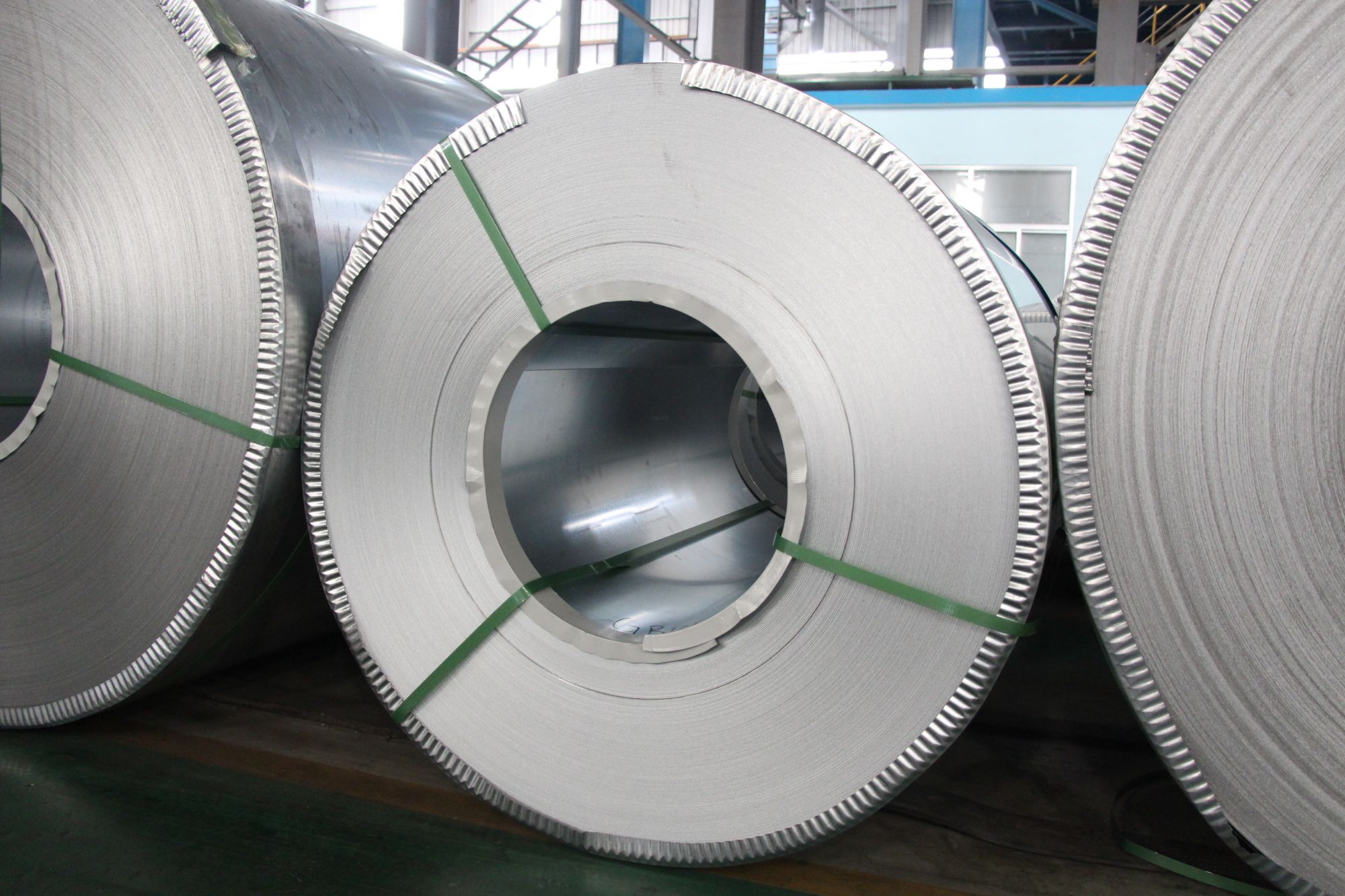
A heavier coating does not automatically mean a longer-lasting roof. The real story sits in how the coating weight interacts with the substrate gauge beneath it. Thicker steel can accept more coating without distorting, while thinner panels rely on a balanced zinc layer to avoid peeling or flaking under thermal movement. When these two measurements are matched thoughtfully, the roof tends to hold its appearance and corrosion resistance for decades rather than just a few years.
Life expectancy rarely comes down to a single number on a spec sheet. It emerges from the way the coating sacrifices itself slowly at cut edges and scratches, while the steel core continues to carry structural loads. A slightly higher coating mass can buy extra time in coastal or industrial air, but only if the gauge is stiff enough to prevent stress cracks from forming at fastener lines. Ignoring that relationship often leads to premature rust that starts small and spreads faster than anyone expects.
Field experience shows that roofs with a modest but even coating distribution over a correctly chosen gauge frequently outlast those with a thick, uneven application on under-specified steel. Builders who look beyond the headline warranty and check the actual coating weight per side, along with the base metal thickness, tend to see fewer callbacks. The difference shows up years later, when one roof still sheds water cleanly while its neighbor begins showing rust blooms along the laps and ribs.
Residential Profiles That Do Not Age Into an Industrial Look
The clearest sign that a residential profile will drift toward an industrial appearance is usually in its edges. Sharp, unbroken lines on window and door frames catch light too aggressively once the surface begins to dull, leaving behind the kind of flat, mechanical contrast you see on commercial cladding. A slightly rounded shoulder, a stepped shadow line, or a quiet bevel does more than soften the shape in year one. It changes how dirt settles, how water runs, and how the eye reads the frame after repeated weather cycles. Those small shifts in geometry keep the profile anchored in a domestic scale instead of letting it slide into something better suited to a loading bay.
Surface finish pulls a lot of weight as well. High-gloss coatings and pale metallic tones may look crisp on a sample, but they develop a cold sheen under overcast light and show scuffs unevenly. Matte and low-sheen surfaces with a fine texture hide those gradual marks without turning chalky. Warm neutrals, bronze tones, and deeper earth colors also hold their residential character longer than bright silver or stark white, especially where frames meet brick, timber, or render. That kind of surface absorbs daylight rather than throwing it back like a machine part.
Installation details matter just as much once the building starts to age. Profiles set slightly back from the facade, trim that overlaps the cladding, and concealed drainage all read as belonging to the house rather than bolted onto it. That relationship keeps the overall composition calm even when maintenance is imperfect. After a decade, the difference shows up in the wear itself, whether it reads as a lived-in home or an aging utility structure.
Where Commercial Roofs Get the Most From Galvalume
Galvalume roofs earn their keep in commercial settings where weather swings hard and maintenance budgets stay tight. The coating blends aluminum and zinc so the steel underneath gets a double shield: aluminum slows corrosion while zinc steps in at cut edges and scratches. That matters when a warehouse or retail center faces years of rain, snow, and coastal salt without a repaint cycle eating into operating costs.
Facility managers tend to notice the payoff most on large, low-slope expanses where heat and moisture linger. Galvalume's surface reflects more solar energy than darker bare steel, which keeps rooftop temperatures steadier and reduces the strain on HVAC systems during peak summer months. Fewer thermal swings also mean fewer expansion-related fasteners loosening over time, so the roof holds its details longer than conventional galvanized panels in side-by-side comparisons.
Where the material really separates itself is in long-run applications like distribution centers and self-storage buildings. The coating allows for precise, consistent adhesion across coil widths, so contractors can fabricate panels without worrying about flaking or uneven coverage at bends. That reliability shortens installation timelines and gives building owners a roof that doesn't quietly trade curb appeal for performance after the first decade.
Installation Details Most Roof Failures Can Be Traced Back To
Many roof problems get blamed on weather or defective materials, but a closer look at the installation usually tells a different story. The way flashing is folded, fastened, and layered around chimneys, skylights, and valleys determines whether water gets redirected or slowly invited into the decking. Small oversights such as setting nails too high on a shingle or reusing old flashing tend to show up years later as stains on the ceiling.
Another area where installation details matter is underlayment. If it is stretched too tight, wrinkled, or left exposed longer than it should be, the roof loses part of its last line of defense. Fastener placement also plays a larger role than most homeowners expect. Overdriven nails can tear through the mat, while underdriven ones sit proud and wear holes in the shingle above.
The difference between a roof that lasts twenty-five years and one that fails in twelve often comes down to how carefully the edges, terminations, and transitions were handled. Skilled crews know that a roof is only as good as its most vulnerable detail, not its largest field area.
What a Galvalume Finish Looks Like After It Weathers In
Fresh Galvalume has a bright, almost mirror-like silver surface with a visible spangle pattern. After it weathers in, that reflectivity drops away fairly quickly. Instead of a glossy sheet, you get a flatter, softer silver-gray tone that sits somewhere between aged pewter and a cloudy sky. It is not a defect; the surface is building a thin oxide layer that locks in long-term corrosion resistance.
The change usually starts on slopes that take the most sun and rain, so a south-facing roof panel may dull before the shaded side of the same building. For a while the finish can look uneven, with faint lighter and darker patches depending on how water runs across the surface and where dust settles. Those patches tend to blend together as the panel gets more exposure time.
After a few years the color settles into a consistent matte gray, often with a slightly chalky appearance up close but still clearly metallic from a distance. Compared to an unweathered panel placed beside it, the old surface looks quieter and more muted, but it keeps a clean, intact skin rather than developing the heavier white rust or deep gray streaks you might see on ordinary galvanized steel.
FAQ
Galvalume uses an aluminum-zinc alloy coating instead of pure zinc, so it resists rust creep at cut edges and scratches far better than standard galvanized steel. In practice that means fewer rusty streaks around fasteners and edge cuts, especially on roofs that see regular condensation or light scuffing.
The aluminum content gives it a strong defense against corrosion, but it is not completely invincible near saltwater. The biggest risk comes from contact with copper, treated lumber, or standing water that holds debris, so flashing details and drainage matter as much as the coating itself.
It suits both, but residential projects tend to look best with standing seam profiles and narrower panels. The finish has a softer, lower-contrast appearance than galvanized, which helps it blend with modern and traditional rooflines rather than reading as warehouse material.
Mostly keeping the surface free of leaves, construction debris, and anything that traps moisture. Beyond that, occasional checks of seams, fasteners, and roof penetrations catch small issues before they become leaks. Unpainted galvalume does not need repainting, but cut edges should be left exposed so the coating can do its work.
That depends more on panel profile and gauge than on the coating. A well-attached standing seam roof in a heavier gauge handles hail and wind far better than a thin corrugated panel. The coating itself protects against moisture after impact, which is the hidden advantage compared with painted steel that can start corroding once the paint cracks.
Bare galvalume reflects a good portion of solar radiation, so it tends to keep attics cooler than darker shingles or weathered galvanized. If you need maximum energy performance, look for a high-reflectance painted finish over a galvalume substrate rather than assuming every metallic roof performs the same.
Using the wrong fasteners, letting panels touch copper or treated wood, and cutting with tools that leave hot metal shavings on the surface are common killers. Panels also need room to expand and contract, so over-tightening clips or fasteners can cause oil canning, fastener fatigue, and leaks long before the coating wears out.
Thicker steel, ribbed or striated profiles, and proper storage before installation make the biggest difference. Panels that are handled carefully and installed over a straight, properly aligned roof deck are much less likely to show the broad waves that come from stress rather than material defects.
Conclusion
Galvalume holds up where ordinary galvanized steel tends to struggle, especially near salt spray or around livestock buildings where ammonia and humidity work together. The 55% aluminum-zinc alloy in the coating gives it a self-healing edge at cut lines and fasteners, while heavier coating weights and thicker substrate gauges push realistic service life well past the forty-year mark in many installations. For homes, the appeal goes beyond longevity: the right low-profile standing seam or ribbed panels settle into a soft, matte gray as they weather instead of turning industrial. That means a house can look established rather than like a warehouse after a decade. Choosing a profile with moderate rib height and hidden fasteners keeps the roofline cleaner without sacrificing the toughness that makes the material attractive in the first place.
Commercial work gets the most value from Galvalume when the roof system is treated as a complete assembly rather than just a panel purchase. Warehouses, processing plants, and agricultural structures benefit from the material's reflectivity and resistance to thermal movement, but the weak points are almost always laps, penetrations, and fastener placement. Most failures trace back to details that were rushed or overlooked during installation: missing sealant at side laps, screws driven off-angle, or insufficient slope for the profile. When installed correctly, a Galvalume roof weathers into an even, chalky gray with slight mottling that actually improves its resistance to staining and runoff streaking. That finish is not a defect to hide; it is the protective patina doing its job, and it tends to look better with age rather than worse.
Contact Us
Contact Person: Nia
Email: [email protected]
Tel/WhatsApp: +86 18954360337
Website: https://www.sdppgi.com