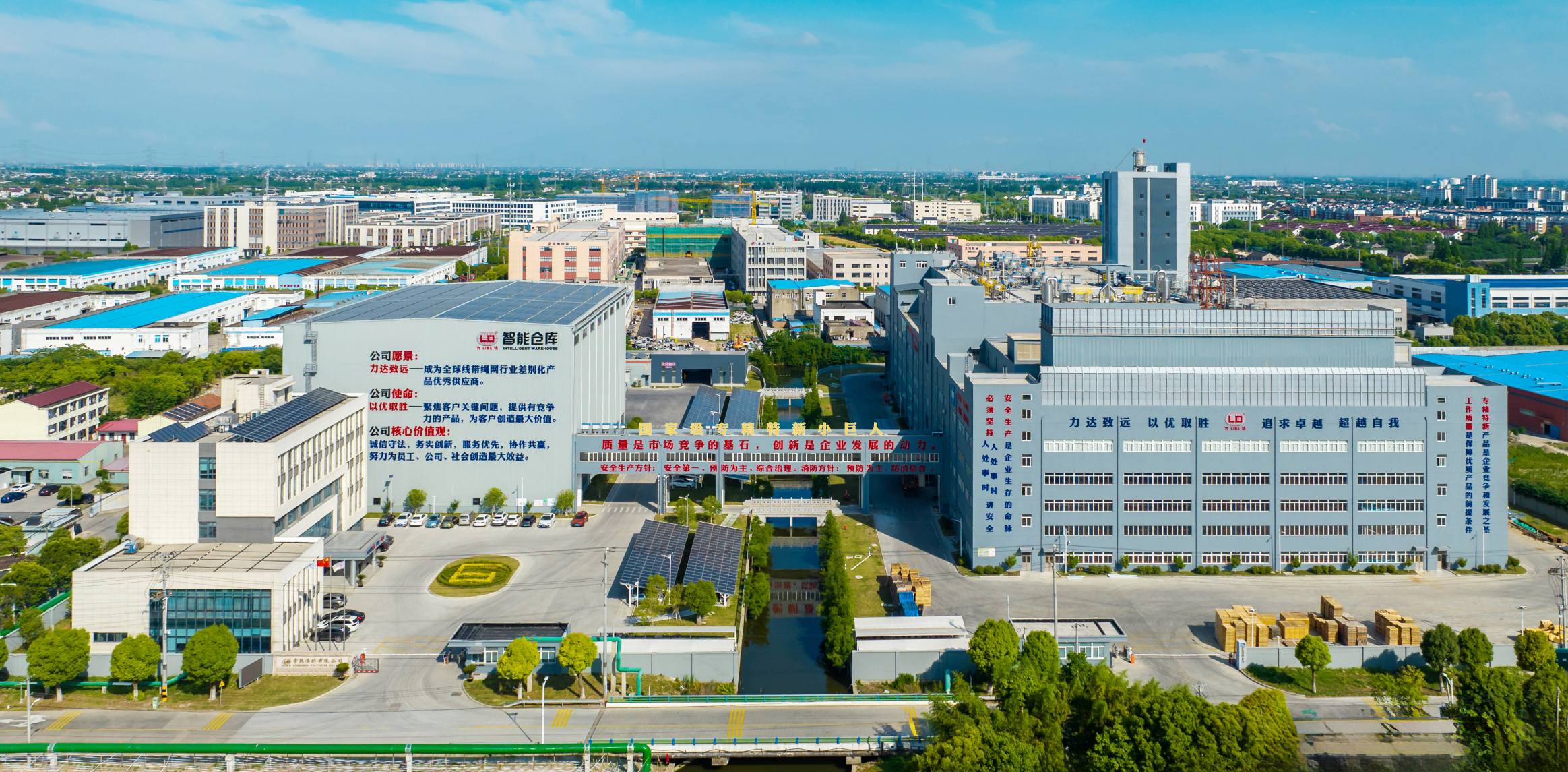

China High Tenacity Nylon 66 Filament Yarn: Properties, Applications, and Market Insights
2026-08-08
When it comes to high-performance materials, China's high tenacity nylon 66 filament yarn is making waves—and for good reason. Its remarkable strength, durability, and thermal resistance have made it a staple in everything from automotive textiles to heavy-duty industrial fabrics. But what truly sets this material apart in the global market? At the heart of this innovation is Changshu Polyester, a name synonymous with quality and consistency in synthetic yarns. As we dive into the properties, applications, and shifting market dynamics, you'll discover why this fiber isn't just a trend, but a cornerstone of modern manufacturing.
Unpacking the Strength: Key Properties of High Tenacity Nylon 66 Yarn
High tenacity nylon 66 yarn traces its exceptional robustness to a tight molecular arrangement coupled with strong hydrogen bonding between polymer chains. Unlike standard nylons, its manufacturing process involves precise drawing and heat-setting, which aligns the long-chain molecules along the fiber axis. This orientation dramatically boosts tensile strength—typically exceeding 8 grams per denier—while preserving just enough elongation to handle dynamic loads without sudden breakage.
Beyond raw tenacity, the yarn exhibits remarkable toughness, absorbing substantial energy before failure. It resists abrasion, flex fatigue, and chemical degradation, making it ideal for demanding applications like automotive airbags, industrial webbing, and high-performance ropes. Another defining characteristic is its thermal stability; nylon 66 maintains integrity at elevated temperatures where lesser materials would weaken. Moisture regain is moderate, so it retains strength when wet far better than many synthetics.
Engineers also prize its dimensional consistency—the yarn resists creep under constant load and shows minimal shrinkage in hot-wet environments when properly heat-set. Its fatigue resistance ensures long service life under cyclic stresses, a critical factor in conveyor belts and parachute harnesses. Combined with high melt point and inherent flame retardancy, these properties underscore why nylon 66 remains a go-to material when failure is not an option.
From Automotive to Outdoor Gear: Diverse Applications of Nylon 66 Filament
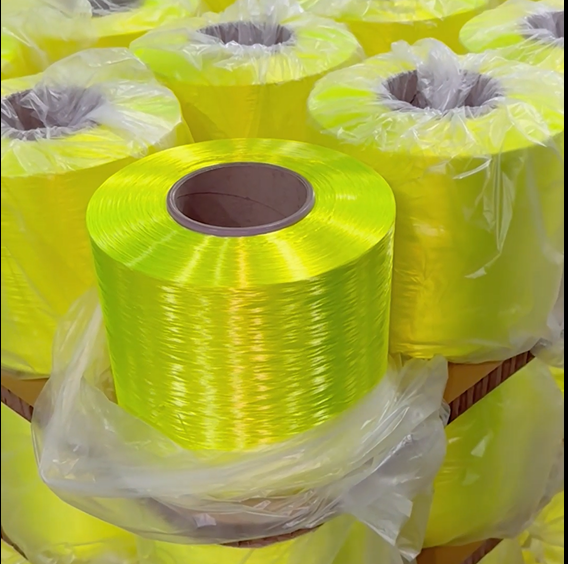
The versatility of nylon 66 filament is perhaps most dramatically illustrated by its journey from engine compartments to mountain peaks. In the automotive sector, its high heat deflection temperature and resistance to chemicals like coolants and oils make it an ideal candidate for under-the-hood components—radiator end tanks, air intake manifolds, and cable ties that hold wiring harnesses securely in place despite constant vibration and thermal cycling. Engineers rely on its fatigue endurance to create parts that last the lifetime of a vehicle without creeping or cracking, a quiet testament to the material’s mechanical backbone.
Step outside the factory floor and onto a trailhead, and that same nylon 66 filament takes on a completely different role. Here, its low moisture absorption relative to other nylons becomes critical; tent poles, backpack frames, and camping cookware handles stay dimensionally stable even after a downpour or a humid night. The subtle give in its stiffness allows gear to absorb shock without snapping—a ski binding component or a climbing cam that flexes just enough can prevent catastrophic failure. Outdoor brands often blend the filament with UV stabilizers, but the base polymer’s inherent toughness already provides a solid foundation for gear that gets scraped against rock and tossed into cargo holds.
Beyond these two extremes, nylon 66 filament threads its way into industrial tubing, sports equipment, and even medical device prototypes, proving that its real strength lies not in a single property but in a balanced profile. It doesn’t just survive rough handling or high heat; it does both while processing cleanly through 3D printers and injection molders alike. That ease of manufacturing, paired with a reliable performance envelope, is why you’ll find it equally at home in a pickup truck’s fuel line and a weekend warrior’s crampon straps.
China’s Position in the Global Nylon 66 Market: Trends and Drivers
China has emerged as a dominant force in the nylon 66 landscape, driven by rapid industrialization and an expansive manufacturing base. The country's consumption of nylon 66, particularly in engineering plastics and industrial yarns, now accounts for a substantial share of global demand. This growth is propelled by the automotive sector's shift toward lightweight materials, the relentless expansion of electronics manufacturing, and the modernization of textile machinery. As domestic production capacity for key intermediates like adiponitrile expands, China is gradually reducing its historical reliance on imports, reshaping global supply chains in the process.
Several underlying trends are reinforcing China's market position. A strong push toward electric vehicles has intensified the need for high-performance polymers in battery components and thermal management systems. At the same time, the rise of domestic appliance production and upgraded infrastructure projects continue to fuel steady demand. The market is also witnessing a strategic pivot toward specialty grades and recycled nylon 66, aligning with stricter environmental regulations and corporate sustainability commitments. These developments are not just strengthening China's self-sufficiency but are also allowing it to emerge as a competitive exporter of finished products.
Looking ahead, the drivers for China's nylon 66 market remain robust, though they are evolving. The economy's focus on high-end manufacturing will likely increase the use of engineered polyamides in robotics, aerospace, and medical devices. Furthermore, ongoing investments in bio-based feedstocks and circular economy models might alter the cost structure and appeal of nylon 66. While global economic uncertainties and raw material price volatility pose challenges, the depth of China's industrial ecosystem and its steady march up the value chain suggest that its influence over the global nylon 66 market will only deepen in the coming years.
How High Tenacity Nylon 66 Outperforms Standard Nylon Fibers
High tenacity nylon 66 differs from standard nylon fibers primarily in its molecular alignment and crystalline structure. During the spinning process, the polymer chains are stretched to a far greater degree, which forces them into a tightly packed, parallel arrangement. This enhanced orientation dramatically improves tensile strength and resistance to elongation under load. Where regular nylon may stretch or deform over time, this variant maintains its shape and integrity even when subjected to constant or sudden stress. The result is a fiber that can handle heavier working loads while retaining a leaner cross‑section—a quality that proves invaluable in weight‑sensitive applications like lightweight mountaineering ropes or paragliding lines.
Beyond raw strength, the outperformance becomes most evident in demanding environments. Standard nylon fibers tend to absorb moisture, which can lead to swelling, weakening, and a notable drop in modulus when wet. High tenacity nylon 66, while still hygroscopic, shows far less reduction in mechanical properties after exposure to water, humidity, or repeated wash cycles. Its abrasion endurance is also markedly higher, resisting the kind of surface fraying and internal fibrillation that quickly degrades ordinary filaments. This combination of wet strength retention and superior wear life makes it the go‑to material for safety harnesses, industrial slings, and heavy‑duty luggage fabrics—products where failure is simply not an option.
Manufacturing Advances: Quality Control in Chinese Nylon 66 Production
The shift toward automated inspection systems in Chinese Nylon 66 production has reshaped how manufacturers control consistency. High-speed cameras and laser-based sensors now scan every meter of extruded filament, flagging diameter deviations as subtle as 0.02 millimeters. This real-time feedback redirects melt pumps and draw ratios before substandard material accumulates, reducing off-spec batches that once plagued post-process sampling methods. Factories integrating these optical systems report a sharper decline in customer returns, particularly from automotive clients who demand flawless surface finishes for under-hood components.
Beyond mechanical monitoring, rheological testing has gained traction as a mid-process verification step. Portable capillary rheometers, placed directly at polymerization lines, measure shear viscosity within minutes instead of relying on delayed lab analyses. This approach catches molecular weight drift early, allowing immediate adjustments to amine‑end group ratios or polycondensation time. A notable advantage is the ability to differentiate between temporary moisture‑induced viscosity drops and genuine degradation, a subtlety that bulkier testing regimes often overlook. Several plants have combined this with predictive algorithms that forecast optimal additive loading, cutting antioxidant overuse by roughly 12% while preserving long-term thermal stability.
Cultural shifts in shop-floor accountability are equally subtle but impactful. Instead of centralized quality gates, operators receive handheld devices that display statistical process control data tailored to their station. Color-coded trends and simple anomaly alerts empower workers to halt production if pre‑agreed limits are breached, bypassing hierarchical delays. This autonomy is reinforced by morning huddles where machine‑specific defect patterns are reviewed, fostering a shared vocabulary around root causes like die lip buildup or irregular quench airflow. While still evolving, these practices reflect a broader move toward embedded quality mindsets, reducing the reliance on final‑stage spectrographic audits that cannot always catch latent inhomogeneities in high‑demand Nylon 66 grades.
Future Outlook: Sustainability and Innovation in Nylon 66 Filaments
The journey of nylon 66 filaments is entering a transformative phase where environmental responsibility and advanced engineering intersect. Manufacturers are increasingly turning to bio-based feedstocks, reducing reliance on petrochemicals without sacrificing the material's signature strength and heat resistance. These biochemical routes, coupled with closed-loop recycling systems, aim to give post-industrial and post-consumer waste a second life in high-performance textiles and industrial components. The ambition is to shrink the carbon footprint while preserving the durability that industries have relied on for decades.
On the innovation front, nanotechnology and smart manufacturing are reshaping what nylon 66 can do. Researchers are embedding conductive particles and phase-change materials directly into the filaments, creating yarns that can monitor strain, regulate temperature, or even harvest energy. These functionalized fibers are poised to move beyond niche applications, finding their way into everyday sportswear, automotive interiors, and medical devices. At the same time, advances in polymerization techniques are yielding filaments with higher tenacity and better dyeability, opening doors to lighter, more vibrant designs that still withstand brutal conditions.
Looking ahead, the convergence of circular economy principles and digital production methods will likely redefine the value chain. On-demand additive manufacturing with nylon 66 powders and filaments is already enabling decentralized, waste-minimizing production of custom parts. Meanwhile, blockchain-based traceability promises to verify sustainable sourcing and recycling credentials, fostering transparency from resin producers to end consumers. Rather than a single breakthrough, the future rests on a mosaic of incremental gains—each step making nylon 66 a more adaptable, accountable, and forward-looking material for a fast-evolving world.
FAQ
High tenacity nylon 66 filament yarn is a specialized type of polyamide fiber engineered for superior strength and durability. Compared to standard nylon, it offers significantly higher tensile strength, better abrasion resistance, and improved dimensional stability, making it ideal for demanding industrial and technical applications rather than everyday apparel.
Its standout features include exceptional tensile strength (often exceeding 9 grams per denier), high modulus for stiffness, excellent fatigue resistance under repeated loading, and low elongation under stress. These properties ensure that products like ropes, netting, and tire cords can withstand heavy loads and harsh conditions without breaking down.
You'll find it heavily utilized in the automotive sector for tire cord fabrics and airbags, in fishing and marine applications for ropes and nets, in construction for geotextiles, and in protective gear like ballistic fabrics and industrial belts. Its versatility also extends to conveyor belts and parachute harnesses.
China's dominance stems from its massive production capacity, integrated supply chains, and cost advantages in raw materials like adipic acid and hexamethylene diamine. Additionally, sustained investment in advanced spinning technologies and economies of scale allow Chinese manufacturers to produce consistent, high-quality yarn at competitive prices, fulfilling a large portion of global demand.
The melt spinning process, followed by hot drawing, is critical. By carefully controlling the draw ratio and temperature, the polymer chains are highly oriented and crystallized, which directly enhances strength and modulus. Chinese producers often utilize multi-stage drawing and relaxation steps to fine-tune tenacity, elongation, and shrinkage for specific end-uses.
Demand is being driven by the recovery of the automotive sector, increased infrastructure development, and a growing focus on lightweight, durable materials. There's also a noticeable shift toward sustainable practices, with some manufacturers exploring bio-based feedstocks and recycling technologies, although high tenacity grades still predominantly rely on virgin polymer.
While extremely strong, it can be susceptible to UV degradation and moisture absorption, which may affect dimensional stability in some applications. Proper finishing treatments and coatings are often needed. Also, the raw material supply chain can be volatile, with prices of intermediates fluctuating based on global oil and feedstock markets, impacting overall cost stability.
Conclusion
High tenacity Nylon 66 filament yarn stands out for its exceptional tensile strength, abrasion resistance, and thermal stability—attributes that make it the go-to choice in demanding applications where standard fibers would quickly fail. Unlike ordinary nylon, this advanced material retains its integrity under intense mechanical stress and high temperatures, which explains its growing adoption across industries. In automotive manufacturing, it reinforces tires, airbags, and under-the-hood components, while the outdoor sector relies on it for durable backpacks, ropes, and protective gear. Its ability to withstand repeated impact and harsh environmental conditions without significant degradation gives designers the freedom to create lighter, longer-lasting products that outperform those made with conventional materials.
China’s role in this market has expanded rapidly, driven by robust domestic demand, investments in advanced polymerization techniques, and a focus on quality control that meets international standards. Major producers have refined spinning and drawing processes to achieve higher tenacity and consistency, positioning the country as a key supplier for both regional and global brands. Market trends point toward a tightening supply of upstream caprolactam and a shift toward sustainable production, prompting Chinese manufacturers to explore bio-based feedstocks and recycling initiatives. Looking ahead, innovation will be centered on enhancing the yarn’s eco-profile and developing specialized grades for emerging uses such as lightweight composites and smart textiles, ensuring that high tenacity Nylon 66 remains a critical material in an increasingly performance-driven world.
Contact Us
Contact Person: CONNIE
Email: [email protected]
Tel/WhatsApp: 86-0512-53671634
Website: https://www.lida-yarn.com/