

China Municipal Sewage Chamber Filter Press: Essential Insights for Modern Wastewater Management
2026-08-03
Managing sludge in municipal wastewater treatment is no small feat, and the right equipment can make all the difference. The China municipal sewage chamber filter press has become a cornerstone of efficient dewatering, offering reliability and low moisture content that modern plants demand. But beyond the specs, it's the real-world performance and adaptability that set certain solutions apart. At Sinou, we've seen how innovative design tackles the toughest municipal challenges, turning a messy byproduct into manageable cake while cutting operational headaches. Whether you're upgrading an aging facility or planning a new one, understanding these presses isn't just technical—it's about seeing the bigger picture in resource recovery and cost control.
How Chamber Filter Presses Redefine Sludge Dewatering in Urban China
In the narrow utility corridors beneath China’s expanding cities, the shift toward chamber filter presses has turned sludge handling from a logistical burden into a quiet engineering advantage. Unlike traditional belt presses or centrifuges that demand constant operator tweaking and chemical pre-conditioning, these machines rely on high-pressure plate packs and automated cycles to squeeze out moisture with minimal human intervention. The result is a cake dry enough to be shoveled directly onto trucks, cutting transportation costs and eliminating the dripping, foul-smelling semi-solids that used to plague neighborhood transfer stations.
What truly sets them apart in the urban Chinese context is how they adapt to space constraints and seasonal load spikes. Modular plate stacks can be added or reconfigured inside existing concrete basins, avoiding the need for new building permits—a crucial factor in cities where every square meter of plant footprint is contested. During the summer monsoon months, when inflow volumes surge and organic content fluctuates wildly, the press’s programmable membrane squeeze adjusts in real time, maintaining cake consistency without flooding downstream processes. This flexibility has made them the default choice for district-level water reclamation centers that can’t afford downtime or oversized holding tanks.
Beyond the hardware, the redefinition also lies in the data feedback loop these presses enable. Integrated sensors track cloth blinding rates, hydraulic pressure anomalies, and cycle durations, feeding information back to a centralized SCADA system that plant managers can monitor from a smartphone. Instead of scheduling filter media replacement based on guesswork, maintenance crews receive alerts when resistance trends upward, extending cloth life by up to 30%. For a sprawling metropolis like Zhengzhou or Chengdu, where dozens of dewatering units operate across the city, this level of predictive control transforms sludge treatment from a reactive chore into a fine-tuned, resource-efficient operation that aligns squarely with the nation’s “sponge city” water management goals.
Inside the Mechanics: Why Plate Design and Filtration Cycles Matter
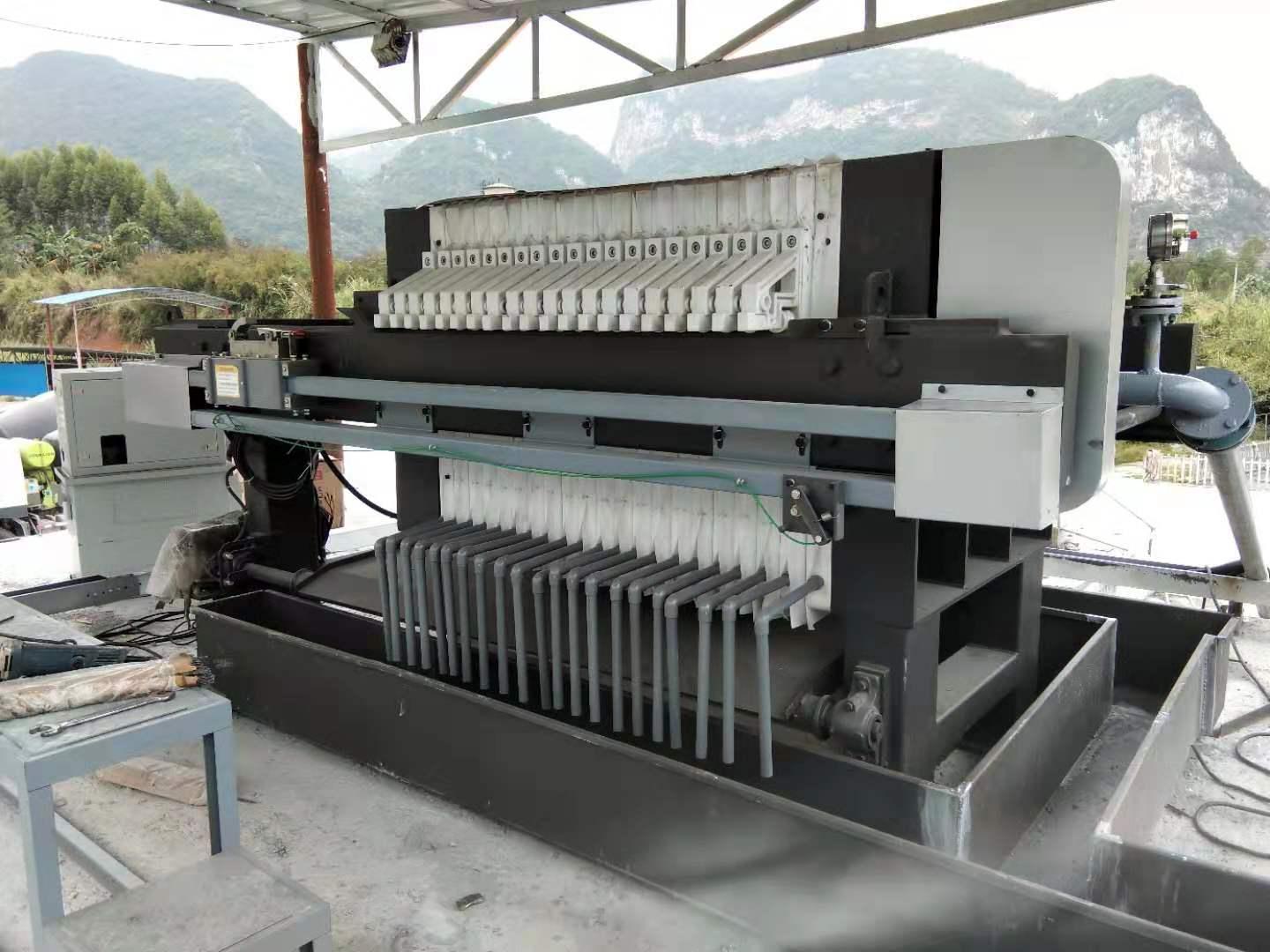
The heart of any filtration system lies in the interplay between plate design and the rhythm of its cycles. It's not just about passing liquid through a barrier—it's about how the plates distribute flow, capture solids, and release clean output without clogging or uneven wear. A well-thought-out plate geometry can dramatically reduce downtime, while a poorly designed one turns maintenance into a constant headache.
Filtration cycles, on the other hand, dictate the operational tempo. Too short, and you waste resources with incomplete separation; too long, and you risk compacting materials into a stubborn layer that resists cleaning. The sweet spot emerges when plate configuration and cycle timing align, balancing throughput with longevity. This synergy often gets overlooked, but it's what separates a machine that merely filters from one that performs consistently under real-world pressure.
Tackling Operational Hurdles with Smarter Feed Systems
Keeping feed systems running smoothly demands more than routine checks. Unplanned downtime often stems from overlooked variables like inconsistent material flow or component wear that standard monitoring misses. By integrating adaptive sensors that track real-time torque, vibration, and throughput, operators can spot subtle deviations before they snowball into costly stoppages. This proactive approach shifts the focus from reactive fixes to continuous tuning, trimming both waste and idle hours.
Another layer of complexity arises when feed accuracy fluctuates under shifting loads or ambient conditions. Rather than relying on fixed speed profiles, smarter systems now adjust on the fly—modulating auger rotation or belt tension based on immediate demand. This dynamic response not only stabilizes output quality but also lightens the strain on mechanical parts, extending their service life without manual intervention.
Maintenance teams often grapple with fragmented data logs that make root-cause analysis a guessing game. Modern feed setups consolidate operational signals into a unified dashboard, highlighting correlations like temperature spikes leading to blockages. Armed with these insights, crews can prioritize targeted inspections and swap parts at the optimal moment, sidestepping the old cycle of emergency repairs and unplanned budgets.
From Cost Center to Resource Recovery: The Value Shift in Wastewater Plants
For decades, wastewater treatment plants were viewed almost exclusively as a necessary expense—a cost center that municipalities and industries had to fund to meet environmental regulations. The primary focus was on removing pollutants to comply with discharge permits, with little thought given to the potential value locked in the water, nutrients, and energy passing through the facility. Budgets were allocated to maintain aging infrastructure, buy chemicals, and pay for electricity, and any talk of profitability was met with skepticism. The notion that a treatment plant could become a generator of revenue, rather than a drain on resources, was largely absent from utility planning and public perception.
That mindset is shifting as technology, resource scarcity, and economic pressures combine to reframe the role of wastewater facilities. Advanced treatment processes now allow for the extraction of reusable water for agriculture or industry, the recovery of phosphorus and nitrogen as fertilizers, and the capture of biogas from sludge digestion to generate heat and electricity. Some plants are even exploring the production of bioplastics or single-cell proteins. This transformation turns an obligation into an opportunity: instead of merely protecting the environment from waste, these facilities are becoming hubs of resource recovery, feeding circular economy loops and providing new revenue streams that can offset operational costs and stabilize rates.
The real value shift, however, goes beyond technology. It requires a change in organizational culture, partnerships with agriculture and energy sectors, and supportive regulatory frameworks that incentivize resource recovery rather than just pollution abatement. When a wastewater plant starts selling reclaimed water to a nearby factory or delivering compost to local farms, it becomes an integral part of the community's resource network. This evolution challenges engineers, operators, and utility managers to think like resource brokers, not just treatment providers. The once-humble sewage works is being reimagined as a water resource recovery facility, signaling a profound change in how we value and manage one of society's most overlooked assets.
Real-World Results: Efficiency Gains in Municipal Projects
After digitizing its public works permit system, a mid-sized city saw application turnaround times drop from an average of 21 business days to just under 5. The shift eliminated physical paperwork bottlenecks and allowed field inspectors to upload reports on-site, triggering instant back-office updates. This cut the administrative overhead so sharply that staff could redirect nearly 400 hours per month toward proactive infrastructure assessments instead of reactive data entry.
Another municipality restructured its contractor onboarding process using a unified vendor portal. By removing duplicate approvals and automating compliance checks against state databases, the procurement cycle for standard road repairs shrunk by over 60%. More importantly, the number of bid protests fell by half since the transparent, real-time tracking left no ambiguity about evaluation criteria or submission timelines.
Resource-sharing agreements across neighboring jurisdictions further amplified efficiency gains. When three counties pooled their heavy equipment and operator schedules on a shared digital platform, asset utilization rates climbed from roughly 45% to nearly 80% during the summer construction season. Joint scheduling avoided the common scenario where expensive machines sat idle in one yard while another town rented identical equipment from private vendors.
Navigating the Next Wave of Automation and Regulation
As businesses race to adopt intelligent systems, a new reality is setting in: the tools are evolving faster than the frameworks meant to govern them. The challenge isn't merely technical—it's about understanding where machine decisions intersect with human accountability. Companies are discovering that the most sophisticated automation still requires a clear chain of responsibility, especially when algorithms influence hiring, lending, or medical advice. Those who treat compliance as an afterthought risk not just fines but a deeper erosion of trust that no amount of efficiency can repair.
The regulatory landscape is no longer a distant rumble; it's a shifting terrain that demands constant attention. From regional mandates on data usage to emerging standards for algorithmic transparency, the rules are becoming more granular and interconnected. Savvy organizations are moving beyond checkbox exercises, embedding governance into the design phase of new tools. They're building cross-functional teams where legal experts sit alongside engineers, ensuring that innovation doesn't outpace ethical boundaries. This proactive stance isn't about stifling progress—it's about creating guardrails that keep automation aligned with societal values while still allowing room for experimentation.
Ultimately, the next wave will belong to those who see regulation not as a obstacle but as a catalyst for better design. When automated systems are built with transparency and fairness baked in, they become more resilient to scrutiny and more adaptable to change. The winners will be the ones who treat every algorithm update as an opportunity to strengthen trust, recognizing that in a world of increasing complexity, the most valuable currency isn't speed—it's confidence in the systems we rely on every day.
FAQ
A chamber filter press is a mechanical device that separates solids from liquids using pressure-driven filtration. In municipal sewage, it typically dewaters sludge after biological treatment, turning a slurry into dry filter cakes and clear filtrate. The 'chamber' design uses a series of recessed plates that form sealed chambers when pressed together, making it particularly effective for high-solid slurries common in city wastewater plants.
China's rapid urbanization created massive volumes of sludge that need cost-effective dewatering. Chamber presses offer high dryness, reliability, and adaptability to varying sludge types. Domestic manufacturing scaled up quickly, bringing costs down significantly. Also, strict environmental regulations on sludge disposal have pushed plants to adopt presses that achieve higher cake solids, reducing transport and landfill costs.
First, sludge is pumped into the chambers between filter plates. A feed pump builds pressure, forcing liquid through the filter cloth while solids accumulate inside the chambers. Once the chambers are full, a high-pressure membrane may squeeze the cakes further. Then plates are separated, and the dry cakes drop out. The entire cycle is automated with PLC controls, and many modern units include automatic cloth washing systems to maintain efficiency.
Chamber presses generally produce the driest cakes—often 30–50% solids, compared to 15–25% for belt presses. They handle fine particles and oily sludges better, require less polymer, and have lower energy consumption. Maintenance is simpler, with no high-speed rotating parts. However, they operate in batch cycles and need more operator attention during cake discharge, though newer models are increasingly automated.
Critical factors include sludge characteristics (organic content, fiber, abrasiveness), desired cake dryness for disposal, daily volume to process, available space, and budget. Plate size, number of plates, and filtration area directly affect throughput. Also consider automation level, cloth material (polypropylene for most municipal sludge), and safety features like light curtains. Local manufacturer support and spare parts availability are essential in China.
Recent advances include IoT-enabled real-time monitoring of pressure, moisture, and cycle times, which optimizes performance and predicts maintenance. Membrane squeeze technology now achieves even higher dryness with less time. Automated plate shifters, drip trays, and cloth washing reduce labor. Some plants integrate the press with thermal drying or incineration systems. Eco-friendly designs also focus on recovering phosphorus from the filtrate.
Regular inspection and timely replacement of filter cloths is crucial, as blind spots, tears, or clogging reduce efficiency. Hydraulic systems need clean oil and leak checks. Plate pack alignment and sealing surfaces must be kept clean to prevent blowouts. Operators should monitor pump pressure and cycle times to detect anomalies. Many Chinese plants now use predictive maintenance based on data analytics to schedule downtime before failures occur.
The batch nature can be a drawback for very large continuous flows, sometimes requiring multiple presses with staggered cycles. Cake discharge can be sticky with certain sludges, requiring extra attention. Initial footprint is larger than centrifuges. Also, handling and disposal of the resulting cake—especially if it contains heavy metals or pathogens—still requires careful management according to local regulations, which in China are becoming increasingly strict.
Conclusion
China's urban wastewater sector is undergoing a quiet revolution, driven by the growing adoption of chamber filter presses. These machines are no longer just brute-force dewatering tools—they now form the backbone of sophisticated sludge management strategies. By applying controllable pressure through carefully engineered plate designs and optimized filtration cycles, modern filter presses achieve cake solids concentrations that were once unthinkable, directly cutting transport and disposal costs. The heart of this leap lies in details: recessed chamber profiles that encourage uniform cake buildup, membrane squeeze options for extra dryness, and rapid cycle automation that keeps throughput high. Equally critical is the way smarter feed systems—using progressive cavity pumps and real-time monitoring—have ironed out historical hiccups like clogging, uneven filling, and cloth blinding. These advancements mean municipalities can reliably handle the variable sludges from China's multiplying treatment plants without constant operator intervention.
Beyond more solid waste, the bigger story is a shift in mindset. Where sludge was once a costly headache, plants now view it as a resource stream. Dewatering to above 40% dry solids opens the door to incineration with energy recovery or co-processing in cement kilns, turning a disposal liability into a revenue generator. Real-world projects in cities like Shenzhen and Nantong have documented efficiency gains—lower polymer dosage, less frequent filter cloth changes, and energy savings that repay capital investments within a few years. All this happens against a backdrop of tightening environmental regulations and a push for Industry 4.0-style automation. Sensors that predict cake release timing, cloud-based dashboards for remote supervision, and algorithms that adjust cycle parameters for changing sludge loads are already entering the market. For China's municipal managers, the chamber filter press is no longer just a piece of equipment; it's a linchpin in a smarter, cleaner, and more circular urban water future.
Contact Us
Contact Person: HaiYan
Email: [email protected]
Tel/WhatsApp: +86 18957325588
Website: https://www.senyoubeton.com/