

China Vacuum Casting Services Supplier for Cost-Effective Polyurethane Prototypes
2026-08-19
When prototyping polyurethane parts, finding a China vacuum casting services supplier that balances cost and quality often feels like chasing a moving target. ProtoMat changed that calculation by making cost-effective polyurethane prototypes practical without hidden trade-offs. In this guide, we will explore what separates reliable suppliers from the rest and why the right partner matters more than a low quote.
From CAD File to Functional Part: How China Vacuum Casting Cuts Prototype Lead Times
Once the CAD design is locked, traditional injection molding can stall a project for weeks while steel tooling is cut and tested. China vacuum casting removes that bottleneck by using the CAD file to 3D print a master pattern, then curing a silicone mold around it. The mold is typically ready within one to two days, and from that point functional polyurethane parts can be pulled in a matter of hours, not weeks.
The parts produced this way are not just visual mockups. By selecting the right polyurethane resin, engineers can match production-like properties such as shore hardness, impact resistance, flame retardancy, and even specific Pantone colors or surface textures. The silicone mold handles complex geometries, living hinges, snap features, and undercuts, so the team gets realistic feedback on fit and function before committing to expensive hard tooling. Small runs of ten to fifty units are typical, which fits validation testing without excess inventory.
A typical sequence—upload the CAD file, approve the master pattern, pour the silicone mold, and cast the first parts—can be compressed into five to seven business days. In contrast, rapid injection molding often takes three to six weeks, and full production tooling can take even longer. Chinese suppliers frequently run these steps in parallel: CNC machining of the master and silicone curing overlap, and multiple molds can be produced from one CAD data set to speed up multi-component prototypes or bridge tooling needs.
Breaking Down the Real Cost per Part in Polyurethane Vacuum Casting
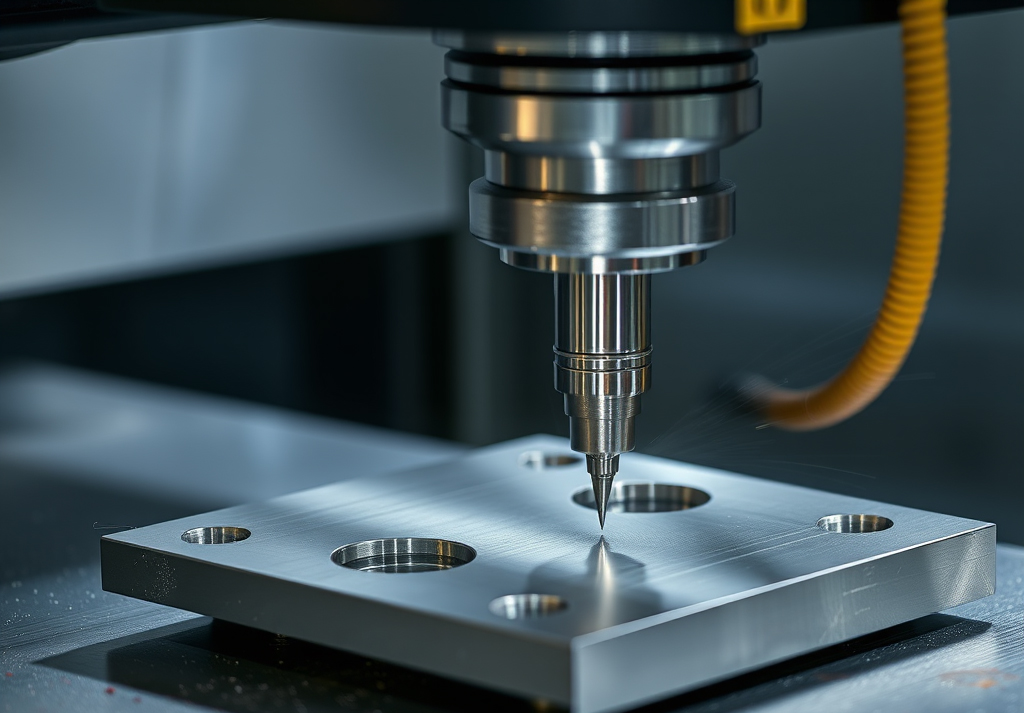
If you’re comparing vacuum casting quotes, the stated “per part” price rarely tells the whole story. The silicone mold is a one-time expense that gets spread across however many parts you actually pull from it. On a run of 10 units, that mold can easily account for more than half of the total cost per part. On a run of 50 or 100, it fades into the background, and the real drivers become material consumption, labor for hand pouring and degassing, and the time needed to trim flash and sand parting lines.
Resin choice matters more than most designers expect. A standard ABS-like polyurethane might run a few dollars per kilogram, but filled, flame-retardant, or optically clear grades can triple that figure. Then you have to add in finishing time: every cast part needs sprue removal, sanding, and usually a primer or paint pass to hide surface imperfections. Shops rarely break these out in quotes, but they’re baked into the per-unit price. Rework from air bubbles or incomplete fills also sneaks in—especially on complex geometries with thin ribs or deep bosses.
A more honest way to evaluate cost is to ask for a total price at your expected quantity, including mold, materials, finishing, and any expected scrap. If one supplier quotes $18 per part at 20 units and another quotes $15 at 20 units but excludes secondary finishing, the cheaper quote may end up costing more after you pay for painting or assembly elsewhere. For anything under 30 parts, don’t optimize for resin price; optimize for a shop that has already made similar geometry and can avoid costly trial molds.
Matching Polyurethane Shore Hardness to Your Prototype’s End-Use Requirements
Choosing the right Shore hardness for polyurethane prototypes isn't just about picking a number from a datasheet. It hinges on how the part will actually behave when squeezed, stretched, or slammed into service. A wheel that lives outdoors on rough concrete needs a different durometer than a vibration-damping bushing inside a quiet lab instrument. If you chase a high Shore A value for impact resistance without considering rebound or tear strength, you might end up with a part that feels like a hockey puck when the application called for something closer to a pencil eraser.
Prototyping gives you room to test these trade-offs before committing to production tooling. Cast polyurethane allows for durometer tweaks between A20 and D80, so you can mold a few variants and feel how each one deflects under load, grips a mating surface, or recovers after compression. Rather than defaulting to “harder is better,” match the hardness to the most demanding end-use condition: a gasket that must seal under low clamping force will fail at Shore A95 but may work splendidly at A50. The prototype stage is when you discover whether that soft-touch overmold actually returns to shape after thousands of cycles or slowly takes a permanent set.
Keep in mind that polyurethane hardness isn't a static property. Temperature swings, chemical exposure, and dynamic loading can shift effective stiffness in ways that a simple Shore reading won't predict. A part that feels perfect at room temperature might turn brittle in a cold warehouse or get mushy near a heat source. For prototypes destined for demanding environments, consider testing at the extremes you expect in the field. This approach turns Shore hardness from an abstract spec into a design tool that shapes the prototype's feel, durability, and fit for the job it has to do.
Surface Finishes and Post-Processing Options That Make Cast Parts Look Production-Ready
Cast parts rarely leave the mold looking anything close to finished. Mold parting lines, subtle flash, and a dull oxide skin are all part of the process. The trick isn't a single magic step—it's layering the right surface treatments for the alloy and the final use. Media blasting with glass bead or aluminum oxide gives a uniform matte base and knocks down minor surface defects, but the grit size and pressure need to match the material: fine beads for softer aluminum, a more aggressive media for steel. After blasting, hand sanding high-touch edges or running small parts through vibratory finishing removes the last traces of roughness.
When the part needs color or extra durability, chemical and coating choices make a big difference. Anodizing adds hardness to aluminum and can produce rich colors, but high silicon content in some casting alloys can turn the finish gray or blotchy; a quick chemical polish or acid etch beforehand usually fixes this. Powder coating hides small surface imperfections well, yet it can soften tight details if applied too thick. For metallic sheen without bulk, electroless nickel or chrome plating works, though it changes dimensions enough that critical bores and threads should be masked or re-machined after coating.
The real production-ready look often comes from a sequence, not a single process. Deburring first, then a medium polish, then a clear coat can turn a raw casting into something that feels machined and intentional. Order matters more than most people expect: some coatings key better into a slightly rough surface, while blasting after polishing will destroy a mirror finish. Before committing to a batch, run a small sample through the entire planned sequence and record the surface finish and dimensional shift at each stage—that's the only reliable way to avoid surprises.
Low-Volume Trial Runs: When Vacuum Casting Beats 3D Printing for Functional Testing
For functional trials that involve snap fits, living hinges, or sealing surfaces, a 3D-printed part can mislead you before you even start. FDM layers create weak spots along the Z-axis, and resin prints may feel rigid but shatter under repeated load. Vacuum casting pulls polyurethane into a silicone mold without those directional weaknesses, so the prototype flexes, clips, and seals more like an injection-molded production piece.
The difference shows up quickly in low-volume runs. Printing ten identical housings means ten rounds of support removal, sanding, and praying the tolerances hold after post-curing. A single master pattern can produce ten cast parts that share the same shrink rate and surface texture, which makes assembly testing less of a guess. You also get to pick from a broad range of shore hardnesses, something most desktop printers cannot match when you need a gasket-like overmold or a soft-touch grip.
Cost is the quieter advantage. Once the mold exists, each additional cast part costs a fraction of the machine time and labor a printed part demands, especially when you factor in failed builds and reprints. For a thirty-piece pilot batch that will be handled by real users, vacuum casting often gives you data you can trust without committing to steel tooling.
Common Oversights When Auditing a China-Based Vacuum Casting Supplier
Many buyers focus only on sample approval rates and quoted prices, yet overlook whether the supplier truly understands batch stability of polyurethane materials in vacuum casting. Some workshops quietly blend different hardness grades or regrind scrap resin, causing performance drift between prototype samples and later production runs. During an audit, request raw material purchase records, shelf-life logs, and the actual weighing procedure at the mixing station—not just the certificates the supplier hands over.
Another frequently skipped area is the real control record for vacuum level and pouring temperature. A gauge on the machine may read normal while operators manually override valves or shorten degassing time based on habit, leading to micro-porosity inside cast parts. Pull at least three production logs from different dates, then cross-check vacuum pump maintenance records and mold temperature sensor calibration dates. This is how you uncover hidden process drift that a spot check will miss.
Dimensional reports often show only final accepted parts, hiding the effect of trimming and secondary finishing on geometry. Vacuum cast parts typically require manual gate removal and parting line sanding after demolding, which changes local wall thickness and flatness on mating surfaces. If the supplier does not include post-processing in first article and in-process inspection, even a sound raw casting can cause interference or excessive gap during assembly. Pay close attention to the work instructions at the finishing station and whether the actual measurement points align with critical dimensions on the drawing.
FAQ
Vacuum casting starts with a master pattern, usually 3D printed or CNC machined, which gets embedded in liquid silicone to form a mold. After curing, the mold is cut open and the master removed. Polyurethane resin is then poured into the mold cavity under vacuum, which pulls out trapped air and lets the material fill fine details. Once cured, you get a close replica of the master with a smooth surface and accurate dimensions.
Chinese suppliers often have lower labor and material costs, which translates into more affordable parts without sacrificing quality. Many of them have years of experience serving overseas clients and can handle small-batch production, custom finishes, and fast turnaround. The time zone difference can actually work in your favor—you send files at the end of your day and wake up to updated quotes or progress photos.
You can choose from a wide range of polyurethane grades that mimic ABS, PP, PC, rubber, and even clear glass-like materials. Hardness can vary from Shore A 20 for flexible parts up to Shore D 85 for rigid components. Color matching is possible with pigments, and some resins offer UV stability, flame retardancy, or food-contact compliance depending on your needs.
A single silicone mold typically lasts for about 15 to 25 casts, depending on part geometry, resin aggressiveness, and surface detail. If you need more than 30 pieces, it's usually better to make multiple molds or switch to low-volume injection molding. The mold itself can be stored and reused later if the same part is ordered again.
Most suppliers can turn around a batch of 10 to 20 parts within 5 to 10 business days after the master pattern is approved. Express services can cut that to 3 or 4 days for simpler geometries. Keep in mind that shipping from China adds 3 to 7 days depending on the courier, so plan your project schedule accordingly.
Vacuum casting gives you better surface finish and material properties than most 3D printing, especially for rubber-like or transparent parts. Unlike CNC machining, it can produce complex undercuts and organic shapes without tooling restrictions. However, it requires a master pattern first, so for one-off quick checks, 3D printing may be faster. For a small batch of functional prototypes that look and feel like final products, vacuum casting is often the best value.
You'll need a 3D CAD file in STEP, IGES, or STL format, plus details about the desired quantity, material hardness or target plastic, color, and any surface finish requirements like painting or texture. If you already have a master pattern, mention its material and condition. Clear drawings with tolerances and critical dimensions help avoid miscommunication.
Medical device developers use it for ergonomic enclosures, automotive teams for dashboard prototypes and lighting lenses, consumer electronics brands for phone cases and wearable devices, and industrial designers for household products. It's also popular for pre-production functional testing, trade show models, and short-run replacement parts.
Conclusion
Getting from a CAD file to a functional polyurethane prototype no longer needs to eat weeks of your schedule. Working with a China vacuum casting supplier often trims lead times to just a handful of days, especially once the silicone mold is ready. The real advantage shows up in cost per part: for runs under a few dozen units, the math almost always beats CNC machining or injection molding, because you skip steel tooling entirely. But cost is not the only lever. Matching the polyurethane shore hardness to what the final part will actually face, whether that is a flexible gasket or a rigid housing, turns a rough concept into a part you can test with confidence. Many shops keep a library of resins spanning 20A to 90D, so you are not locked into one feel.
Surface finishes matter more than most teams expect. A quick pass with vapor polishing or a light texture can make a cast part look like it came off a production line, and post-processing options like painting, EMI shielding, or threaded inserts bring it even closer to end-use. For low-volume trial runs, vacuum casting often beats 3D printing when you need isotropic strength, consistent color, or a surface without visible layer lines. That said, auditing a China-based supplier still trips up plenty of buyers. Check whether they actually control humidity and temperature in the casting room, how they document resin lot numbers, and whether their silicone molds are made in-house or subcontracted. Small gaps there quietly eat into the very cost advantage you came for.
Contact Us
Contact Person: Joe
Email: [email protected]
Tel/WhatsApp: +8613799507208
Website: https://www.3dprotomat.com/