

China Wastewater System: Smart Innovations Transforming Urban Water Management
2026-08-06
As urban populations soar and water scarcity looms, China is redefining wastewater management with cutting-edge smart innovations. From AI-driven treatment plants to real-time monitoring networks, these advances are turning a once-overlooked sector into a model of efficiency and sustainability. Central to this transformation is Sinou, a pioneer whose integrated solutions are reshaping how cities handle water. How is technology rewriting the rules of urban sanitation—and what can the world learn from China’s rapid evolution? Dive into the future of wastewater systems, where intelligence meets resilience.
Smart Sewer Sensors: Catching Pollution at the Source
Ever wonder how cities keep rivers clean without chasing every suspicious pipe? These small devices sit right inside sewer lines, sniffing out trouble the moment it appears. Instead of waiting for a spill to show up downstream, they catch chemicals, oils, and waste surges where they start—giving crews a real shot at stopping damage before it spreads.
The sensors work around the clock, measuring things like pH, temperature, and unusual flow patterns. If a factory dumps something nasty at 3 a.m., the system flags the change in seconds, not days. That kind of speed means fewer beach closures, lower cleanup costs, and a much harder time for polluters who think they won't get caught in the dark.
What makes them truly clever is how they blend into everyday infrastructure. No extra construction or massive power lines—just a smart upgrade that turns old pipes into a real-time warning network. It's like giving the sewer system a sense of smell, turning it from a passive drain into an active guardian of the water we all share.
AI-Powered Treatment: How Machines Clean China’s Wastewater
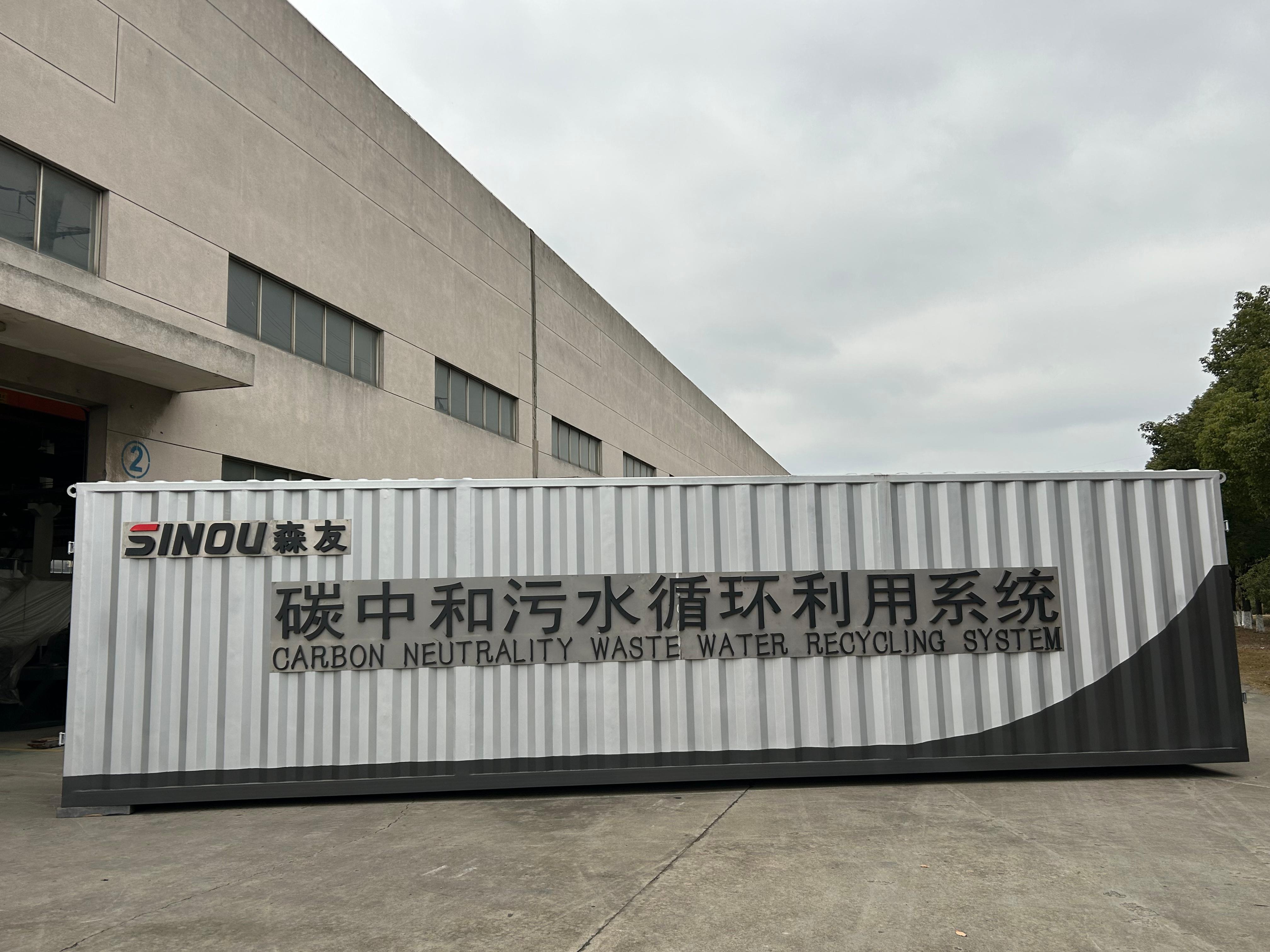
Across China, a quiet revolution is reshaping how wastewater is managed, with artificial intelligence at its core. In treatment plants that once relied heavily on manual monitoring and fixed schedules, machine learning models now analyze vast streams of real-time data—from flow rates and chemical oxygen demand to microbial activity. These systems adjust aeration, chemical dosing, and sludge handling on the fly, often predicting incoming load variations hours in advance. The result is a process that not only meets strict discharge standards but does so with significantly lower energy consumption, as pumps and blowers run only when needed, guided by algorithms that learn from each cycle.
The shift goes beyond efficiency. In cities like Hangzhou and Shenzhen, AI-powered platforms integrate data from thousands of sensors across the sewer network, allowing operators to spot anomalies—such as illegal industrial discharges or pipe blockages—within minutes. Computer vision systems, originally developed for quality control in manufacturing, have been retrained to identify filamentous bacteria and sludge bulking in microscopic images, giving early warnings that prevent system upsets. Meanwhile, natural language processing tools scan maintenance logs and operator notes to detect recurring issues before they escalate, turning decades of handwritten records into a searchable knowledge base.
Perhaps most striking is how these technologies democratize expertise. Smaller county-level plants, often lacking seasoned engineers, can now tap into cloud-based AI services that offer decision support comparable to the best-run metropolitan facilities. The machines are not replacing human judgement but augmenting it, handling the deluge of data so that operators can focus on strategic tasks. As China pushes to upgrade its water infrastructure under the “sponge city” and ecological civilization banners, AI-driven treatment is becoming a blueprint for a future where clean water is reclaimed with minimal waste and maximal intelligence.
Sponge Cities in Action: Using Nature to Manage Urban Runoff
Across the globe, cities are embracing a quiet revolution in water management. Instead of relying solely on concrete drains and pipes, they are weaving wetlands, rain gardens, and green roofs into the urban fabric. These nature-based solutions absorb rainfall where it falls, reducing the gush of runoff that often overwhelms sewers and pollutes waterways. By restoring the landscape's ability to soak up water like a sponge, communities are not only curbing floods but also creating cooler, greener, and more livable neighborhoods.
The elegance of the sponge city approach lies in its versatility. In Berlin, a new residential area routes stormwater through vegetated swales and ponds, turning runoff into a visual amenity rather than a hidden nuisance. Meanwhile, Philadelphia’s Green City, Clean Waters program has transformed hundreds of impervious lots into pocket parks that capture millions of gallons each storm. These interventions often cost less than expanding traditional gray infrastructure and deliver co-benefits: habitat for pollinators, playful spaces for children, and a sense of connection to the natural world, even downtown.
Implementation is not without hurdles. Tight urban soils, space constraints, and maintenance needs demand thoughtful design and long-term commitment. Yet the growing frequency of extreme rainfall events makes the case compelling. When a sponge city works as intended, streets stay passable during downpours, rivers run clearer, and the city breathes easier—proof that working with water, rather than against it, is not just practical but profoundly wise.
Energy from Sludge: Turning Waste into Power
Sludge, often viewed as a problematic byproduct of wastewater treatment, holds untapped potential as a renewable energy source. Through processes like anaerobic digestion, microorganisms break down organic matter in the absence of oxygen, producing biogas rich in methane. This biogas can be captured and used to generate electricity and heat, effectively transforming a disposal challenge into a valuable power stream. The approach not only reduces the volume of waste sent to landfills but also cuts greenhouse gas emissions by preventing methane from escaping into the atmosphere.
Beyond biogas, advanced thermal conversion technologies such as pyrolysis and gasification offer another pathway. These methods heat sludge to high temperatures in controlled environments, converting it into syngas or bio-oil, which can fuel engines or be refined into higher-value products. The solid residue, often called biochar, can improve soil quality or sequester carbon, adding a circular economy dimension. By integrating these systems, treatment plants can evolve from energy consumers into net energy producers, offsetting operational costs.
Innovators are also exploring microbial fuel cells that directly generate electricity from the electron flow created by bacteria digesting sludge. While still largely experimental, these systems hint at a future where waste-to-energy becomes more direct and efficient. The real-world success hinges on local factors like sludge composition, scale, and existing infrastructure, but the trend is clear: what was once mere refuse is increasingly being reimagined as a resource that keeps the lights on.
Predictive Analytics: Stopping Pipe Bursts Before They Flood Streets
A quiet shift is underway beneath city streets, where algorithms now listen for the faintest whispers of failing infrastructure. Instead of reacting to geysers erupting from asphalt, utilities are feeding decades of pressure readings, soil composition maps, and even traffic vibration data into models that learn the language of weakness. These systems don't just flag a pipe with thinning walls—they calculate the probability that it will blow during the next temperature swing, giving crews a narrow window to intervene.
The real magic happens in the fusion of disparate data streams. A pipe that survived a century might finally buckle not from age alone, but from a perfect storm of drought-shrunken clay, a bus route reroute, and a subtle pressure surge at 3 AM. Predictive tools tease out these hidden correlations, often surfacing risks that veteran engineers dismiss as ghosts. One utility found that blocks with newly planted trees were suddenly at higher risk years later, as roots grew into joints—a pattern invisible without stitching together arborist records and leak histories.
What makes these systems stick isn’t the technology alone, but the uncomfortable truths they surface. They reveal that replacing the oldest pipes first is often wasteful, directing dollars away from younger but more volatile lines. Early adopters speak of a cultural shift: field crews moving from “bury and forget” to treating the network as a living, breathing thing that demands constant, quiet attention. The result isn’t just fewer sinkholes, but a gradual rewriting of an underground safety contract that cities thought they had settled generations ago.
Digital Twins: Mirroring China’s Water Networks for Better Decisions
China’s sprawling water infrastructure, from the South-North Water Transfer to urban drainage systems, has long struggled with fragmented data and reactive management. Digital twins offer a shift toward proactive stewardship by creating live, synchronized replicas of physical assets. These virtual models ingest sensor readings, weather forecasts, and operational logs to simulate flow, pressure, and quality in real time. Engineers can then spot a pipe’s microscopic stress long before it bursts, or tweak reservoir levels hours ahead of a storm, turning untamed water into a responsive, observable system.
The real leverage comes from scenario testing that physical infrastructure can’t afford. Operators can flood a digital river basin to see which towns might flood, or throttle a pumping station to check energy consumption without disrupting a single cubic meter of actual flow. In a recent pilot along the Yangtze delta, a twin flagged a salinity intrusion two days earlier than standard monitors, giving water managers enough time to adjust intake gates and protect drinking supplies. Such foresight shifts the calculus from emergency response to quiet, well-timed adjustments—saving resources and keeping taps running even as conditions shift unpredictably.
Beyond daily operations, these twins become a shared language among stakeholders who rarely sit at the same table. A city planner, a hydropower operator, and an environmental regulator can all look at the same simulation to balance flood control against power generation and aquatic health. The technology sidesteps protracted debates by anchoring decisions in transparent, dynamic data. As China tightens its climate adaptation goals, integrating digital twins into water governance isn’t just a technical upgrade—it’s a way to weave resilience into the fabric of the network, matching the fluid, interconnected nature of water itself.
FAQ
Many cities now deploy IoT-enabled sensors in sewer networks that monitor flow rates and water levels continuously. When storms hit, these sensors send alerts to central control systems, which automatically adjust pump operations and redirect excess water to storage basins, preventing street flooding and reducing combined sewer overflows.
AI algorithms analyze historical and live data from treatment plants to predict influent characteristics and adjust chemical dosing and aeration in real time. This lowers energy use by up to 20% and improves effluent quality, all while reducing the need for manual operator intervention.
Yes, advanced facilities are extracting energy from sludge through anaerobic digestion, generating biogas that powers plant operations. Some plants also use membrane technologies to reclaim water for industrial use and recover nutrients like phosphorus for fertilizers, turning waste into a resource loop.
Sponge cities use permeable pavements, green roofs, and wetlands to absorb stormwater, and smart monitoring systems tie these features together. Sensors track soil moisture and water storage, releasing captured water slowly into treatment systems, thus minimizing runoff and easing the load on sewers.
Limited funding and lack of technical expertise often hinder adoption. Some pilot projects address this by using low-cost, modular sensors and cloud-based platforms that offer remote monitoring as a service, allowing smaller utilities to access smart management without heavy upfront investment.
Mobile apps allow residents to report issues like bad odors or discolored discharge, and these reports are geotagged and integrated into the monitoring dashboards. Operators can then cross-reference them with sensor data to pinpoint problems faster and respond before they escalate.
One standout is the use of microbial fuel cells that generate electricity while cleaning wastewater. A pilot plant in Nanjing uses bacteria to break down organic matter and produce power directly, potentially making treatment plants energy-neutral in the future.
By continuously monitoring for pathogens and toxic compounds, these systems can issue early warnings about potential contamination events, allowing authorities to shut down affected water sources swiftly and prevent waterborne disease outbreaks, especially in densely populated areas.
Conclusion
In China, the wastewater system is undergoing a quiet revolution, driven by smart technology that blends sensors, artificial intelligence, and nature-inspired design to tackle urban challenges. Across cities, sewer networks are now dotted with real-time sensors that sniff out pollution upstream, pinpointing illegal discharges before they reach treatment plants. These early warnings feed into AI-powered processing centers, where algorithms optimize chemical dosing, aeration, and sludge management, cutting energy use by up to a third while boosting water quality. Meanwhile, the Sponge City initiative is spreading permeable pavements, rain gardens, and green roofs across megacities, absorbing stormwater naturally and reducing the burden on drains during monsoon downpours. It is a layered approach: from microscopic monitoring in pipelines to city-scale ecological absorption, all orchestrated to keep urban waterways cleaner and more resilient.
Beyond treatment and drainage, the focus has shifted to making the system truly circular and predictive. Sludge, once a disposal headache, is now processed via anaerobic digestion and thermal hydrolysis to generate biogas and nutrient-rich fertilizers, turning a cost center into a revenue stream. On the network side, predictive analytics crunches historical flow data, weather forecasts, and pipe condition reports to forecast bursts and blockages, allowing crews to intervene days before a street floods. This foresight is paired with digital twins—virtual clones of entire water infrastructures that simulate scenarios, test upgrade plans, and guide real-time valve adjustments. Together, these tools are weaving China’s wastewater management into a smarter, self-correcting web that not only treats but anticipates, recovers, and learns, reshaping how cities coexist with water.
Contact Us
Contact Person: HaiYan
Email: [email protected]
Tel/WhatsApp: +86 18957325588
Website: https://www.senyoubeton.com/