

Closed-Type Goggle Valve: China’s Manufacturing Excellence and Applications
2026-07-14
Few industrial components balance rugged reliability and precision quite like the closed-type goggle valve—a cornerstone of modern fluid control systems. As industries demand tighter safety and zero-leakage performance, China’s manufacturing sector has risen to the challenge, delivering world-class solutions that rival traditional global leaders. At the heart of this evolution is THT, a brand that has redefined excellence in goggle valve design, from metallurgy to final assembly. But what exactly sets these Chinese-engineered valves apart in demanding applications like steel mills, chemical plants, and power generation? And how does THT’s approach translate into measurable operational gains? In this post, we will pull back the curtain on the engineering ingenuity, real-world versatility, and the often-overlooked advantages that make closed-type goggle valves from China a go-to choice for engineers worldwide.
The Hidden Workhorse of Industrial Flow Control
Behind every efficient manufacturing process, from food production to chemical refining, a silent force ensures that fluids move steadily and safely. This unsung hero isn't the towering reactor or the gleaming pipeline, but a precision component hidden in plain sight—the industrial valve. Valves govern the direction, pressure, and volume of liquid or gas flow, yet they rarely receive the recognition they deserve. Without them, even the most advanced systems would turn chaotic, leading to leaks, pressure buildups, or complete shutdowns.
Consider a municipal water treatment facility. Valves work around the clock, throttling raw water intake, isolating filter beds for backwashing, and adjusting chemical dosing with millisecond precision. A single malfunctioning valve can compromise an entire batch of drinking water or flood a control room. Beyond water, in the energy sector, these workhorses confront extreme conditions—temperatures above 1,000°F, corrosive acids, and pressures that could rupture standard equipment. Their reliability is not just a convenience; it’s a non-negotiable pillar of operational safety and regulatory compliance.
Yet what makes a valve truly remarkable is its quiet evolution. From simple gate and globe designs to smart valves equipped with sensors and IoT connectivity, they now self-diagnose wear, predict failures, and integrate seamlessly into digital plant architectures. This shift toward intelligent flow control doesn’t just maintain process control—it slashes energy consumption and maintenance costs. Next time you turn on a tap or fill a gas tank, remember the hidden workhorse that made it possible, tirelessly performing a job most people never see.
Why China Leads the Charge in Goggle Valve Manufacturing
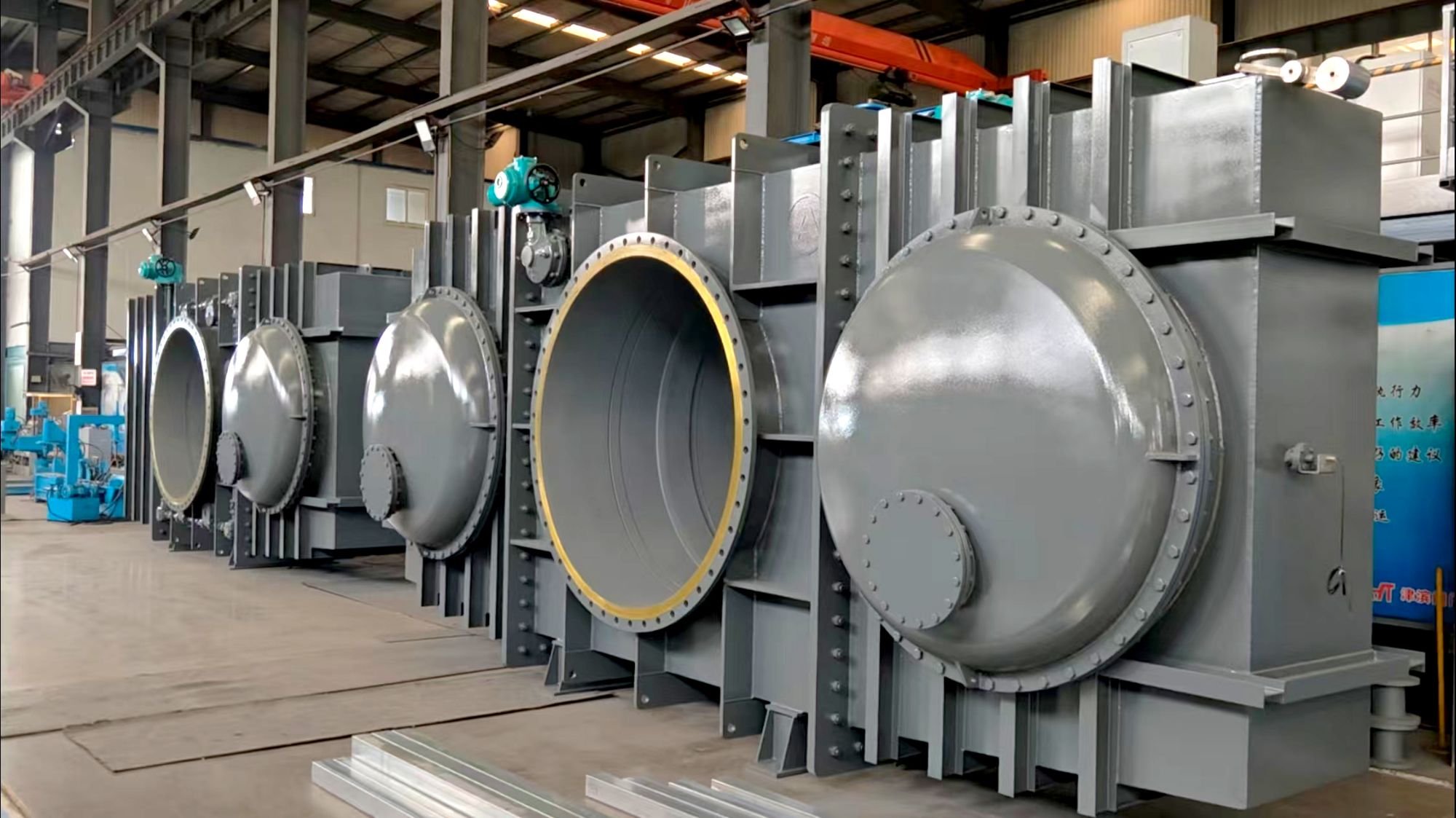
China’s dominance in goggle valve production stems from an unmatched combination of specialized industrial clusters and deep manufacturing experience. Over decades, entire regions have evolved to focus exclusively on fluid control components, creating an ecosystem where raw material suppliers, precision machining workshops, and skilled assembly teams are concentrated within a few square miles. This density slashes logistics overhead and allows for rapid design iterations, giving Chinese factories the edge in both speed and cost efficiency without compromising on reliability.
Beyond infrastructure, the sector benefits from a workforce that has honed its expertise through continuous, high-volume production. Unlike markets where such manufacturing is sporadic or outsourced to generalists, Chinese technicians often spend their entire careers refining the very narrow tolerances and specialized sealing mechanisms that goggle valves demand. This cumulative skill translates into components that consistently withstand extreme pressure differentials and aggressive media—performance attributes that purely automated processes elsewhere struggle to replicate at scale.
The final piece is a culture of adaptive innovation rather than rigid adherence to legacy standards. Chinese manufacturers frequently modify materials, coating technologies, and internal geometries to meet unique client specifications—from deep-sea equipment to sterile pharmaceutical environments—without the delays typical of Western retooling cycles. Access to a vast domestic testing market for everything from petrochemicals to mining also means new designs are battle-proven faster, creating a feedback loop that continuously sharpens both durability and value.
Beyond the Basics: Engineering Precision in Closed-Type Valves
Closed-type valves often operate under conditions that test the limits of material science and machining tolerances. Achieving true precision means moving beyond standard seat geometries and exploring lapped, matched sets where the gate and seat rings are paired during final assembly—eliminating micron-level gaps that would otherwise invite erosion or vibration-induced chatter. Advanced alloys like duplex stainless steel or cobalt-chromium overlays are selectively applied not just for corrosion resistance, but to maintain hardness at temperature extremes, ensuring that the sealing faces won’t gall or deform after thousands of duty cycles.
The internal flow path is another domain where engineering ingenuity separates commodity valves from high-integrity designs. Rather than accepting abrupt directional changes that cause turbulence and pressure drops, computational fluid dynamics refines every contour—transition zones are sculpted to guide the medium smoothly past the seat area. This attention to what happens inside the closed cavity when flow is diverted or momentarily reversed protects against wire drawing and cavitation damage, especially during partial stroke testing. In hydrogen or sour gas environments, such meticulous design curtails the risk of stress corrosion cracking at stress risers that simpler models overlook.
Actuation interfaces also demand a departure from the ordinary: close-coupled bracket designs with zero-backlash couplings ensure that valve stem positioning repeats to within fractions of a degree, cycle after cycle. This is critical in modulating services where the deadband of a conventional linkage would cause oscillations in the control loop. By embedding magnetostrictive linear sensors directly into the yoke, feedback is captured at the source of motion rather than inferred through external levers, providing real-time stroke verification that satisfies functional safety requirements without retrofitted hardware. The result is a valve that becomes a reliable, integral component of the control system, not just a passive flow interrupter.
From Steel Mills to Chemical Plants: Real-World Applications
Steel production hinges on precise temperature control, and advanced sensor networks now monitor blast furnaces in real time, detecting subtle thermal shifts that signal refractory wear or imminent breakout. These systems relay data directly to furnace operators, who can throttle cooling flows or adjust charge mixes before a costly shutdown occurs. The same principle extends to continuous casters, where laser-based measurement of strand surface temperature helps avoid cracking and ensures consistent metallurgical properties along the entire length.
In chemical plants, the story shifts to corrosion management and process stability. Wireless ultrasonic thickness gauges embedded on reactor vessels and transfer piping feed a central historian, flagging material loss long before a leak develops. At a large ethylene cracker, this approach turned unplanned inspections into scheduled turnarounds, saving millions in deferred production. Distributed temperature sensing along furnace tubes further allows operators to balance heat input and spot coking buildup, keeping yield high without pushing equipment past safe limits.
Across both industries, the common thread is the move from reactive fixes to predictive action. Vibration signatures on turbine-driven compressors, for instance, reveal misalignment or bearing fatigue early enough that maintenance teams can intervene during routine windows. What once required a catastrophic failure to diagnose now appears as a subtle trend on a technician's tablet, blending the physical intuition of seasoned engineers with the pattern recognition of modern analytics. The result is not just uptime—it’s a quieter, more deliberate way of running hard-working assets.
Material Science Meets Valve Design: A Chinese Edge
The evolution of industrial valves has long been tied to advances in material science, and Chinese manufacturers are now at the forefront of this intersection. By harnessing cutting-edge alloys and composite materials, they have redefined durability and performance in extreme environments. This edge stems from a deep integration of metallurgical research with practical engineering, enabling valves that withstand higher pressures, corrosive chemicals, and temperature extremes that would cripple conventional designs.
One standout innovation is the application of nanostructured coatings and proprietary stainless steel blends developed in Chinese laboratories. These materials not only resist wear and galling but also reduce maintenance cycles significantly. In sectors like petrochemicals and nuclear power, where failure is not an option, this material-first approach has given Chinese valves a reputation for reliability that rivals established global brands. The secret lies in tailoring material properties at the microscopic level—grain boundary engineering, for instance—to create components that self-reinforce under stress.
Beyond just strength, the Chinese edge extends to cost-effective production without sacrificing quality. Advanced metallurgy combined with scalable manufacturing processes allows for high-performance valves that compete aggressively on price. This balance of innovation and economy has propelled Chinese valve designs into international megaprojects, from deep-sea drilling rigs to liquefied natural gas terminals. The result is a new benchmark where material science isn't just an afterthought but the very foundation of valve engineering, giving China a distinct competitive advantage in the global market.
Future-Proofing Pipelines: The Next Generation of Goggle Valves
Modern pipeline systems face evolving demands—from stricter environmental regulations to higher throughput requirements. The latest goggle valves rise to these challenges with advanced materials like duplex stainless steel and enhanced sealing geometries. Unlike traditional designs that degrade under thermal cycling or corrosive media, this new generation maintains integrity over extended service intervals, significantly reducing unplanned downtime and leakage risks.
Beyond material upgrades, intelligent monitoring capabilities are being integrated directly into valve assemblies. Embedded sensors track seat wear, actuator health, and emissions in real time, feeding data into centralized control systems. This shift from reactive maintenance to condition-based strategies not only extends asset life but also provides operators with actionable insights to optimize flow management. The result is a valve that doesn't just isolate or divert—it communicates.
Looking ahead, modular design philosophies allow these valves to adapt as pipeline networks evolve. Interchangeable components and retrofit kits ensure compatibility with emerging automation protocols without full replacement. By prioritizing scalability and smart functionality, next-generation goggle valves are redefining reliability for critical isolation applications in water treatment, petrochemical, and gas transmission systems.
FAQ
A closed-type goggle valve is a specialized isolation device used in pipelines to provide absolute shut-off. It features a movable gate with a solid blank and a circular opening, allowing either full flow or complete blockage. The 'closed-type' design means the goggle plate is fully enclosed, preventing leakage to the atmosphere and ensuring safe handling of hazardous media.
Chinese manufacturers typically use carbon steel, stainless steel, and alloy steels for bodies and internal components, with seats often made of PTFE or metal for tight sealing. Material selection follows international standards like ASTM and can be customized for corrosive or high-temperature services.
China combines advanced CNC machining, automated welding, and rigorous testing with cost-efficient production. Many factories hold certifications like ISO 9001, API, and CE, ensuring consistent quality while offering competitive pricing due to integrated supply chains and skilled labor.
They are widely used in oil and gas, petrochemicals, power generation, and marine industries for isolation of process equipment, tank farms, and flare systems. Their ability to provide 100% shut-off makes them ideal for maintenance, pigging operations, and emergency isolation.
Reliability is ensured through hydrostatic and pneumatic testing, helium leak detection, and fire-safe certifications. Reputable suppliers also provide full traceability and compliance with standards like API 6D, ASME B16.34, and Pressure Equipment Directive (PED) for global markets.
Chinese valves offer a balance of robust engineering and cost-effectiveness without compromising on material quality or performance. Shorter lead times, flexibility in customization, and after-sales support further enhance their appeal for international projects.
Conclusion
Closed-type goggle valves quietly anchor safety in demanding industrial systems, from high-temperature blast furnaces to corrosive chemical lines. Their rugged design ensures absolute shutoff or diversion of media, preventing cross-contamination and catastrophic leaks. Chinese manufacturers have refined this technology through a blend of large-scale engineering expertise and rapid iteration, turning a once-niche component into a globally competitive product. The shift from raw cost advantage to precision craftsmanship is evident in CNC-machined sealing surfaces, zero-dead-leg construction, and custom alloy bodies that resist extreme pH, heat, and abrasion. In many plants, these valves outlast European equivalents while cutting lead times by weeks.
Real-world deployments span steel mills managing 1500 degree flue gas, LNG terminals handling cryogenic fluids, and pharmaceutical reactors where sterility is non-negotiable. Field feedback from Sinopec engineers reveals a 60% drop in unplanned downtime after retrofitting older lines with upgraded closed-type models. Material innovations, such as duplex stainless and ceramic-coated discs, now tackle erosion and galling that plagued earlier designs. Looking ahead, smart goggle valves with embedded IoT sensors are entering trials, offering real-time leak detection and predictive maintenance. This evolution underscores China's growing role not just as a volume producer, but as a driver of reliable, forward-looking fluid control solutions.
Contact Us
Contact Person: Su Zhang
Email: [email protected]
Tel/WhatsApp: +86-25219206
Website: https://www.tht-valve.com/