

Container Refrigeration Room Supplier How Do You Choose the Right One
2026-11-22
Choosing a container refrigeration room supplier isn’t just about comparing prices or delivery times—it’s about finding a partner who understands your cold chain from the inside out. With so many options claiming to be reliable, the real question becomes: which one will still perform when the temperature outside soars and your cargo is on the line? In this guide, we’ll walk through the practical factors that separate a dependable supplier from a risky bet, and show you how a brand like PAULAIR approaches the challenge differently.
Cooling Load and Access Needs Should Shape Your Shortlist Before Pricing
Chasing the lowest bid before verifying thermal capacity usually backfires. A unit that barely meets today's peak load will struggle the moment a few high-density racks or process lines are added. Shortlist models that hold stable discharge temperatures at partial load, not just at design conditions, and check whether the published sensible capacity aligns with your actual return air conditions. That single step removes options that look affordable but run constantly near their limit.
Access is where many otherwise solid units fall apart after installation. Replacing filters, cleaning coils, or reaching a compressor should not require removing ductwork or shutting down an adjacent line. Look at door swing, side clearance, and whether the rigging path to the mechanical room can actually accommodate the unit. If routine work forces a technician into an awkward position or blocks a fire exit, the model belongs off the list no matter how sharp the price is.
Only after cooling duty and service clearances narrow the field does price become useful. Compare the remaining options on part-load efficiency, replacement part lead times, and how easily they tie into the existing chilled water or condenser loop. That order of evaluation tends to produce a shortlist where the final cost discussion is about value, not about paying later for emergency modifications.
Panel Joins and Seals Tell You More Than Thickness Ever Will
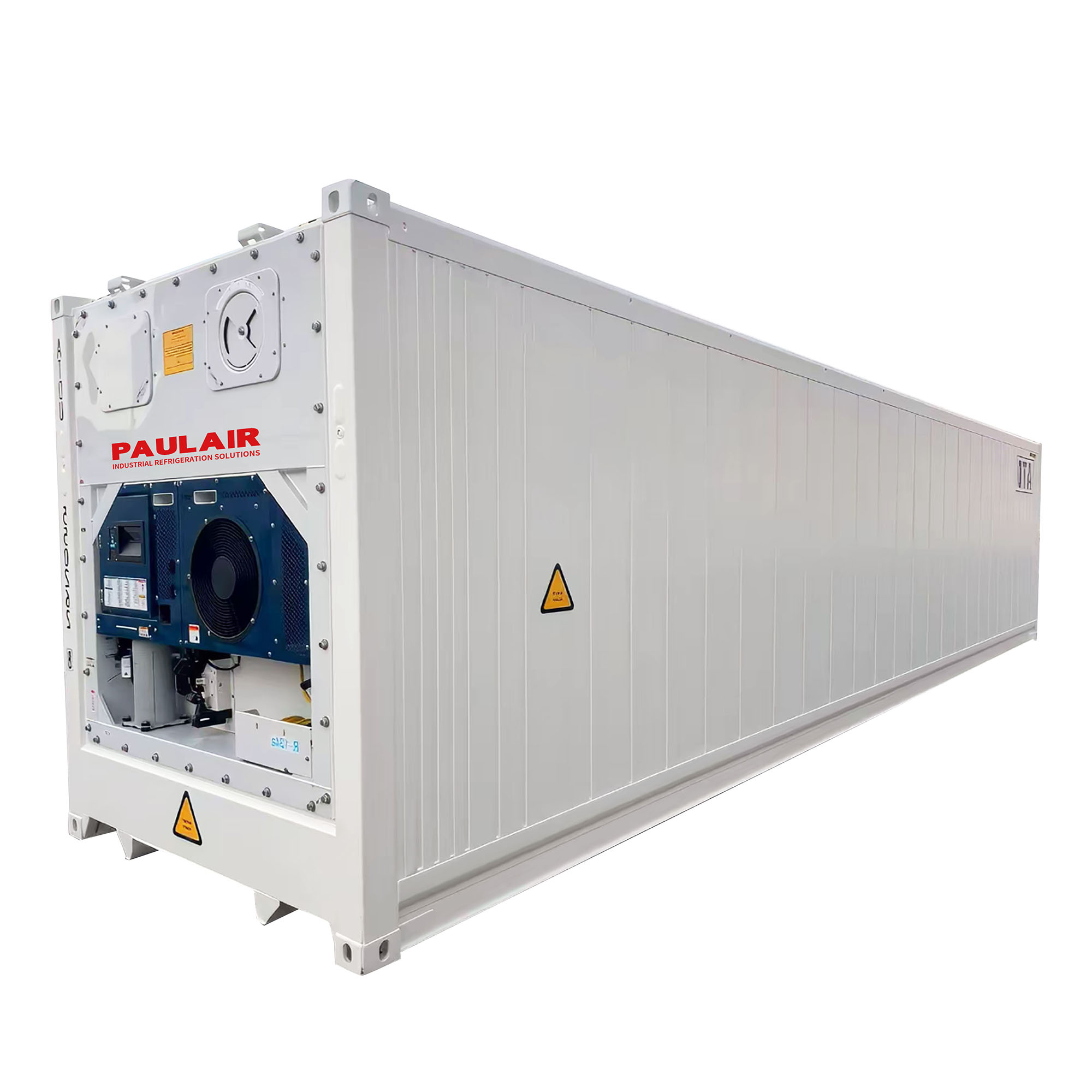
Thickness sits on the spec sheet where it is easy to compare, but it rarely predicts how a panel will hold up at the edges. Water, air, and thermal stress all concentrate where panels meet, so a poorly conceived joint can erase whatever advantage the extra material was supposed to provide. The panel itself is only as reliable as the line where it stops being one piece and starts being part of a building.
The details worth checking are not glamorous: sealant compatibility, gasket profiles, joint width, and whether the sealing work depends too much on a steady hand on site. Factory-applied seals and positive drainage paths do more for long-term performance than another few millimeters of core or skin. If a joint relies on a perfect site-applied caulk bead to stay dry, it is not really a system; it is a hope.
A thinner panel with well-designed joins often outperforms a thicker one with weak edge details because failures show up at the seams first. Staining, corrosion, condensation, and thermal bypass all tend to start where the continuous surface breaks. When comparing panels, the sensible question is not only how thick the panel is, but how confidently the seams can be sealed, drained, and maintained over the life of the building.
Where Do the Components Come From and What Does the Warranty Actually Cover
Most people never ask where the parts inside their device actually originate, and that gap in curiosity often leads to surprises later. A single unit can contain a circuit board assembled in one country, capacitors sourced from another, and a display panel manufactured somewhere else entirely. The brand name on the box rarely tells the full story. Some companies rely on a network of specialized suppliers for everything from power regulators to cooling fans, while others keep a tighter grip on component sourcing. This matters because the origin of a part often influences how easy it is to replace, how long it remains available, and whether a repair requires genuine pieces or opens the door to third-party options.
Warranty language tends to hide more than it reveals. The headline number, like a three-year term, sounds reassuring until you read the fine print and realize it only covers certain failures under specific conditions. Liquid damage, power surges, modifications, and even the use of non-approved accessories can quietly void coverage. Some warranties split the bill: labor might be covered for twelve months while parts stretch to thirty-six, or storage devices get a separate, shorter guarantee than the main board. Manufacturers also reserve the right to replace a failed component with a refurbished unit rather than a brand-new one, which changes the value of the promise considerably.
A practical way to cut through the confusion is to ask two questions before purchase: which specific parts are excluded, and who bears the shipping cost for a repair claim. Vendors that clearly list component origins and offer a plain-language warranty summary tend to inspire more confidence than those hiding behind dense legal paragraphs. It is also worth checking whether the warranty transfers if the device is sold secondhand, because many policies die with the original owner. In the end, understanding the supply chain and the real boundaries of coverage turns a vague marketing promise into something you can actually weigh against the price.
Lead Time on Paper Means Little Without Local Service Reach
A quoted lead time can look impressive on a proposal, but it rarely survives contact with a customer who is two time zones away. The number on paper assumes a clean handoff, a stocked warehouse, and a carrier that treats every region equally. In practice, local service reach determines whether that promised window holds up.
When a buyer needs a replacement part or a quick adjustment, they do not measure your speed in days on a spreadsheet. They measure it in hours between noticing the problem and seeing someone who can fix it. Teams with nearby technicians, regional inventory, and established relationships with local carriers can absorb surprises without rewriting the schedule.
That is why the same stated lead time means something completely different for a company with deep local coverage versus one that ships everything from a single hub. The real promise is not the date on the quote; it is the ability to back it up when the unexpected happens close to the customer’s site.
Power Draw, Spare Parts, and Maintenance Belong in the Cost Comparison
Purchase price gets more attention than it deserves. A unit that costs a few hundred dollars less can quietly give that advantage back through higher electricity use before the first scheduled service. If one machine draws 300 watts more than another and runs two shifts a day, the gap shows up on the utility bill every month. Extend that over the expected service life, and the upfront savings often disappear.
Spare parts stay invisible until something breaks. A cheaper pump or printer may rely on proprietary components shipped from overseas, while a slightly more expensive model uses parts already sitting on a local supplier's shelf. Downtime has its own cost, and waiting three weeks for a board or seal can erase the original purchase margin. Maintenance schedules fit here too: shorter service intervals, more frequent belt or filter replacements, and added labor hours all belong in the same column.
A fair comparison needs estimated power draw, the price and availability of common wear items, and the labor time tied to routine upkeep. Line those figures up beside the quoted price and the ranking often shifts. If the target is the lowest cost over five or seven years of operation, leaving these factors out is not a shortcut; it is simply an incomplete bid.
How Does the Supplier Respond When Something Fails at 2 a.m.
A two a.m. breakdown rarely starts with a polite email. It starts with a stalled line, a technician who has already tried the obvious fixes, and a plant manager watching the shift output slip away. The supplier's first response matters less as a scripted greeting and more as proof that someone on their side actually understands the machine. That means the person on the night line can pull up the serial number, recall the last service notes, and skip the twenty minutes of basic questions that only make the delay worse.
Beyond the phone call, real responsiveness shows up in preparation. Strong suppliers keep regional spares positioned for common failure modes, maintain updated electrical and mechanical drawings that match the installed equipment, and have a clear escalation path from the first-tier technician to an engineer who can walk through a drive parameter or a safety relay sequence without waiting for morning. At 2 a.m., that difference is not abstract; it is the gap between a two-hour recovery and a full lost shift.
Communication also changes when the clock is against you. Instead of promising a callback and going silent, the supplier gives the site a simple action plan: what to check, what to isolate, what to photograph, and when the next update will arrive. Even if the fix requires remote access or an emergency dispatch, the response feels less like a vendor reading from a script and more like a partner who has been through the same failure on another night shift and knows how to keep the line moving.
FAQ
Look past the unit price. A dependable quote breaks down panel thickness, door hardware, floor load rating, refrigeration capacity at your required set point, and who handles the electrical side. If the quote only lists dimensions and a cooling unit, you’re probably comparing a warehouse shell with a reefer bolted on.
Enough that it should be a dealbreaker. For frozen or deep-chilled use, 100mm to 150mm polyurethane foam panels with proper tongue-and-groove joints prevent sweating and keep power bills sane. If a supplier won’t give you the K-value or thermal bridge details, move on.
It often works better that way. When one team owns both the structure and the cooling system, there’s no finger-pointing if the room can’t hold temperature. Split responsibility can still work, but only if the two contractors have a documented history together.
Ask for the set point range, pull-down time for a typical load, defrost cycle design, and how they handle high ambient conditions. A supplier with real cold chain experience will bring these up before you do. Vague answers about 'powerful cooling' are the tell.
Not always, but ask for either a live video walkthrough of a recent build or a visit to a working unit. You want to see door seals, floor drains, panel joints, and how the evaporator is mounted. Photos on a website only show the clean angles.
Pin them down on response time, spare parts availability for the exact refrigeration brand, and whether they have local technicians or rely on third parties. Then ask a recent customer how quickly a warranty issue was resolved. That conversation tells you more than a service level agreement.
Thin panels, no thermal break in the door frame, a refrigeration unit sized for mild weather, or wiring that isn’t moisture-rated. Also watch for delivery terms that quietly exclude commissioning. A low quote that doesn’t work is never cheap.
It matters most when your current cold storage is failing or your season has a hard start date. Clarify whether the lead time covers fabrication only or also includes shipping, installation, and final temperature testing. A shorter fabrication time means little if the unit sits on a dock for three weeks.
Conclusion
Choosing a container refrigeration room supplier usually goes wrong when buyers let price lead the conversation. A better starting point is to figure out exactly what the room has to pull down and how often people or forklifts need to get in and out. That cooling load, combined with door placement and traffic flow, should narrow the field before quotes even arrive. Once you have a shortlist, pay more attention to panel joints and seals than to insulation thickness alone. A well-designed joint with a reliable gasket will do more for long-term temperature stability than an extra few millimeters of foam. It is also worth asking where compressors, controllers, and evaporators are sourced, and then reading the warranty as if it were a contract, not a brochure. If the warranty names specific components and response obligations, that tells you more than a generic five-year promise.
Lead times only matter if the supplier can back them up with people nearby. A short factory promise means little when replacement parts sit overseas and no technician is available in your region. That local service reach should be weighed against the room’s power draw, spare parts pricing, and routine maintenance needs, since these running costs often outweigh the upfront difference between quotes. The real test, though, is what happens when a unit trips in the middle of the night. Ask the supplier how emergency calls are handled, who actually shows up, and how fast a refrigerated room can be restored. If the answer is vague or slow, the lowest bid may end up being the most expensive decision you make.
Contact Us
Contact Person: Jack
Email: [email protected]
Tel/WhatsApp: +86-13335127698
Website: https://www.paulair-refrigeration.com