

DC Combiner Box How to Choose a Good One
2026-09-22
When your solar array starts underperforming, the culprit is rarely the panels—it’s often the box quietly combining their power. A DC combiner box might look like a simple enclosure, but choosing the wrong one can lead to costly downtime, safety hazards, or even fires. In this guide, we’ll walk through the must-check specs and real-world pitfalls, with a focus on what makes a combiner box truly reliable. If you’re serious about long-term performance, keep an eye on Chang Song—a brand that engineers trust for robust, field-proven designs.
What Most Buyers Get Wrong About DC Combiner Box Sizing
Most buyers fixate on the number of input strings and pick the smallest enclosure that physically fits the fuse holders. That leads to trouble because the real sizing driver is not just string count but the combined short-circuit current after derating. PV systems run at high continuous current for hours, and a combiner box crammed with little air space will cook terminations and fuses even if the label says it is rated for the nominal amps. You also need to look at the busbar ampacity, the disconnect rating, and whether the enclosure can dissipate heat at the site's highest ambient temperature, not at a comfortable bench-test value.
Another recurring mistake is ignoring future expansion and voltage drop. A box sized exactly for today's strings becomes a replacement project the moment the array grows, and running undersized output conductors from the box to the inverter quietly eats yield. Smart buyers calculate both the maximum system voltage at the coldest recorded temperature and the continuous current at the hottest, then leave at least 20 percent headroom inside the box for airflow and terminal temperature rise. That approach rarely matches the cheapest enclosure that a supplier's quick configurator recommends.
Why Enclosure Material Matters More Than You Think
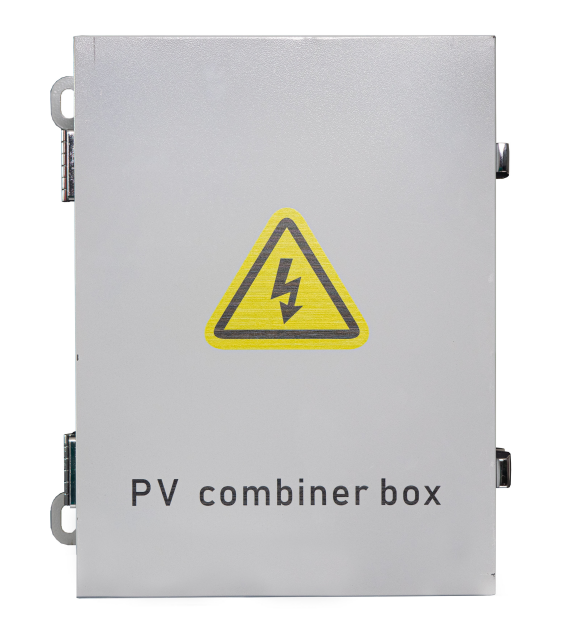
The heat from your components doesn't vanish once the fans spin up. It radiates into the case walls, and the material of those walls dictates how quickly that energy moves outward. Aluminum, for instance, pulls heat across its surface far faster than steel, which is why slim aluminum enclosures often feel warm to the touch while a steel box traps more warmth inside. Drop a plastic front panel into the mix and you've got an insulator sitting right where most airflow enters. Over months of use, that difference isn't theoretical—it shows up in fan speeds, dust buildup, and the steady whine of a system working harder than it should.
There's also the quieter battle happening around electromagnetic interference and acoustic resonance. A solid steel chassis acts like a dampening cage, absorbing the high-frequency noise from GPUs and power supplies, while thinner aluminum or acrylic panels tend to ring like a bell under certain fan RPMs. The same goes for EMI: copper and steel provide meaningful shielding, but once you swap in tempered glass or plastic, that protection drops sharply. You might not notice it day to day, but it's the difference between a build that hums along and one that occasionally crackles through nearby speakers.
Durability is the slow burn that separates thoughtful builds from flimsy ones. Soft aluminum looks great in photos but picks up scratches from a stray USB cable, and cheap plastic clips will snap after a few panel removals. Powder-coated steel shrugs off years of transport, while anodized finishes fade unevenly near heat sources. These aren't just cosmetic annoyances—every time a panel flexes, it shifts the internal structure, eventually loosening standoffs and stressing soldered joints. The material you choose now is the one you'll be touching, lifting, and living with long after the initial build high fades.
The Overlooked Role of Surge Protection in Combiner Boxes
Combiner boxes tend to get careful attention for overcurrent protection, disconnect switches, and wire management. Surge protection, though, often becomes an afterthought—something removed when budgets tighten or dismissed as unnecessary in areas not known for frequent lightning. That reasoning misses how transient overvoltages actually behave. A nearby strike, utility switching event, or even a large motor starting on the same feeder can induce fast voltage spikes that travel along DC conductors. Without a surge protective device at the combiner level, those spikes reach the inverter and modules, gradually degrading insulation and semiconductor junctions. The damage rarely shows up immediately, which is exactly why it gets overlooked in failure analysis.
The upfront savings from omitting SPDs are small compared to the cost of replacing an inverter or troubleshooting intermittent ground faults. Field service records show a pattern: sites without combiner-level surge protection report more unexplained inverter board failures and burned terminals after storm seasons. Maintenance crews often swap the damaged component and move on, never linking the failures to a missing protective stage. A DC-rated SPD installed inside the combiner box clamps overvoltages before they propagate downstream. It needs to be coordinated with the array's grounding scheme and kept on short leads—long wire loops add impedance and reduce clamping effectiveness. This is not just about direct lightning hits; it's about keeping everyday electrical noise from becoming a slow killer of power electronics.
Good surge protection in a combiner box isn't a set-and-forget device. It should have a thermal disconnect and visual status indicator, and someone needs to glance at it during routine maintenance. In many plants, SPDs are installed but never checked, so a failed module goes unnoticed until a real surge event proves there was no protection left. The placement inside the enclosure matters too: close to the incoming conductors, with a low-impedance path to the ground bus. When done right, this often-ignored component quietly extends the life of the entire array and reduces the number of service calls after weather fronts move through. It may not get the attention that fuses and breakers do, but it pulls more weight than its size suggests.
How to Read Temperature Derating Curves Without Guesswork
Start with the axes. The horizontal line is usually case or ambient temperature, and the vertical line shows how much current or power the device can handle as a percentage of its nominal rating. Before looking at the curve itself, note the units and the reference point—some manufacturers plot absolute watts, others show a multiplier like 0.8 or 80%. That single distinction avoids most mistakes people make when comparing parts from different vendors.
Trace the curve from the left edge to the first knee. That flat segment tells you the maximum rating holds until a specific temperature, often 25°C or 40°C. From that knee onward, the line drops at a fixed slope. The slope itself is the derating factor—for example, a line that falls from 100% at 50°C to 0% at 150°C derates at 1% per degree. Reading the slope directly off the graph is more reliable than trusting a datasheet number that may have been rounded.
When your operating temperature falls between two marked gridlines, don’t eyeball it. Pick the two nearest points on the line where it crosses a vertical gridline, subtract the percentage values, and divide by the temperature difference. That gives the actual derate per degree for that segment. Then apply that rate to your worst-case ambient or case temperature, and add a small margin for uneven airflow or nearby heat sources. Curves assume a specific mounting condition, so check the notes under the graph before you treat the result as final.
Are Your Fuse Holders Up to the Job? A Quick Checklist
Before you trust a fuse holder to protect your circuit, take a hard look at how it handles real-world conditions. A holder that works fine on a bench can fail in the field if it can't cope with vibration, temperature swings, or moisture. Start by checking the contact pressure—loose clips cause resistance and heat, which is exactly what you don't want near a fuse.
Next, think about the environment. Is the holder rated for the humidity, dust, or corrosive atmosphere it will face? Many failures come from choosing a basic open holder for an application that really needs a sealed or finger-safe design. Also verify the voltage and current ratings under steady load, not just surge conditions; a holder that barely meets spec leaves no margin for aging or minor overloads.
Finally, don't ignore the mechanical details. Check that the fuse sits snugly without excessive insertion force, and that the terminals accept your wire size without strain. A quick inspection of the mounting method—screws, clips, or DIN rail—can reveal whether it will stay put over years of use. If any of these checks raises a doubt, swap the holder before it lets you down.
Field-Friendly Features That Save Hours During Installation
Most of the assembly happens before the box is even opened. Brackets arrive pre-attached, wiring harnesses are already routed through the frame, and the main connector blocks snap together without needing a screwdriver. That means you spend less time sorting through parts bags and more time actually mounting the unit.
The adjustment points are placed where you can actually reach them, even after the first section is bolted down. A spring-loaded latch lets you reposition the mounting rails in seconds instead of loosening a dozen bolts. Cable entry points are oversized and angled, so pulling wire through doesn't turn into a wrestling match.
Color-coded terminals and numbered access covers remove the guesswork during final hookup. Each connection point is labeled directly on the housing—not just in a manual that nobody has time to find. Alignment tabs on the side panels make sure everything lines up the first time, which eliminates the back-and-forth of re-leveling and re-drilling.
FAQ
Start with the maximum system voltage and current ratings. A box rated for 1500V is often more future-proof than one limited to 1000V, but only if your inverter and array are actually built around that voltage. Don't overlook the number of input circuits and the ampacity of the busbar, because an undersized busbar will heat up even if the enclosure looks sturdy.
It matters a lot if the box will live outdoors. For dusty or wet locations, look for IP65 or NEMA 4X rather than a generic indoor rating. The gasket quality and hinge design also tell you whether the seal will last after years of sun exposure and temperature swings. A rust-resistant coating or stainless steel hardware is a good sign.
Both can work, but fuses tend to handle high DC fault currents more predictably in many string-level applications. If you choose breakers, make sure they are DC rated for the full system voltage, not repurposed AC units. Some installers prefer touch-safe fuse holders so you can service one string without exposing live parts.
In lightning-prone areas, yes. A Type 1 or Type 2 surge protective device can prevent a nearby strike from taking out your entire array or inverter. Check that the SPD is replaceable and has a visible status indicator, because a dead surge module that you can't see is worse than no protection at all.
It depends on your array layout, but always leave at least one or two unused positions for future expansion. A box with modular fuse holders or breaker slots is easier to reconfigure later than one with fixed busbar connections. Also verify that the wire bending space is generous enough for the cable sizes you actually plan to pull.
For larger ground-mount or commercial systems, string-level current monitoring can save hours of troubleshooting when a panel or fuse fails. For small residential systems, it may be unnecessary complexity. If you do add monitoring, make sure the sensors are accurate at low current levels and the communication wiring doesn't interfere with the DC circuits.
Look for UL 1741 or IEC 61439 compliance, depending on your region. These standards cover clearances, creepage distances, and fault withstand ratings, which are not obvious from photos. A reputable manufacturer will also provide a short-circuit current rating that matches your array's maximum fault current.
You can, but cheap combiner boxes often cut corners in terminal quality, busbar plating, or cable glands. Those failures show up as hot spots or water ingress after a few seasons. Spending a bit more on a unit with good internal separation and corrosion-resistant components usually pays off in avoided downtime.
Conclusion
Many buyers assume that picking a DC combiner box is just about counting strings and matching the voltage, but undersizing is a common and expensive mistake. You need to look beyond nominal ratings and account for short-circuit currents, temperature extremes, and possible future expansion. The enclosure material also deserves more attention than it usually gets: a polycarbonate box may handle UV and corrosion well in coastal or high-altitude sites, while a metal enclosure might be better for high heat or rodent resistance. Surge protection is often seen as an optional add-on, but in a combiner box it can prevent a single lightning strike or switching transient from taking down the whole array. Make sure the surge protective device is rated for the system voltage and is easy to replace without rewiring the entire box.
Temperature derating curves are another area where guesswork leads to nuisance tripping or blown fuses. Read the curve for your specific fuse and holder combination, and consider how heat from adjacent components and the enclosure itself reduces the effective current rating. Fuse holders need a quick inspection: check for proper spring tension, clean contact surfaces, and adequate touch-safe covers, because a loose holder creates resistance and heat. Finally, field-friendly features can save hours on site. Look for pre-installed busbars, large wiring gutters, removable gland plates, and hinges that hold the cover open. Clear labeling and tool-less entry might seem minor, but they add up when you are working on a roof or in bad weather. A well-chosen combiner box keeps the system safer and easier to maintain long after installation.
Contact Us
Contact Person: Tonglun Chen
Email: [email protected]
Tel/WhatsApp: 8618906642555
Website: https://www.cncsele.com