

Decorative Moss: Which One Should You Choose?
2026-09-18
Most people treat decorative moss as an afterthought—until they realize the wrong one flattens an entire design. Whether you're aiming for a soft woodland feel or a crisp, modern accent, the variety you choose changes everything: texture, moisture retention, color longevity, even how it sits in a vase. Below, we break down the options worth considering and the trade-offs that rarely get mentioned. This is the same selection process we use at PHLEEYA, where moss isn’t just filler—it’s a design decision.
Why Decorative Moss Is Quietly Taking Over Modern Interiors
The first time you spot a swath of preserved reindeer moss mounted inside a brushed-brass frame, it’s easy to mistake it for a bold art piece. But designers are quietly swapping canvas prints and fiddle-leaf figs for something far less demanding: moss that never needs a drop of water or a sunny sill. Because it’s harvested and stabilized, the color stays rich and the texture spongy to the touch, which lets it slip into living rooms, lobbies, and even powder rooms without the usual upkeep panic.
Beyond the no-maintenance appeal, moss does something most wall decor can’t—it softens sound. Dense panels absorb the clatter of open-plan life, turning an echoing hallway into a space that feels noticeably calmer. That acoustic bonus, paired with the deep greens and sage tones that work with both concrete lofts and warm oak shelving, explains why more interiors are treating moss as a finish material rather than a garden afterthought.
There’s also a psychological pull. A patch of moss brings a hint of forest floor indoors without the fuss of a living wall, and it never yellows or drops leaves. That quiet resilience makes it an easy answer for anyone who loves the look of greenery but has killed one too many ferns. The result is a surface that feels alive, even when it’s technically asleep.
Preserved Moss vs. Living Moss: An Honest Comparison
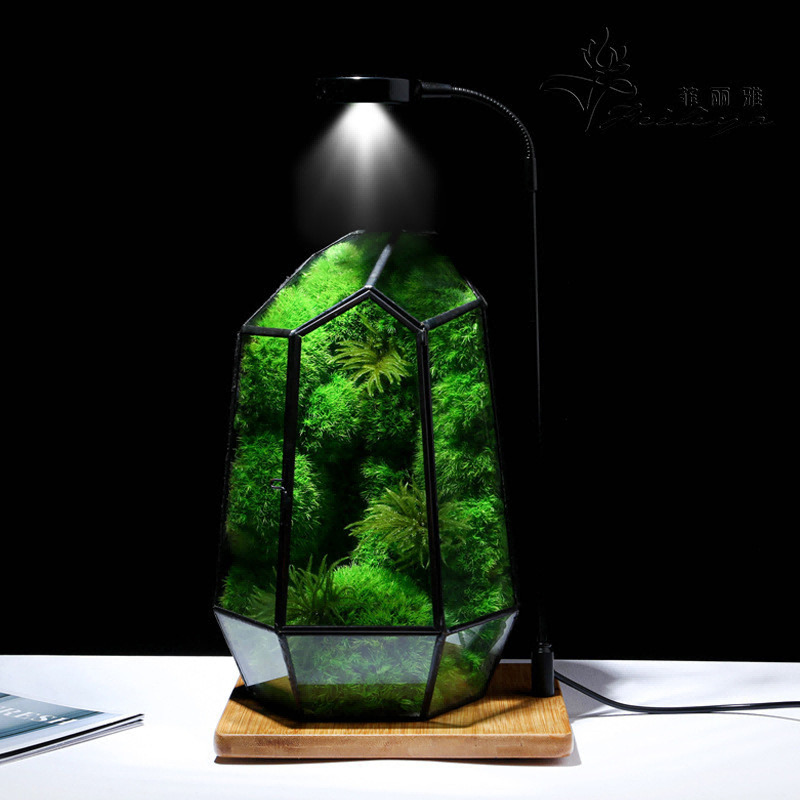
The gap between preserved and living moss isn't about maintenance alone; it's about whether you want a snapshot or a process. Preserved moss has been treated with glycerin to replace its moisture, which halts decay and locks in a soft, flexible state. Living moss, by contrast, is still photosynthesizing and respiring, so it reacts to light, humidity, and airflow in real time.
Visually, preserved moss offers stable color that won't fade much, but it can feel slightly dry or brittle over time and never recovers if damaged. Living moss shifts from deep green to duller tones when thirsty, yet it can bounce back within hours of misting and even spread slowly across a surface. The catch is that living moss demands consistent moisture and indirect light, while preserved moss simply sits there, gathering dust without any biological activity.
In the end, the honest comparison isn't about which one is superior overall, but which one matches your actual habits. If you travel often or keep low-light rooms, preserved moss removes the risk of a brown, crunchy mess. If you enjoy tending to a tiny ecosystem and watching growth over weeks, living moss rewards that attention with genuine vitality.
The Best Moss Types for Low-Light Bathrooms and Bright Living Rooms
Choosing moss for indoor spaces comes down to matching the plant's natural habits with the light you actually have. For bathrooms that stay dim and humid, Java moss and sheet moss are dependable picks. They tolerate low light without turning brown and thrive on the moisture from daily showers. A terrarium or a glass cloche keeps them from drying out between steamy sessions, and they'll slowly spread over stones or driftwood for a calm, green look.
In brighter living rooms, you can branch out to sun-loving varieties like cushion moss or reindeer moss. These types handle a few hours of indirect light near a window and hold their shape well, making them ideal for open bowls or tabletop displays. Just keep them lightly misted—too much direct sun will scorch the tips, so an east-facing sill or a spot a few feet back from a south window works best.
No matter which room you're styling, skip any moss that demands constant high humidity in a dry living room, and avoid low-light species on a sunny shelf. A quick touch test works: if the moss feels crisp, it needs water; if it's soggy, back off. With the right match, these ancient little plants bring a quiet, woodsy texture that's surprisingly easy to maintain indoors.
How to Match Moss to Your Space’s Moisture and Traffic
Moss doesn’t read care guides, but it does respond to how damp your space stays. For consistently moist spots—think shaded patios, leaky window wells, or spots near a downspout—sheet moss and fern moss settle in quickly because they pull moisture straight from the air and surrounding surfaces. If the area dries out between waterings or gets only morning sun, cushion moss handles those swings better, going dormant rather than turning crispy.
Traffic is the second filter. A moss path that gets walked on daily needs a species with a low, mat-forming habit and tolerance for compression, such as Bryum caespiticium or Irish moss (which isn’t a true moss but behaves like one). For purely visual patches between stepping stones or along a border, taller, fluffier types like haircap moss stay attractive because they never have to bounce back from footprints.
Pair the two factors before planting. A damp, seldom-touched corner can handle delicate fern moss; a dry, high-traffic strip will push most mosses into decline unless you amend the soil and water on a fixed schedule. If your space is both dry and busy, consider a dense, drought-tolerant ground cover instead of forcing a moisture-loving moss into a spot it will abandon by midsummer.
Five Unexpected Ways to Style Decorative Moss at Home
Forget the tired terrarium on a shelf—decorative moss can become a bold, tactile backdrop behind open shelving. Press preserved sheet moss onto a thin plywood panel cut to fit the back of a bookcase or bar cart, then let it dry flat. The irregular texture and muted green tones instantly turn everyday objects like glassware or ceramics into a curated collection, and because the moss is no longer living, there's no watering or light required. It's a quiet way to bring the outdoors inside without the maintenance fuss.
Another unexpected move is to use clumps of reindeer moss as napkin rings or place card holders for a dinner party. Just wrap a thin wire around a small bundle and shape it into a loose ring, tucking a sprig of dried flowers or a handwritten name tag into the center. The moss feels soft yet structured, and guests will be surprised that something so woodsy can sit elegantly next to fine china. After the meal, the moss can be slipped into a drawer as a sachet with a few drops of cedarwood oil.
If you want a sculptural statement, suspend a large orb of moss from the ceiling in a corner where it can turn slowly with air currents. Build the core from a foam ball, then attach preserved moss with fine pins or floral adhesive until it's completely covered. Hang it from a thin, almost invisible monofilament line at varying heights—one in a hallway, another over a reading nook. The shapes mimic natural boulders or nests, and the way shadows play across the fuzzy surface shifts throughout the day, making your home feel like a hidden garden grotto.
What Nobody Tells You About Choosing Decorative Moss
Most people assume decorative moss is just a dry, brittle accent that will crumble within weeks. In reality, the best preserved moss retains a soft, supple texture for years without any watering or sunlight. The difference comes down to how it was treated—glycerin-infused moss keeps its natural color and bend, while cheaper alternatives are simply painted and stiff. Before you buy, pinch a small piece: if it snaps like a twig, it won’t look alive in your space. Opt for moss that still has a slight give, as this signals the preservation process was done properly.
Another overlooked detail is the color story. Decorative moss isn’t just “green.” There are moody forest tones, pale lichen grays, and even warm amber varieties that read more like dried botanicals than living plants. If you pair a vibrant chartreuse moss with a rustic wood shelf, it can feel jarringly artificial. Instead, choose a hue that mimics what you’d find on a shaded forest floor—muted, layered, and slightly uneven. Mixing two or three tones in the same installation creates depth that a single flat color can’t achieve.
Finally, think about where the moss will actually live. Unlike preserved plants, moss is surprisingly sensitive to direct airflow and extreme humidity. Placing it near an air vent or a steamy bathroom will cause it to dry out faster or develop a musty smell. For a long-lasting arrangement, keep it in a spot with stable temperature and low moisture, and dust it gently with a soft brush rather than water. The goal is to let the moss fade into the background as a quiet, organic texture—not become a high-maintenance centerpiece you have to fuss over.
FAQ
Sheet moss and cushion moss are both solid picks. Sheet moss lays flat and looks tidy around potted plants, while cushion moss adds soft, rounded texture. Reindeer moss also holds its color well if you want a pop of green without much fuss.
Preserved moss needs zero watering and stays the same for years, but it won't grow or clean the air. Living moss brings real life and a slight humidity boost, yet it asks for regular misting and indirect light. Go preserved for low effort, living for a mini ecosystem vibe.
Java moss or cushion moss usually tolerate dim corners better than mood moss. Just keep the lid closed or mist often so they don't dry out.
Most living moss won't last long in complete darkness. Preserved moss or high-quality faux moss is the safer bet for windowless bathrooms, since it won't fade or shrivel.
Look for reindeer moss or sheet moss made from dyed lichen rather than plastic fibers. The lichen versions have irregular shapes and natural color variation that fool the eye up close.
Keep it out of direct sun and away from heat vents. A light dusting with a soft brush or cool hairdryer on low keeps it clean, and avoid getting it wet because preserved moss can bleed dye or develop spots.
Yes, preserved mood moss and dyed reindeer moss hold their color without any watering. If you want a living option, fern moss stays fairly green with weekly misting and moderate light.
Absolutely. Layering flat sheet moss as a base, then adding small clumps of cushion moss or tufts of reindeer moss creates depth. Just make sure all living types share the same light and moisture needs, or keep preserved ones separate so watering doesn't ruin them.
Conclusion
Decorative moss has shifted from a niche terrarium filler to a staple in modern interiors, but choosing between preserved and living options comes down to more than aesthetics. Preserved moss requires zero watering and thrives in low-light corners, making it a forgiving choice for bathrooms or dim hallways, yet it can fade over time and collects dust if left untouched. Living moss, on the other hand, brings genuine air-purifying potential and a lush, soft texture, but it demands consistent humidity and will sulk in bright, dry living rooms unless you’re committed to misting routines. A smarter approach is to match the moss type to the room’s actual conditions—consider how much moisture lingers after showers, whether kids or pets brush against the wall, and how much natural light actually reaches the spot. High-traffic areas near entryways rarely suit delicate cushion moss, while reindeer moss and sheet moss hold up better on vertical surfaces.
Beyond the basic preserved-versus-living debate, the real decision lies in how you’ll actually use the moss. Low-light bathrooms often benefit from mood moss or pole moss, which retain their deep green tone without sunlight, while brighter living rooms can handle sun-tolerant preserved varieties without worrying about scorching. Stylistically, moss works far beyond a simple framed panel—try lining the inside of a glass cloche with reindeer moss, wrapping a pendant light cord with sheet moss, or creating a moss rug under a glass coffee table for an unexpected earthy layer. What most guides won’t tell you is that all decorative moss eventually deteriorates, especially if exposed to direct sun or forced air, and some preserved moss is treated with dyes that can stain light walls. Before committing, ask whether you’re ready for periodic dusting or occasional spritzing, and choose a type that matches your tolerance for upkeep rather than just the photo you saw online.
Contact Us
Contact Person: Mr. Luo
Email: [email protected]
Tel/WhatsApp: 86 18100895505
Website: https://www.feiliyaflowers.com/en/