

Diesel Generator Set Vendor: How to Select the Best Partner for Your Power Needs
2026-05-26
Power outages strike when least expected, turning daily operations into costly downtime. No matter if you run a hospital, data center, or remote construction site, the real question isn't whether you need a backup plan—it's whether your diesel generator set vendor can be trusted when every second counts. With countless suppliers promising the world, how do you cut through the noise and pick a partner that actually delivers? At Hichai Power, we believe reliability isn't a feature—it's the foundation. In this guide, we'll walk you through the non-negotiables of vendor selection, so your power never skips a beat.
Look Past the Spec Sheet for What Actually Drives Reliability
Reliability isn't baked into a product just because the spec sheet boasts impressive numbers. It's the quiet engineering choices—the ones that never make it to a marketing bullet point—that truly determine whether something will keep working when it matters most. For instance, a server might list a mean time between failures (MTBF) of 2 million hours, but if its cooling design has a single point of failure or the capacitors are rated for a narrow temperature range, that number is little more than a fantasy.
The real drivers of reliability are often invisible: redundant signal paths, derated components, and rigorous stress testing that goes far beyond standard certification. Consider how some manufacturers use thicker PCB traces than required, or how they pot sensitive circuits to protect against vibration and humidity. These details don't appear on a checklist, yet they form the backbone of a system that can shrug off environmental abuse. When you look past the glossy data sheets and dig into teardown reports or long-term field data, a very different picture of reliability emerges.
Ultimately, the best way to gauge true reliability is to talk to the people who maintain the equipment, not the ones who sell it. Their stories about which machines rarely call them at 3 a.m. reveal the unglamorous truths that MTBF calculations never capture. A product might have a mediocre spec on paper but outlast its competition simply because its designers sweated the small stuff—like choosing connectors with higher insertion cycles or writing firmware that gracefully handles unexpected power loss. That's the kind of reliability you can't quantify until you've lived with it for years.
Match the Generator to Your Real Load Profile, Not Just the Peak Number
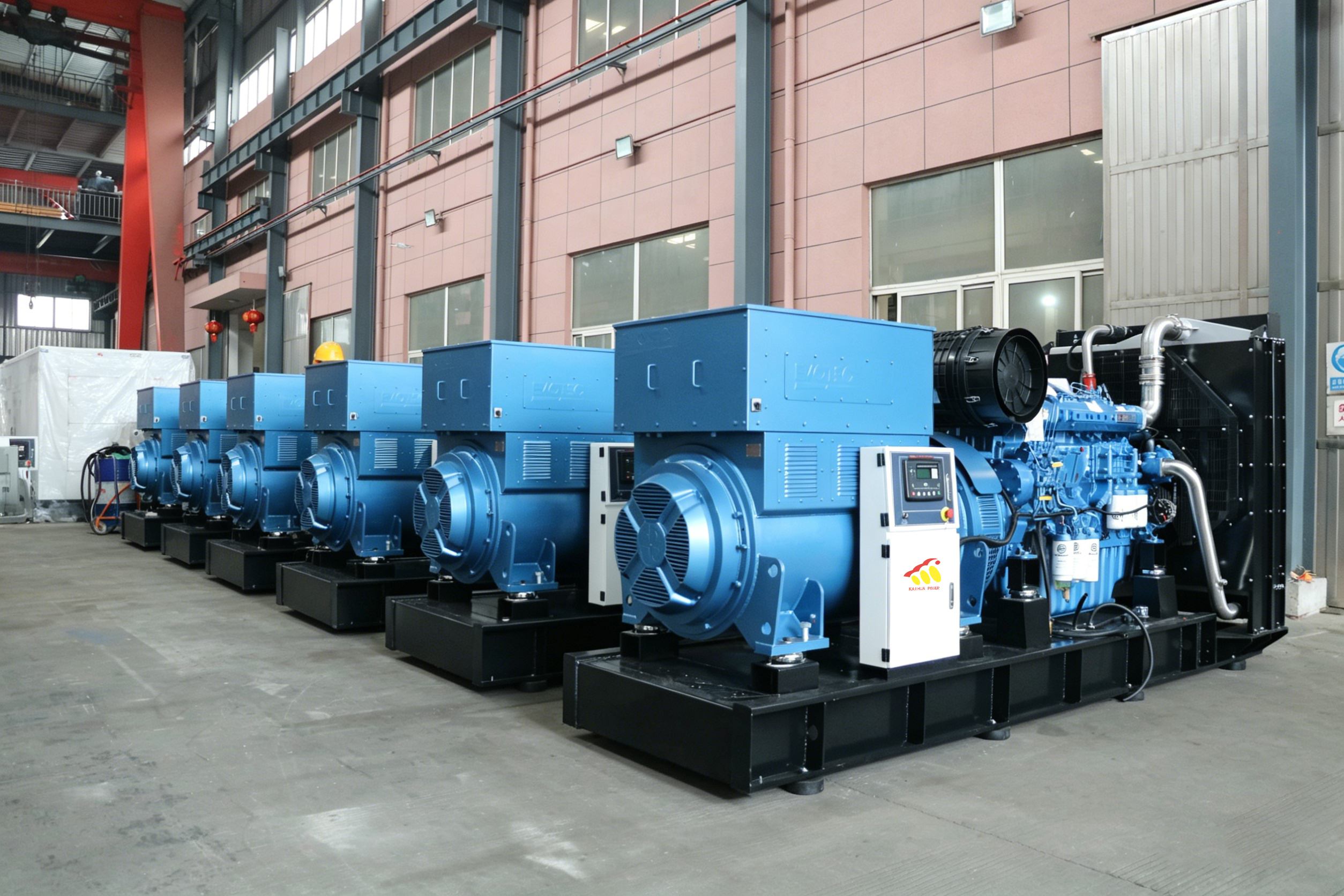
It’s tempting to size a generator solely on the highest recorded peak, but that snapshot rarely tells the whole story. A facility’s daily consumption pattern, with its dips, surges, and steady baseload, has a far greater impact on generator performance and longevity. Matching the machine to this broader load profile prevents the common pitfalls of wet stacking in diesel units or unnecessary cycling that accelerates wear.
Consider a site where a brief, infrequent spike defines the peak, but the generator runs for hours at light load—often below 30% of capacity. That mismatch leads to carbon buildup, increased maintenance, and even premature failure. By mapping out when and how power is actually drawn across a typical day or week, you can choose a generator that operates efficiently across its entire range, not just at one extreme.
In practice, this might mean selecting a unit with a smaller continuous rating but better fuel efficiency at part load, or adding energy storage to handle transient peaks while the generator covers the steady average. The goal is a setup where the generator runs in its sweet spot, minimizing fuel waste and service calls. A thorough load-profile analysis pays off in reliability and total cost of ownership—far beyond what a single peak number can predict.
Uncover the Hidden Costs of Choosing the Cheapest Option
It's tempting to grab the lowest price on the shelf, convinced you've outsmarted the system. But what looks like a steal often unravels later, revealing expenses you never budgeted for. Think about that bargain gadget that breaks down after a few uses—suddenly you're paying for repairs or replacements, and the real total climbs past what a sturdier option would have cost in the first place. The initial savings vanish into a cycle of patch-ups, and the frustration might just be the priciest part of all.
Beyond the obvious durability trap, there's the silent drain on your time and energy. The cheapest software with glitchy interfaces steals hours of productive work, while the discount furniture that demands constant tightening eats into your weekends. Time isn't money—it's more valuable, because you can't make more of it. And then there's the ripple effect: cheap materials that compromise safety, or thin fabrics that leave you shivering, forcing you to crank up the heating. These costs don't appear on receipts, but they add up in discomfort and inconvenience.
Sometimes the real sting is in what you didn't get—the missing features, the absent support, the quality that never existed. A budget service might solve the immediate problem but leave you stranded when something goes wrong, with no help in sight. Upfront sticker prices are master illusionists; they distract you from the full picture. Next time you're weighing options, ask yourself: what's the long game? Because the cheapest choice isn't always the one that costs the least.
Dig Into a Vendor’s Track Record Without Getting the Sales Pitch
You don’t need another polished case study or a curated reference call to judge a vendor’s actual performance. Start by mapping out the entire lifecycle of their past projects—not just the wins they brag about, but the stumbles they’d rather forget. Industry forums, regulatory filings, and even job boards can reveal patterns: rapid churn in key roles, unresolved disputes, or recurring technical debt. These breadcrumbs, when pieced together, often tell a sharper story than any slide deck ever could.
Pay attention to the quiet signals that emerge when a vendor isn’t controlling the narrative. Reach out to peers in adjacent industries who may have crossed paths with them, or dig into public contract databases to see how their pricing and timelines actually held up. You’ll frequently discover that the most honest feedback comes from former employees and long-forgotten pilot projects, not from the testimonials carefully placed on their website. It’s this off-the-record, unfiltered intel that reveals whether a vendor’s track record is built on substance or just well-packaged mediocrity.
Assess Service and Support as If Your Operation Depends on It
When your business runs on tight margins and relentless competition, service and support aren't just departments—they're the lifeline that keeps customers coming back. Every interaction, whether a frantic midnight call or a casual chat inquiry, leaves a mark. If you aren't scrutinizing those moments as if your next quarter depended on them, you're already falling behind. The companies that thrive are the ones that dissect every support ticket, every follow-up email, and every pause on the phone, hunting for the subtle friction that erodes loyalty. It's not about chasing perfection; it's about refusing to let indifference become your brand.
A surface-level check of response times and resolution rates won't cut it. You need to dig into the emotional residue left after an interaction. Did your support team make someone feel heard, or merely processed? Did a clumsy refund experience turn a one-time buyer into a vocal critic? Real assessment means shadowing your frontline staff, reading between the lines of survey comments, and even mystery-shopping your own channels. It's uncomfortable work—like holding up a mirror that shows every wart—but it surfaces the blind spots that spreadsheets can't capture. When you evaluate service as if your operation hinges on it, you stop tolerating the small, corrosive habits that gradually hollow out customer trust.
This obsessive focus on support quality creates a flywheel effect. As you weed out friction points, not only do customers stick around longer, but they also become quieter, more confident partners—less likely to bombard you with repetitive issues. Your team, in turn, spends less time firefighting and more time solving interesting problems, which lifts morale and sharpens expertise. Over time, that investment compounds into a reputation that attracts customers who value reliability over rock-bottom pricing. So while competitors scramble for quick wins, you'll have built a moat made of genuine care—a moat that doesn't wash away when algorithms or ad budgets change.
Decide Between a Boxed Solution and Something Built for You
When your team outgrows off-the-shelf tools, the real question becomes whether you need a quick, standardized fix or a system that mirrors your unique workflows. Boxed solutions promise immediate productivity with minimal setup, but they often force you to adapt your processes to their constraints. Custom-built options, on the other hand, give you the freedom to shape every feature around your actual needs—at the cost of higher upfront investment and longer delivery timelines.
The decision rarely comes down to a simple pros-and-cons list. Consider how much your current operations deviate from industry norms. If you’re constantly fighting the limitations of a one-size-fits-all platform, a tailored solution could eliminate hidden inefficiencies that drain time and morale. Yet, if your requirements are standard and your team values predictability, a mature boxed product might keep you agile without the maintenance burden.
Ultimately, weigh not just the price tag but the opportunity cost of each path. A built-for-you system can become your competitive moat, evolving alongside your business, while a packaged tool might trap you in a cycle of workarounds. Think long-term: the right choice isn’t about what works today, but what will still serve you when your most ambitious plans turn into reality.
FAQ
Start with their track record in your specific industry. A vendor who has supplied hospitals or data centers, for example, will understand critical uptime requirements better than one focused on intermittent use. Check their project portfolio and ask for case studies that mirror your power demands.
Look beyond the spec sheet. Request a site visit to see units in operation or ask for a live demo. Pay attention to the build materials, welding quality, and how they handle load testing. A confident vendor will be transparent about their testing procedures and may even let you witness a factory acceptance test.
Even the best generator is only as reliable as the service behind it. A local partner can offer faster emergency response, stock region-specific spare parts, and understand local regulations and fuel quality issues. A global brand with no local presence often means longer downtime during a crisis.
Ask about their post-installation services, including maintenance contracts, remote monitoring capabilities, and their escalation process for unresolved issues. Also, inquire about their training programs for your staff—vendors committed to long-term care will invest in your team’s ability to handle basic troubleshooting.
Create a total cost of ownership comparison that includes fuel efficiency, expected lifespan, maintenance intervals, and warranty terms. A cheaper upfront cost often hides higher fuel consumption and more frequent part replacements. Request lifetime cost projections from each vendor to make an informed comparison.
Be wary of vendors who avoid discussing failure rates, don't provide clear warranty terms in writing, or can't supply local references. Also, pushy sales tactics with limited-time discounts or overpromising on delivery dates are signs they might prioritize closing a deal over delivering genuine value.
Yes, especially if your load profile varies significantly or future expansion is likely. Modular setups allow you to run fewer units during low demand, improving fuel economy, and make servicing easier without total power loss. Ask the vendor to model your load profile and propose the optimal configuration, whether it’s a single unit or paralleled smaller sets.
Vital, as non-compliance can lead to fines or forced downtime. The right partner will guide you through local EPA or equivalent standards, help with permits, and suggest engine technologies like selective catalytic reduction if needed. Their expertise should keep you ahead of tightening emission rules without overspending on unnecessary upgrades.
Conclusion
When selecting a diesel generator set vendor, it’s tempting to compare spec sheets and pick the lowest bid, but that approach misses what actually keeps your power on. Look beyond glossy numbers and dig into the engineering culture behind the product—how they handle transient response, cooling design, and component margins. Match the generator not just to peak kW, but to your everyday load profile, because chronic underloading can cause wet stacking and accelerated wear that no data sheet will warn you about. Equally important is peeling back a vendor’s true track record: request failure histories, talk to long-term users in similar applications, and notice whether they volunteer details or just recycle sales pitches.
What looks like a bargain often carries hidden costs—freight, commissioning, spares kits, and the downtime from a thin support network. Assess service as if your operation depends on it, because it does. Can they dispatch a technician who actually knows your model, not just a generic call center? Do they have parts on the shelf, not in a distant warehouse? Finally, weigh a standard packaged unit against a customized solution that respects your site’s real constraints: noise ordinances, space, altitude, and maintenance access. The best partner sells more than a machine; they deliver a power system shaped around your reality, backed by people who show up when things go wrong.
Contact Us
Contact Person: Ms. Lu
Email: [email protected]
Tel/WhatsApp: 8618917899306
Website: https://www.hichaipower.com