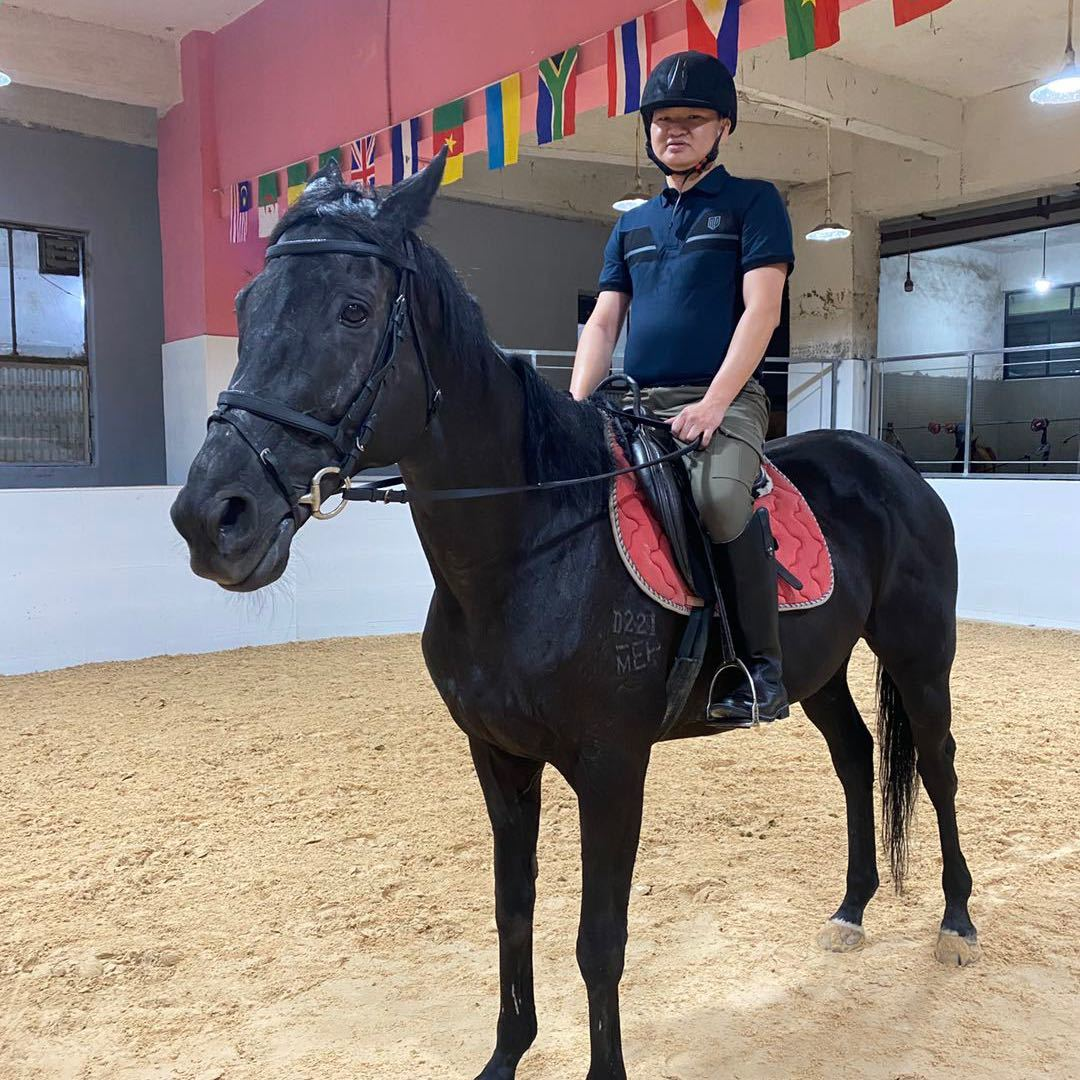

Equestrian Leggings Export Opportunities for Riding Apparel Suppliers
2026-10-12
The global equestrian apparel market is quietly shifting gears, and riding leggings are leading the charge. For suppliers who’ve been focused on traditional breeches, the export window for technical, fashion-forward equestrian leggings is wider than ever. Buyers in Europe and North America are hunting for moisture-wicking fabrics, silicone grip patterns, and waistbands that actually stay put during long hours in the saddle. That’s where OpeEquestrian enters the picture—not just as another label, but as a manufacturing partner that understands fit, durability, and the small details riders notice. We’re unpacking the export opportunities, tariff considerations, and buyer expectations that could reshape your order book.
Where the Demand for Riding Tights Is Quietly Outpacing Supply
The quiet surge in demand for riding tights is not where you'd expect—it's not the show circuits of Wellington or the dressage arenas of Europe. Instead, it's happening in suburban training barns and amateur lesson programs, where riders who never compete are suddenly buying technical tights at a pace that has caught suppliers off guard.
What's driving this? A shift toward casual riding discipline, where the old-fashioned breech feels too formal, and the legging-style tight offers all-day comfort for chores, tacking up, and a quick hack. These buyers don't follow fashion seasons; they buy when their current pair wears out, which is often, because they live in them. Retailers are noticing repeat purchases within weeks, not months, and inventory models built around show-season spikes are failing to predict the steady, unglamorous demand.
The result is a mismatch: factories planned for seasonal runs, but the tights disappear from shelves in mid-July, mid-November, and even late January. Small tack shops have started keeping informal waitlists, and some are rationing popular sizes. No one is making headlines about it—there's no shortage of drama, just a persistent, low-grade understock that tells you this niche has outgrown its supply chain.
Why Breeches Loyalists Are Swapping to Leggings in the Saddle
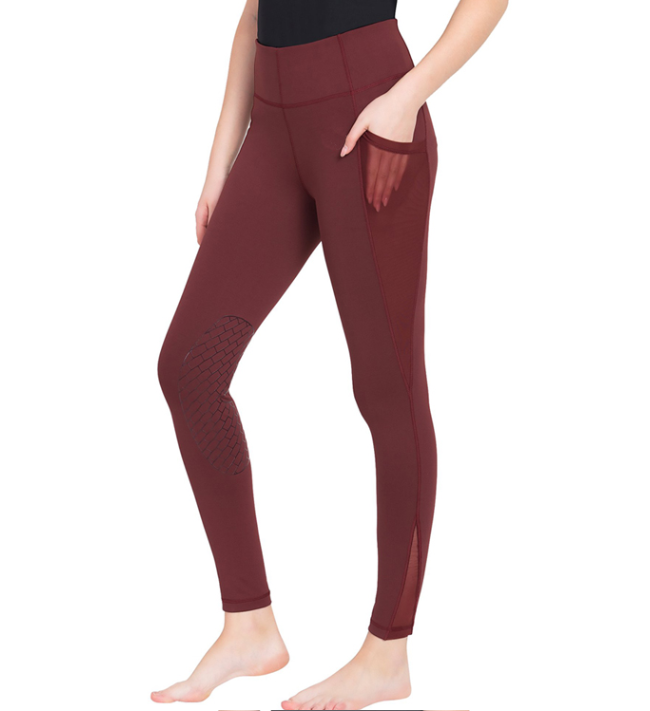
For years, breeches were the only thing that felt right in the saddle—structured, traditional, with just enough grip to keep your leg quiet over fences. But the pull of a full-seat silicone legging is hard to ignore once you've tried it. There's no pinching waistband, no stiff fabric bunching behind the knee. Instead, the material moves like a second skin, which matters when you're posting the trot or sinking into a deep dressage seat.
The swap also comes down to real life. Leggings slide from barn to feed store to coffee run without looking like you left the ring. Add a pocket that actually holds a phone, and the old knee-patch breeches start to feel like a compromise. Loyalists aren't abandoning tradition—they're just choosing less to fight at the mounting block.
Import Rules That Catch First-Time Equestrian Exporters Off Guard
One of the first surprises is that the destination country's import permit often needs to be secured before any veterinary work begins, and its validity window dictates the entire timeline. A first-time exporter might assume a health certificate and negative Coggins test are enough, only to find the receiving country requires a permit with a narrow ten-to-fourteen-day validity for the final health inspection, forcing a tight choreography between the vet, the shipper, and the quarantine facility. Missing that window can reset the whole process.
Quarantine and testing requirements also tend to be more layered than expected. While exporters plan for a basic pre-export isolation, many destinations require specific residency periods on a registered premises, additional blood tests like equine infectious anemia, piroplasmosis, or glanders depending on the route, and post-arrival quarantine that can run from days to weeks. The exact tests often depend on the horse's age, sex, and even breed, and failing one can mean a mandatory retest or outright rejection at the border.
Finally, documentation mismatches trip up newcomers. The horse's passport microchip number must match the health certificate exactly, and some countries require original breed registration papers, proof of ownership transfer, and a customs broker in the destination country before the horse boards the plane. Even minor details like the name on the air waybill or the vet's signature in the wrong color ink can cause a load to be held, turning a routine export into an expensive lesson in administrative precision.
Fabric and Fit Details That Turn One-Time Orders Into Reorders
The base fabric is a midweight cotton-modal blend with a small amount of elastane. We garment-wash every batch before cutting, so the first home wash does not cause shrinking. After several months of weekly wear and washing, the drape stays intact instead of sagging at the elbows and knees.
Fit adjustments start at the shoulder seam, not just the chest measurement. We dropped the armhole by a finger's width and added a slight curve to the back panel, which keeps the hem from riding up when you reach forward. Side seams are taped rather than plain serged, so the shirt does not twist after machine drying.
Those details are what repeat customers notice. Once someone finds a fabric weight and cut that matches their daily routine, they come back for more colors because the fit stays consistent across the line. That consistency is what changes a one-time order into a reorder.
Markets That Actually Pay a Premium for Technical Riding Wear
If you assume every rider is hunting for the cheapest textile jacket, think again. The premium segment doesn't just exist in Milan showrooms or Tokyo tuning shops—it thrives wherever riders treat gear as an extension of their own biomechanics. Sport-touring communities in the Swiss Alps and the Pacific Northwest, for instance, routinely drop four figures on laminated Gore-Tex suits that survive both hailstorms and three-season commutes. These buyers aren't swayed by brand logos alone; they benchmark abrasion resistance, vent placement, and wet-weather ergonomics against their own crash histories.
Another pocket that consistently pays up is the adventure-riding niche in Australia, South Africa, and the American Southwest. Here, riders need armor that doesn't cook them at 45°C and shells that shed red dust after a low-speed drop in gravel. Premium brands with CE Level 2 inserts, adjustable airflow, and field-repairable zippers command loyal followings—not because of marketing, but because a failed seam 300 kilometers from the nearest town is a genuine safety issue. Local riding groups and long-distance rally participants act as unpaid gear testers, and their word-of-mouth sets the price ceiling.
Finally, urban commuters in cities with harsh seasonal swings—Oslo, Calgary, Sapporo—are quietly willing to pay extra for technical layers that transition from bike to boardroom without looking like a cosplay outfit. Breathable waterproof membranes, stealth armor pockets, and merino linings fetch premium prices because these riders wear the gear daily, not just on weekend canyon runs. They value fit and packability as much as impact ratings, and they remember which brands held up after a year of folding jackets under train seats.
Standing Out to Equestrian Retailers Without Sounding Like a Brochure
Retailers in the equestrian space get pitched constantly, and most of those pitches blur together because they read like a features list: moisture-wicking, reinforced stitching, five colourways. If you want to stand out, skip the spec sheet and talk about what actually happens in their store. Mention the mud-caked breeches a customer brought back after a fall, the teenager who saves for months to buy her first show coat, or the barn owner who needs a saddle pad that survives daily turnout. When you speak to those moments, you sound like someone who has mucked out a stall, not someone who just discovered horses via a stock photo.
A practical way to avoid that flat, salesy tone is to lead with a problem you noticed rather than a product you made. Instead of saying “our new line features X,” say “we kept hearing from shops that their dressage customers couldn’t find a show shirt that didn’t gap at the collar.” Then show how you fixed it, briefly, without adjectives like “revolutionary” or “game-changing.” Retailers tune out hype, but they lean in when they hear their own weekly complaints reflected back at them.
Finally, ask a genuine question that shows you respect their expertise. Something like, “Would your clients put up with a bit more break-in time if it meant the leather held its shape longer?” beats a closing line about “unbeatable margins.” Equestrian retailers make decisions based on trust and repeat customers, not just wholesale price. Sound like a fellow horse person who wants to solve a shelf problem, not a rep reading from a laminated sheet.
FAQ
Rising participation in recreational riding and a shift toward athleisure styling have pushed demand beyond traditional breeches. Buyers want leggings that hold up in the saddle but look sharp enough for casual wear, and overseas retailers are actively sourcing suppliers who can blend technical fabrics with modern cuts.
Northern Europe, especially Germany, the Netherlands, and Sweden, leads in volume due to high equestrian participation rates. North America follows closely, driven by dressage and eventing communities. Australia and New Zealand also show steady growth, particularly for durable all-season leggings.
Grip technology—silicone or gel knee patches—is non-negotiable for most buyers. They also look for moisture-wicking fabrics, four-way stretch, reinforced seams, and phone pockets. Increasingly, buyers request eco-friendly materials like recycled nylon without sacrificing abrasion resistance.
Offer customizable grip patterns, inclusive size ranges, and quick sampling with low minimum order quantities. Providing third-party lab test reports for fabric durability and colorfastness builds trust faster than glossy brochures. Some suppliers also add value with matching tops or coordinated sets.
For Europe, REACH restricts certain chemicals in synthetic fabrics and silicone prints. For the US, labeling must meet FTC textile fiber rules, and children's versions may require CPSIA testing. Many buyers expect Oeko-Tex Standard 100 certification as a baseline for skin-contact garments.
It has moved from nice-to-have to a dealbreaker in several markets. Scandinavian retailers often demand traceable recycled content and low-impact dyeing. Suppliers who can document water savings, carbon footprint per unit, or take-back programs gain a clear advantage in negotiations.
Avoid undercutting by ignoring compliance and logistics costs. Factor in duty rates under Harmonized System codes for athletic wear, plus freight and insurance. Many successful suppliers quote in FOB terms but also provide DDP options for smaller boutique buyers who want predictable landed costs.
Conclusion
Riding tights have quietly outgrown their reputation as a casual alternative. In several export markets, demand now exceeds what regional makers can supply, and that shortage is pushing buyers toward overseas suppliers faster than many realize. Riders who spent years loyal to traditional breeches are switching, often mid-season, because a well-cut legging offers more freedom in the saddle and a more forgiving fit during long barn days. That shift changes what retailers need from a supplier: not just a product that looks like a legging, but one that holds up under daily abuse, keeps its shape, and arrives with consistent sizing that makes reordering simple.
First-time exporters tend to trip on import formalities rather than the garment itself. Rules covering fibre content, care labels, and even seam placement differ from country to country, and a small mismatch can leave a shipment sitting in customs for weeks. The suppliers who earn repeat orders are the ones who obsess over functional details: a waistband that does not roll, a pocket deep enough for a phone, fabric that resists pilling after repeated washes. There are also regions where riders willingly pay a premium for technical features like moisture wicking and abrasion resistance, especially in colder climates and competitive disciplines. When reaching out to equestrian retailers, the suppliers who stand out are those who talk about solving rider problems and improving fit, not those who send another generic catalogue with a list of colours and vague quality claims.
Contact Us
Contact Person: Keven Tong
Email: [email protected]
Tel/WhatsApp: +86 18666477707
Website: https://www.ope-technology.com