
Ethanolamine Essentials: Top Applications and Innovations in Modern Industry
2026-03-09
In the ever-evolving landscape of modern industry, ethanolamine stands out as a versatile chemical with a profound impact across diverse sectors. From enhancing agricultural yields to revolutionizing manufacturing processes, its applications continue to shape innovations that drive efficiency and sustainability. As we delve into the top uses and cutting-edge advancements, discover how ethanolamine is transforming industries worldwide. At the forefront of this progress is POLYKEM, a leader in providing high-quality solutions that harness the potential of ethanolamine. Join us as we explore the essentials, uncovering insights that could redefine your approach to industrial challenges.
Ethanolamine's Role in Industrial Surfactants and Cleansing Agents
Ethanolamine, often overlooked in chemical formulations, plays a surprisingly versatile role in the production of industrial surfactants and cleansing agents. Unlike simpler compounds, its unique molecular structure allows it to act as both an emulsifier and a pH adjuster, crucial for creating stable mixtures that cut through grime in heavy-duty applications. For instance, in automotive degreasers, ethanolamine helps surfactants cling to oily surfaces, ensuring thorough cleaning without leaving residues. This dual functionality makes it a workhorse in industries ranging from manufacturing to agriculture, where efficiency and reliability are paramount.
What sets ethanolamine apart from alternatives like sodium lauryl sulfate is its ability to form gentle yet effective formulations, particularly in alkaline-based cleaners. It enables surfactants to maintain their foaming and wetting properties even in harsh conditions, such as high temperatures or variable water hardness. In textile processing, this means fabrics can be cleaned without damaging fibers, while in metalworking, it prevents corrosion during degreasing steps. This adaptability reduces the need for multiple additives, streamlining production and lowering costs for manufacturers seeking sustainable solutions.
In modern applications, ethanolamine's role extends beyond basic cleaning to enhance biodegradability and safety profiles. By modifying surfactant chains, it helps create products that break down more easily in the environment, aligning with green chemistry trends. For example, in household detergents, ethanolamine-based surfactants can be formulated to be less irritating to skin while maintaining strong grease-cutting power. This balance of performance and eco-friendliness makes it a favorite among formulators aiming to meet stringent regulatory standards without compromising on effectiveness.
Innovations in Ethanolamine-Based Pharmaceutical Intermediates
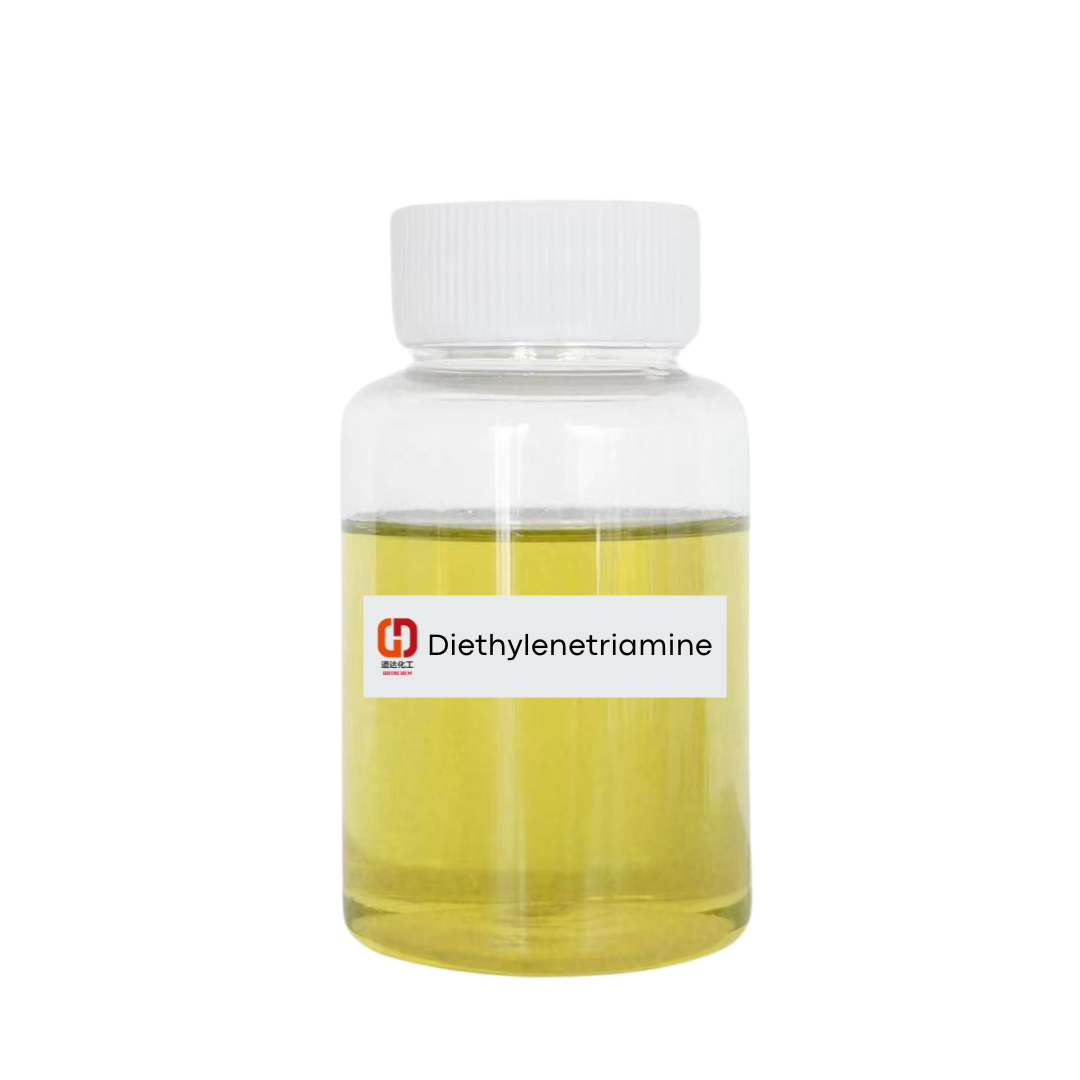
Recently, there has been a wave of advancements in the use of ethanolamine-based compounds as key intermediates in pharmaceutical manufacturing. Researchers are developing novel synthetic pathways that enhance the efficiency and sustainability of producing these versatile molecules. For instance, innovative catalytic methods now allow for more selective reactions, reducing waste and improving yields in the synthesis of active pharmaceutical ingredients (APIs) like antihistamines and anticancer drugs. These breakthroughs not only streamline production processes but also open doors to new therapeutic possibilities, making ethanolamine derivatives more accessible and cost-effective for drug development.
Moreover, the focus on green chemistry has spurred innovations in the design of ethanolamine-based intermediates to minimize environmental impact. Companies are adopting solvent-free reactions and bio-based starting materials to create these compounds, aligning with global sustainability goals. This shift not only reduces the carbon footprint of pharmaceutical manufacturing but also enhances the safety profile of the intermediates, crucial for regulatory compliance. As a result, ethanolamine derivatives are becoming preferred building blocks in complex drug syntheses, supporting the development of more environmentally friendly and economically viable pharmaceutical products.
Beyond traditional applications, emerging trends include the integration of ethanolamine-based intermediates in cutting-edge drug delivery systems and personalized medicine. Innovations in structure-activity relationships are enabling the creation of customized intermediates with targeted properties, such as improved bioavailability or reduced side effects. For example, modified ethanolamine compounds are being used in novel formulations for sustained-release medications and in the synthesis of next-generation biologics. This forward-looking approach highlights how these intermediates are not just passive components but active contributors to the evolution of modern healthcare, fostering innovation across the pharmaceutical landscape.
Enhancing Crop Protection with Ethanolamine Formulations
Ethanolamine formulations offer a compelling alternative in modern agriculture, blending surfactant properties with eco-friendly characteristics. These chemicals enhance pesticide efficacy by improving spray coverage and adhesion on plant surfaces, ensuring better penetration into pests' systems. Farmers increasingly rely on such solutions to combat resistance issues and reduce overall chemical usage, aligning with sustainable farming practices.
Beyond their functional benefits, ethanolamine-based products demonstrate versatility across various crops, from cereals to fruits. Their ability to act as adjuvants in formulations allows for tailored applications, addressing specific regional pest challenges. This adaptability has sparked interest among agronomists seeking cost-effective and environmentally conscious alternatives to traditional protectants.
Recent innovations focus on optimizing ethanolamine blends with natural extracts, minimizing potential runoff and soil contamination. Field trials indicate these advanced formulations not only safeguard yields but also support long-term soil health. As regulatory pressures mount, such developments position ethanolamine technologies as a cornerstone of next-generation crop protection strategies.
Ethanolamine's Impact on Advanced Gas Purification Technologies
In the realm of gas purification, ethanolamine has carved out a niche as a versatile solvent, particularly in advanced technologies that tackle complex mixtures like natural gas or industrial flue gases. Unlike simple physical scrubbers, ethanolamine's chemical reactivity allows it to selectively remove acidic contaminants such as carbon dioxide and hydrogen sulfide through reversible absorption, enabling systems to operate at higher efficiencies and lower energy inputs. This adaptability has spurred innovations in process design, including modular systems and hybrid approaches that integrate ethanolamine with membrane or adsorption units, pushing the boundaries of what's achievable in environmental compliance and resource recovery.
One of the standout impacts lies in ethanolamine's role in enhancing the sustainability of gas purification processes. As regulatory pressures mount and industries seek greener alternatives, ethanolamine-based methods offer a pathway to reduce emissions without drastically overhauling infrastructure. For instance, in carbon capture and storage (CCS) applications, optimized ethanolamine formulations help lower operational costs and energy penalties, making large-scale deployment more feasible. This not only mitigates climate effects but also opens avenues for valorizing captured gases, turning waste into raw materials for other processes.
Looking ahead, ethanolamine continues to influence cutting-edge research, driving developments in materials science and process intensification. Engineers are tweaking ethanolamine blends to improve stability under harsh conditions or integrate with renewable energy sources, fostering systems that are both robust and scalable. By bridging traditional chemistry with modern engineering, it ensures that gas purification remains a dynamic field, capable of meeting evolving industrial and environmental demands.
Sustainable Applications in Green Chemistry and Bio-based Production
Green chemistry pushes the boundaries of sustainable innovation by developing processes that prioritize safety and environmental health. It transforms chemical manufacturing to reduce waste and toxicity, using principles like designing safer chemicals and renewable feedstocks. For instance, the shift toward water-based solvents in industrial applications minimizes hazardous emissions and energy consumption, offering cleaner alternatives to traditional petrochemical methods. This approach fosters a circular economy where products and processes work in harmony with ecological systems.
Bio-based production stands at the forefront of this movement, turning biological resources into valuable materials. By utilizing microbes, plants, and algae, industries can create biodegradable plastics, biofuels, and pharmaceuticals with a smaller carbon footprint. Unlike fossil fuel reliance, this taps into nature's regenerative capacity, making supply chains more resilient. Innovations like fermentation-based chemical synthesis are not only eco-friendly but often more cost-effective in the long run, driving sustainable growth across sectors from agriculture to cosmetics.
Together, these fields are reshaping industries by embedding sustainability into product lifecycles. From smart packaging that decomposes naturally to enzymes that replace harsh catalysts in textiles, real-world examples highlight their impact. This convergence encourages collaboration between scientists and businesses, leading to practical solutions that address global challenges—like pollution and resource depletion—with creativity and foresight.
Emerging Trends in Ethanolamine for Personal Care and Cosmetics
In recent formulations, ethanolamine derivatives are increasingly favored for their ability to act as gentle yet effective surfactants and pH adjusters. Manufacturers are leaning toward these compounds due to their low irritation potential and biodegradability, which align with growing consumer demands for sustainable and eco-friendly beauty products. This shift is not just about performance; it reflects a broader industry movement toward ingredients that are both safe for users and kind to the environment.
Innovation in ethanolamine applications is driving the development of multifunctional cosmetics, such as those that combine cleansing with moisturizing benefits. For instance, some new serums and lotions incorporate ethanolamine-based compounds to stabilize formulas while enhancing skin compatibility. This trend highlights how these ingredients are being leveraged to create tailored solutions that address specific skin needs, moving beyond traditional roles to offer synergistic effects in advanced product lines.
The rising popularity of ethanolamine in personal care is also fueled by its versatility in natural and organic cosmetics. Brands are exploring ways to integrate these derivatives into cleaner formulations, often pairing them with botanical extracts to boost efficacy without compromising purity. This approach not only meets regulatory standards but also resonates with consumers seeking transparent, high-quality options, positioning ethanolamine as a key player in the future of cosmetic innovation.
FAQ
Ethanolamine finds broad application as a versatile chemical, primarily serving as an intermediate in producing emulsifiers, detergents, and pharmaceuticals, with its key role in gas scrubbing to remove acidic impurities like CO2 and H2S from industrial streams.
Recent advancements highlight ethanolamine's use in carbon capture technologies, where it acts as an efficient absorbent in amine-based solutions, reducing greenhouse gas emissions and supporting circular economy models through renewable synthesis routes.
In agriculture, ethanolamine derivatives function as effective surfactants and dispersants in herbicides and pesticides, improving formulation stability and absorption, while also aiding in pH adjustment for nutrient solutions in hydroponic systems.
Its amphoteric nature allows ethanolamine to act as a pH balancer and emulsifier in shampoos, soaps, and lotions, providing mildness and skin compatibility, with innovations focusing on bio-based variants for eco-friendly products.
Yes, ethanolamine is gaining traction in synthesizing nanomaterials and conductive polymers, enabling flexible electronics and energy storage devices, and its derivatives are explored in corrosion inhibitors for metal coatings.
The presence of both amine and alcohol groups in its structure allows for diverse reactions, facilitating customization in pharmaceuticals, textiles, and water treatment, while ongoing research targets novel catalysts and process optimizations for cost-efficiency.
Conclusion
Ethanolamine has established itself as a versatile compound with diverse industrial applications, playing a crucial role in surfactants and cleansing agents where it enhances solubility and effectiveness. In pharmaceuticals, innovations in ethanolamine-based intermediates are driving advancements in drug synthesis, improving bioavailability and safety. The agricultural sector benefits from ethanolamine formulations that boost crop protection, offering sustainable solutions for pest and disease management. Additionally, ethanolamine’s impact on gas purification technologies is notable, where it aids in removing impurities like carbon dioxide and hydrogen sulfide, supporting cleaner industrial processes.
The compound’s relevance extends to green chemistry and bio-based production, fostering eco-friendly alternatives that reduce environmental footprints. Emerging trends in personal care and cosmetics highlight ethanolamine’s use in formulating gentle, effective products, aligning with consumer demand for natural ingredients. Overall, ethanolamine’s adaptability across these sectors underscores its importance in modern industry, driving innovation and sustainability while meeting evolving market needs in a dynamic global landscape.
Contact Us
Contact Person: Levi
Email: [email protected]
Tel/WhatsApp: +86 532 84688720
Website: https://www.polykem-intl.com