
Fashion Lanyard Factory Secrets to Designing Lanyards People Actually Want to Wear
2026-11-18
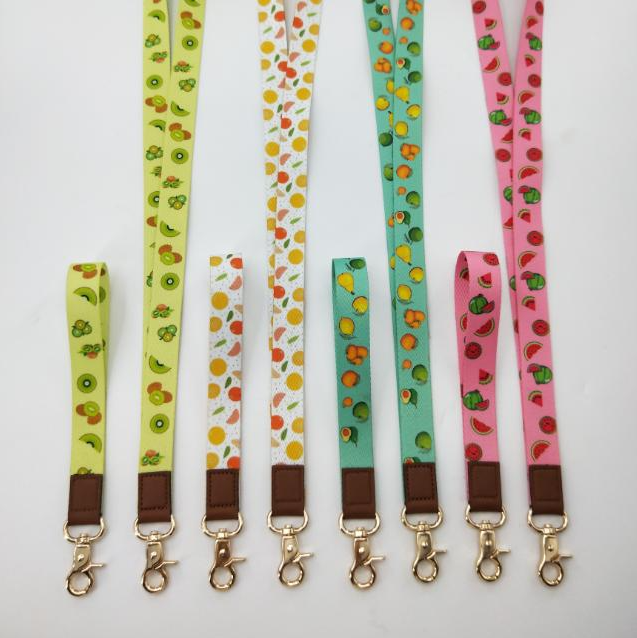
The lanyard has a reputation problem. Too many are scratchy, cluttered, and quietly thrown away before lunch. But a few get kept—snapped onto keys, reused at the next show, even asked about by strangers. Those aren't luck. They're the result of specific design moves that most factories ignore. At DONGCHUANG, we treat lanyards as small fashion pieces, not badge holders. Here's what we've learned about making lanyards people actually want to wear.
Why Most Lanyards End Up in a Drawer
Most lanyards are chosen for visibility, not for how they feel after an hour against your neck. The fabric is often stiff, the edges rub, and the metal clip digs in just enough to become annoying. Because they usually arrive free in a welcome packet or get handed out at a booth, they never earn that small sense of attachment we give to things we actually picked for ourselves.
Then there is the mismatch problem. A bright strap covered in someone else's logo rarely fits the rest of what you wear, so it starts to feel like a leftover from an event rather than something useful. Once the conference or trade show ends, the lanyard loses its only job, and the easiest place for it is the nearest drawer, where it tangles with old chargers and forgotten pens.
The Fabric Feel Test Nobody Talks About
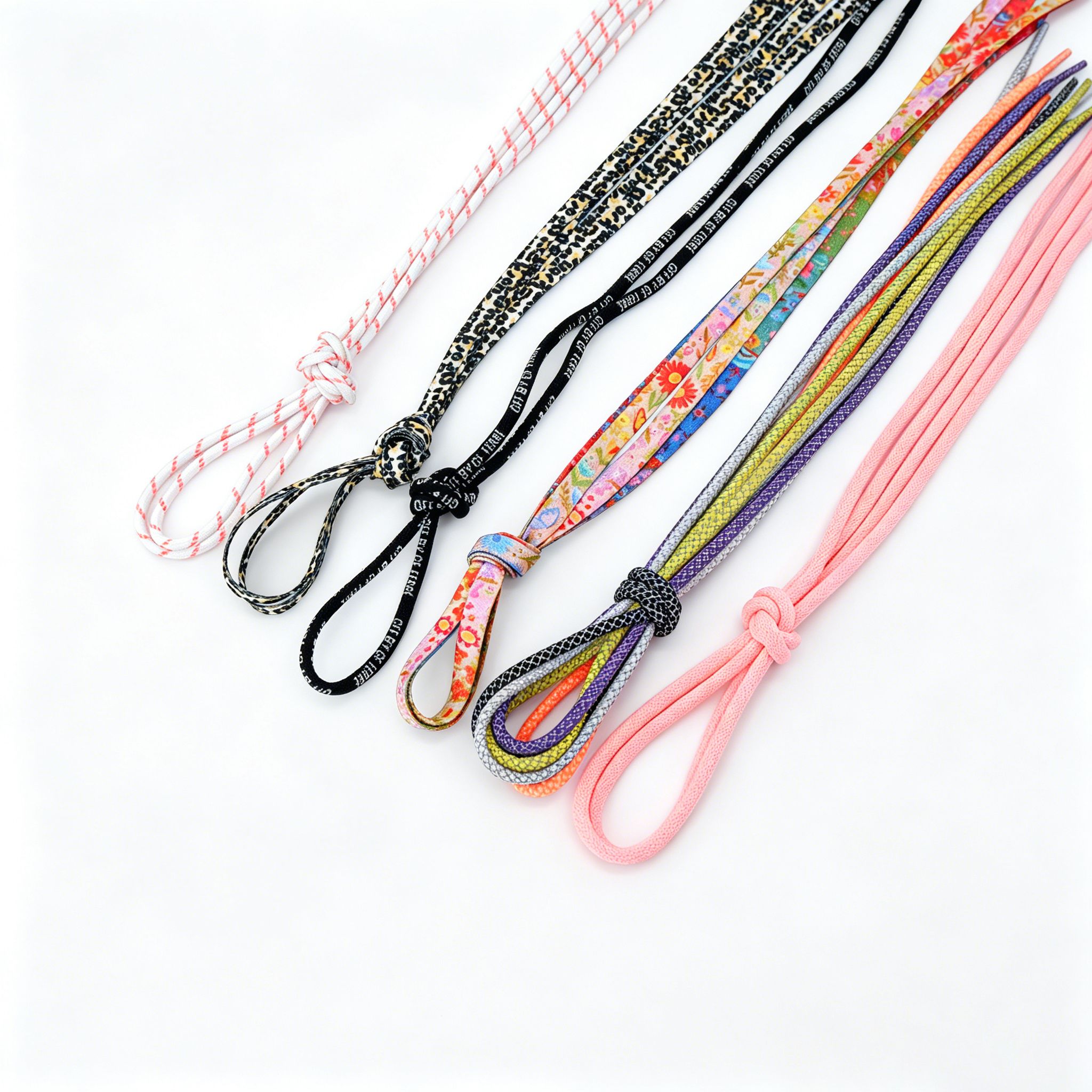
Most people judge fabric by running a palm across the surface once, but the real information shows up when you close your eyes and drag the back of your hand slowly over the weave. A decent cotton feels cool for a split second, then warms against the skin without turning sticky. Cheap blends tend to stay slick in a way that has nothing to do with softness and everything to do with a slight plastic drag.
The second part is less about touching and more about what happens after you crush the cloth in your fist. Good linen holds a crease with a kind of relaxed memory, while stiff synthetics either snap back too fast or stay folded like a cheap napkin. Letting the fabric settle on its own tells you whether it will breathe with movement or fight against it.
What rarely gets mentioned is the sound. Rubbing two edges of a fabric together gives wool a low, grainy hush, while nylon produces a sharper, almost tinny scratch. Combined with how the material responds to heat, creasing, and slow friction, that small detail usually says more than the fiber label ever does.
Hardware That Doesn’t Scream “Conference Badge”
Most event hardware is stuck wearing a lanyard-shaped label even when it leaves the expo floor. This piece takes a different route: the enclosure reads more like a minimalist personal gadget than a disposable name tag. The edges are rounded just enough to sit flat against a shirt pocket, and the finish is matte rather than glossy, so it doesn't catch overhead lighting the way cheap plastic badges do.
The attachment system avoids the usual dangling clip. A slim magnetic backplate lets it mount through thin fabric without poking holes, while an optional loop slides onto a jacket zipper for people who want it visible but not obvious. The result is something you can wear into a coffee shop after the keynote without feeling like you're still advertising a sponsor booth.
Even the display stays quiet when it should. Notifications appear as soft edge lighting behind a dark face, and the default screen shows only a subtle monogram or a blank surface until a session is near. That restraint makes the hardware feel less like a temporary credential and more like a small, considered object that happens to know where your next talk is.
Making the Print Survive More Than Two Weeks
A print usually fails early because of small, avoidable habits: bare fingers on the image area, bright window light, or being slid into an unlidded box. Lift it by the edges, keep a clean flat spot ready, and don't stack loose prints under heavier objects.
Storage is what gives a print its next two weeks and the months after. Use acid-free tissue or polyester sleeves instead of basic plastic folders, and keep everything flat in a room where temperature and humidity don't swing sharply. A closet on an interior wall tends to beat a shelf near glass, a bathroom, or a radiator.
When you want it on display, frame it with a mat and UV-filtering glazing so the paper isn't stuck against the glass. Rotate the original out of bright light after a couple of weeks and hang a scan or reprint in its place. That habit extends the life of the original more than any adhesive spray or laminate will.
Designing for Outfits, Not Just Events
Most wardrobe mistakes happen when a piece is bought with one occasion in mind and then has nothing to talk to in the closet. Designing for outfits shifts the starting point: a jacket, a skirt, or a pair of trousers earns its place only if it can move through several combinations without feeling forced. That means thinking about silhouette, texture, and color as part of a larger conversation instead of treating each garment like a solo performance.
The practical difference shows up in small choices. A shirt with a slightly relaxed shoulder can sit under a blazer for a dinner or open over a fitted tank on a weekend. Trousers cut to hit at the ankle work with heels, loafers, and boots, so the outfit changes without the item losing its character. When the design allows room for those shifts, the value of the piece multiplies before a single accessory is added.
That approach also leaves more room for personal style. Instead of relying on a prescribed look for a wedding, a meeting, or a trip, you end up with a set of pieces that bend toward your habits. The goal is not a smaller wardrobe by rule, but a more useful one, where almost nothing waits for a rare occasion to justify itself.
The Quiet Return of the Wearable Accessory
The comeback is easy to miss because it doesn't arrive with a keynote. It shows up in the things people already wear: a narrow band that tracks sleep but never lights up with a message, a ring that logs movement without a screen, an old digital watch pulled from a drawer because it sits well against a linen shirt. None of these objects are trying to replace a phone. They simply add a quieter layer of awareness to the day.
What's shifted is the order of priorities. These pieces lean decorative first, functional second. A matte black ring might track heart rate, but most people read it as jewelry. A woven bracelet with a hidden pedometer feels closer to a small ritual than a dashboard. That movement from display to texture makes the trend easy to overlook and surprisingly easy to wear.
Restraint carries its own kind of status here. A device that doesn't buzz during dinner, doesn't interrupt a conversation, and still keeps a light record of movement suggests a deliberate simplicity. It's less about optimizing every metric and more about letting technology sit quietly on the body—present, but not demanding.
FAQ
The quickest shift comes from hardware and texture. Replacing a glossy plastic lobster clasp with a matte metal or soft-touch buckle changes the way people read the whole strap. A slightly narrower width and a muted woven pattern also make it feel closer to a bracelet or bag strap than a convention tag.
Steer clear of oversized logos and shiny polyester ribbon. Tonal branding, woven labels, or a small debossed mark feel more deliberate. If the strap can pair with normal street clothes instead of only a branded polo, it stops screaming freebie.
Soft woven polyester or recycled PET with a lightly brushed finish tends to sit comfortably without itching. Nylon is durable but can feel slick and stiff, while cotton looks relaxed but stains quickly. The edge finish matters too: folded or tubular weaves reduce that sharp rubbing sensation around the neck.
Width affects drape, comfort, and how much visual weight the logo carries. Wide straps often read as corporate or bulky, while very thin straps can dig into the skin. A range around 10 to 15 millimeters usually keeps the piece wearable for hours without turning into a billboard.
A detachable clip, a slim card pocket, or colors that match everyday jackets all help. When the branding is quiet and the function is useful, the lanyard becomes part of someone's daily carry instead of another drawer item.
Put trend colors in small accents like stitching, a pull tab, or a clip rather than across the whole strap. A neutral base keeps the piece wearable longer, while the accent can refresh the line without forcing a full redesign every season.
Heavy printed panels that crack, stiff heat transfers that peel, and large metal rings that catch on jackets are the usual failures. Woven jacquard patterns, laser-etched hardware, and silicone debossing hold up better and stay flexible through daily movement.
Hide the breakaway at the back of the neck or use a magnetic release tucked under the fabric fold. The safety function remains, but the lanyard no longer looks like a piece of utility gear with a visible plastic joint.
Conclusion
Most lanyards fail because they are designed to be free giveaways, not something you would choose to put around your neck. The fabric usually feels like cheap polyester webbing that irritates skin after a few hours, and the hardware is clunky chrome that immediately labels the wearer as an attendee rather than a person with taste. A better starting point is to run a simple hand test: if the strap does not feel closer to a soft cotton belt or broken-twill tape, it will probably end up buried with old chargers. Matte black or gunmetal clips, slim profiles, and detachable ends make the whole thing read more like a small leather-goods accessory than a conference badge holder.
Durability has to be considered from the first sample, not added later. Dye-sublimation into the weave or stitched woven labels keeps graphics visible after daily use, while thick surface prints tend to crack within two weeks. The bigger shift is treating the lanyard as part of an outfit rather than event merch. Muted color blocks, narrow repeats, and patterns that sit quietly against a shirt turn it into a wearable layer instead of a walking billboard. That change explains why the accessory is quietly coming back: people are not looking for another branded strap, they are looking for a small detail that holds their keys, their ID, and their style together without shouting.
Contact Us
Contact Person: Bill Huang
Email: [email protected]
Tel/WhatsApp: 8613829102720
Website: https://www.dclanyard.com