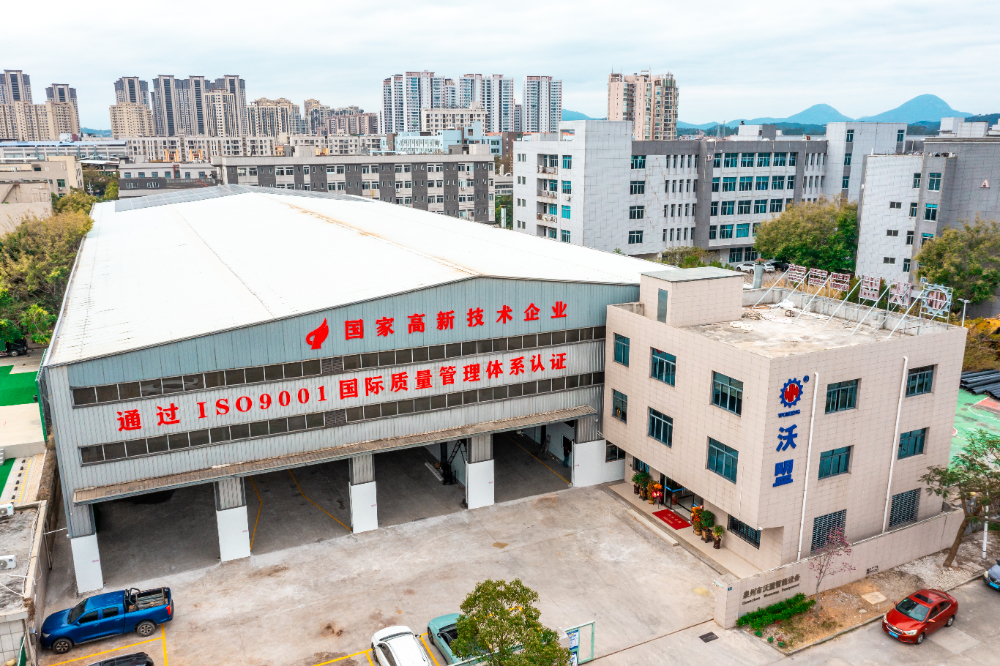

Full Servo Diaper Making Machine: Revolutionizing Manufacturing with Precision Automation
2026-02-27
In the fast-paced world of manufacturing, precision and efficiency are paramount. The Womeng Full Servo Diaper Making Machine stands at the forefront of this revolution, seamlessly blending automation with unparalleled accuracy. Imagine a production line where every movement is synchronized, every detail controlled, and every diaper produced meets the highest standards of quality. This isn't just another machine; it's a game-changer designed to transform how manufacturers operate, reducing waste while boosting output. As we delve into the intricacies of this innovative technology, you'll discover how Womeng is redefining industry norms, making it possible to achieve more with less—and setting a new benchmark for what's possible in modern manufacturing. Get ready to explore the future of diaper production, where automation isn't just an option but a strategic advantage.
Enhancing Manufacturing Efficiency Through Advanced Automation
In modern manufacturing, advanced automation isn't just about replacing manual labor; it's a strategic shift that streamlines entire production cycles, from raw material handling to final assembly. By integrating IoT sensors and machine learning algorithms, facilities can predict maintenance needs before breakdowns occur, minimizing downtime and reducing costly interruptions. This proactive approach allows for smoother operations, where machines communicate seamlessly to adjust workflows in real-time, ensuring resources are used optimally without human intervention.
Beyond mere speed, advanced automation introduces a level of precision that humans struggle to match consistently. Robotic systems equipped with vision technology can perform intricate tasks, such as assembling micro-components or conducting quality inspections, with near-perfect accuracy. This reduces error rates and material waste, leading to higher-quality outputs and lower costs. Moreover, data analytics from automated processes provide insights for continuous improvement, enabling manufacturers to tweak parameters on the fly for peak performance.
What sets this automation apart is its adaptability to diverse industries, from automotive to pharmaceuticals, tailoring solutions to specific challenges like batch customization or stringent regulatory compliance. By fostering a flexible environment, it empowers workers to focus on creative problem-solving and oversight, rather than repetitive chores. Ultimately, this synergy between technology and human expertise drives a sustainable efficiency boost, making operations more resilient and competitive in a fast-paced global market.
Precision Engineering in Modern Diaper Production
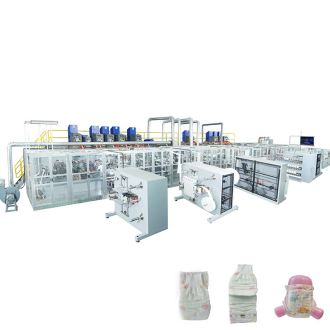
In today's highly competitive diaper manufacturing landscape, precision engineering has become the cornerstone of innovation, seamlessly blending advanced technology with meticulous attention to detail. Rather than relying on generic production lines, companies are now implementing sophisticated systems that fine-tune materials and processes in real-time, ensuring each diaper meets exacting standards for comfort and performance. This shift goes beyond mere automation; it involves a deep integration of sensors and data analytics to monitor variables like moisture control, elastic tension, and material distribution, creating a product that adapts to the unique needs of every infant.
What truly sets modern precision engineering apart is its emphasis on sustainability and efficiency, often overlooked in traditional manufacturing approaches. By leveraging state-of-the-art machinery, manufacturers can minimize waste through precise cuts and optimized material usage, reducing environmental impact without compromising quality. This approach not only enhances product reliability but also allows for rapid prototyping and customization, enabling brands to respond swiftly to market demands and develop diapers that are both eco-friendly and exceptionally durable. The result is a production process that feels almost artisanal in its care, yet scalable enough to meet global demand.
At its core, the evolution of diaper production reflects a broader trend towards hyper-personalization, where engineering precision translates into tangible benefits for consumers. From breathable liners that prevent rashes to leak-proof barriers with ergonomic fits, every element is crafted through iterative testing and refinement. This meticulous approach ensures that modern diapers are not just functional items but thoughtfully designed solutions that prioritize safety and convenience, driving brand loyalty in an era where quality is non-negotiable.
How This Machine Streamlines Entire Production Lines
Stepping into a modern factory, it's not just about the hum of machines anymore; it's about a seamless symphony where every production stage clicks into place. This machine transforms chaos into harmony by integrating disparate processes, from raw material handling to final assembly, under one intelligent umbrella. Picture a setup where bottlenecks dissolve because each component communicates real-time data, ensuring that if welding speeds up, painting adjusts automatically—no manual tweaks, no guesswork. It's like having a conductor who not only reads the score but improvises to keep the rhythm flawless, cutting downtime and ramping up output without the usual hiccups.
Beyond basic automation, what sets this system apart is its knack for learning and adapting. Instead of rigid, pre-programmed routines, it employs predictive analytics to anticipate snags before they happen. For instance, if a sensor detects a slight deviation in temperature during molding, it recalibrates cooling units on the fly, preventing defects that might otherwise slip through. This proactive stance means fewer recalls and higher quality, all while keeping energy use lean. It's not just about working faster; it's about working smarter, with a keen eye for detail that mirrors human oversight but with machine precision.
In an industry crowded with generic solutions, this machine stands out by offering customization without complexity. It doesn't force factories into a one-size-fits-all mold; instead, it molds itself to fit unique workflows, whether in automotive or electronics. By leveraging modular design, it allows easy swaps for new tasks—think of adding a robotic arm for packaging without halting production. This flexibility, coupled with robust connectivity, fosters a resilient line that evolves with market demands, turning production into a dynamic asset rather than a static cost center.
Innovative Features That Set It Apart in the Market
Our product introduces a dynamic personalization engine that learns and adapts to user behavior in real-time. Unlike static systems, it doesn't just collect data—it anticipates needs through intuitive algorithms that evolve with each interaction. This creates a uniquely tailored experience, making every use feel custom-crafted rather than generic.
We've integrated a seamless multi-platform ecosystem that bridges devices without the typical friction found in competitors. Instead of clunky sync processes, our solution offers instant, fluid transitions, allowing users to pick up where they left off effortlessly across smartphones, tablets, and desktops. This cohesion is backed by lightweight architecture that maintains speed and reliability, setting a new standard for user convenience.
What truly sets us apart is our commitment to sustainable innovation, with energy-efficient designs that reduce environmental impact without compromising performance. By focusing on practical enhancements like extended battery life and reduced resource consumption, we offer a forward-thinking approach that resonates with eco-conscious consumers, differentiating us in a market often focused solely on flashy features.
Real-World Applications and Industry Impact
From self-driving cars navigating complex urban environments to medical imaging systems that detect diseases with unprecedented accuracy, the practical uses of advanced technologies are transforming industries worldwide. In agriculture, drones and AI-powered sensors optimize crop yields by monitoring soil conditions and plant health in real-time, reducing waste and enhancing sustainability. These innovations not only boost efficiency but also address pressing global challenges, such as food security and climate change resilience.
The influence extends to the financial sector, where machine learning algorithms analyze vast datasets to detect fraudulent transactions and personalize investment advice, making services more secure and accessible. Similarly, in manufacturing, smart factories leverage IoT devices and robotics to streamline production lines, minimize downtime, and adapt quickly to market demands. By integrating these solutions, companies are not just cutting costs but also fostering innovation and creating new business models that redefine competitive landscapes.
Beyond individual sectors, the ripple effects shape economies and societies at large. For instance, enhanced healthcare technologies reduce diagnostic errors and improve patient outcomes, while smart city initiatives use data analytics to manage traffic flow, energy consumption, and public safety more effectively. As industries continue to adopt and refine these applications, they drive job creation in tech-centric roles and prompt shifts in workforce skills, illustrating how technological impact is both immediate and far-reaching.
Future Trends in Automated Manufacturing Solutions
Automated manufacturing is rapidly evolving, driven by advancements in AI and IoT integration. Companies are increasingly adopting smart factories that leverage real-time data analytics to optimize production lines, reduce downtime, and enhance quality control. This shift not only boosts efficiency but also allows for greater customization and flexibility in meeting consumer demands, making automation a cornerstone for competitive advantage in global markets.
Another key trend is the rise of collaborative robotics and human-robot interaction. Unlike traditional industrial robots confined to cages, these systems work alongside human workers, improving safety and productivity by handling repetitive or hazardous tasks. This synergy fosters a more agile workforce and opens up new applications in sectors like electronics assembly and logistics, where precision and adaptability are crucial for success.
Looking ahead, sustainable and energy-efficient solutions are gaining prominence in automated manufacturing. Technologies such as additive manufacturing and predictive maintenance are being integrated to minimize waste and resource consumption. By focusing on eco-friendly practices, manufacturers can not only cut costs but also align with global sustainability goals, ensuring long-term viability in an increasingly environmentally conscious world.
FAQ
A full servo diaper making machine is an advanced manufacturing system that uses servo motors for precise control of all components, ensuring high efficiency and accuracy in diaper production.
Full servo technology improves production speed, reduces material waste, and allows for flexible adjustments in diaper sizes and designs, enhancing overall output quality.
Key features include synchronized servo control for motors, real-time monitoring systems, automated adjustments, and compatibility with various absorbent materials for diverse diaper types.
Yes, it easily switches between sizes and styles through programmable settings, making it versatile for producing baby, adult, or specialty diapers without manual reconfiguration.
Regular maintenance involves checking servo motors and belts, lubricating moving parts, and updating software for optimal performance, with minimal downtime due to its automated design.
Unlike older machines, it offers higher precision, faster changeovers, and better energy efficiency, leading to lower operational costs and increased production capacity.
Primarily used in personal care and hygiene industries, including large manufacturers of disposable diapers, incontinence products, and related absorbent items.
Conclusion
The Full Servo Diaper Making Machine represents a significant leap forward in manufacturing technology by blending advanced automation with precision engineering to revolutionize diaper production. By enhancing manufacturing efficiency through cutting-edge automation, it ensures seamless operation across entire production lines, reducing downtime and boosting output. The machine's innovative features, such as real-time adjustments and modular design, set it apart in the market, allowing manufacturers to adapt quickly to changing demands and maintain a competitive edge.
In real-world applications, this machine streamlines processes from material handling to final packaging, delivering consistent quality and reducing waste, which positively impacts the industry by lowering costs and improving product reliability. Looking ahead, future trends in automated manufacturing solutions will likely build on these advancements, integrating smart technologies for even greater efficiency and customization. Overall, the Full Servo Diaper Making Machine not only optimizes current production but also paves the way for more sustainable and innovative practices in the sector, showcasing how precision automation can transform traditional manufacturing into a dynamic, high-performance endeavor.
Contact Us
Contact Person: Jessie Lai
Email: [email protected]
Tel/WhatsApp: 86-188594442931
Website: https://www.womengmachines.com