

Global Petrochemical Industry Events Reshaping the Market Landscape
2026-05-08
As the global petrochemical industry navigates through unprecedented shifts, staying informed is no longer optional—it's a strategic imperative. From supply chain disruptions to groundbreaking sustainability mandates, today's market landscape is being redrawn by forces few saw coming. At ICIF, we decode these pivotal events, offering the insights you need to not just adapt, but lead. Dive in to explore the transformations reshaping the industry.
Cracking the Code of Oversupply: How China’s Coal-to-Chemicals Blitz Is Rewriting Global Trade Flows
China’s breakneck expansion in coal-to-chemicals has flooded global markets with everything from methanol to polypropylene. Massive integrated plants in Inner Mongolia, Shaanxi, and Ningxia are churning out far more product than domestic demand can absorb. This isn't just a temporary glut—it reflects a deliberate, state-backed push to monetise stranded coal reserves and reduce reliance on imported oil. But the volume hitting docks in Tianjin and Lianyungang is rewriting pricing reference points for entire chemical families.
The ripple effects are squeezing margins for producers in Southeast Asia, the Middle East, and even the United States, as Chinese cargoes undercut long-standing trade flows. Traditional suppliers to India and Turkey, for instance, now watch monthly offtakes swing wildly on the arrival of distressed Chinese parcels. The shift goes beyond spot prices; it’s forcing term contract renegotiations and leading some legacy plants to idle capacity. As Beijing doubles down on domestic energy security, the overcapacity puzzle becomes a permanent feature of the global chemical landscape, not a cyclical hiccup.
Petrochemicals on the Move: Reshoring and Regional Hubs in the Wake of Supply Chain Snafus
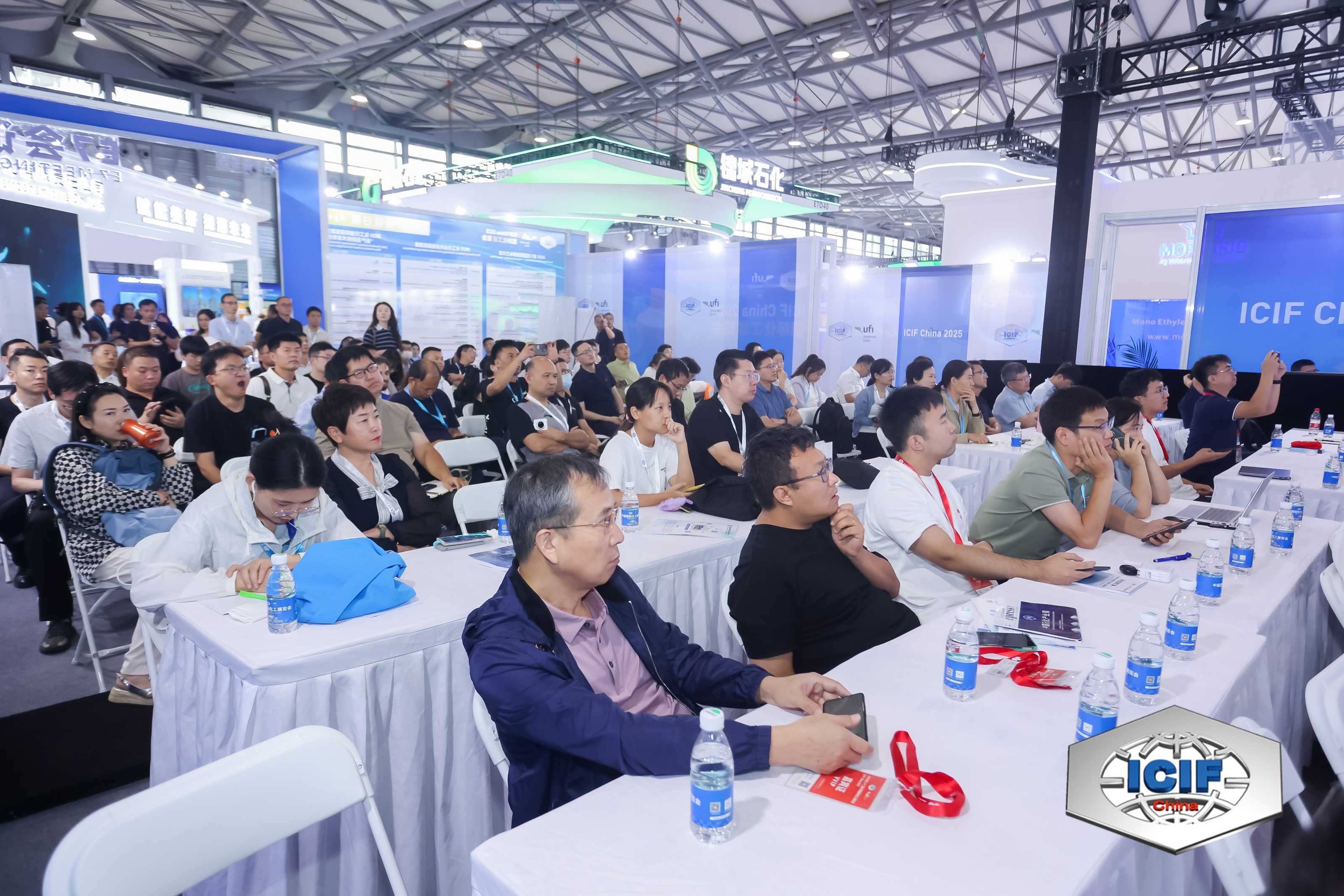
The global petrochemical landscape is undergoing a quiet but decisive transformation. For years, the industry banked on sprawling, cost-optimized supply chains that stretched across oceans, with production concentrated in a handful of low-cost regions. Then came the cascading disruptions—port closures, container shortages, geopolitical flare-ups—that exposed the fragility of such long-tailed networks. In boardrooms from Houston to Shanghai, the conversation has shifted from lean efficiency to resilient proximity. Companies are now re-evaluating the map, pulling key operations closer to home or into allied territory, and in doing so, reshaping where petrochemicals are made and how they flow.
This reshoring push is not a simple retreat. It’s sparking the rise of regional manufacturing hubs that blend feedstock access, regulatory alignment, and demand density. The U.S. Gulf Coast, long a powerhouse, is seeing fresh investments aimed at shortening supply lines for domestic buyers. Meanwhile, Southeast Asia and the Middle East are carving out new roles as multi-feedstock centers, serving both local industrial growth and nearby export markets. These hubs are designed for flexibility—able to pivot between ethane, naphtha, or even recycled feedstocks as economics and policy dictate. The old model of monolithic mega-plants feeding a global commodity pool is giving way to a more networked, adaptable footprint.
Beneath the infrastructure shifts lies a deeper recalibration of risk. Inventory strategies now favor depth over just-in-time precision. Contracts increasingly include regional contingency clauses. And engineering teams, once focused on scaling single sites, are now tasked with modular designs that can be duplicated across hubs. The supply chain snarls of recent years may have been the catalyst, but the response is proving to be structural. Petrochemicals are indeed on the move—not just physically, but strategically, toward a geography that values reliability as much as it does cost.
The Circular Economy Tightens Its Grip: Recycling Mandates Reshape Polymer Demand
Regulators across the globe are no longer satisfied with voluntary sustainability pledges. From the EU’s Single-Use Plastics Directive to state-level recycled content requirements in the U.S., governments are forcing the hand of polymer producers and converters. These mandates are not gentle nudges—they carry financial penalties and market access restrictions, fundamentally altering procurement strategies. Virgin resin, once the default choice, now competes against mechanically and chemically recycled grades that are rapidly gaining cost parity and legislative preference.
The ripple effects are reshaping demand curves in unexpected ways. Packaging, historically the largest consumer of polyethylene and polypropylene, is witnessing a pronounced shift toward designated recyclable formats, while durable goods manufacturers scramble to incorporate post-consumer content into long-life products. This isn’t merely a substitution game; it’s forcing polymer suppliers to rethink their entire value chain. Companies that once optimized for performance alone now juggle circularity metrics, collection infrastructure partnerships, and the logistical nightmare of sourcing consistent waste streams.
Investment signals whisper of a permanent pivot. Petrochemical giants are quietly diverting capital from virgin capacity expansions toward advanced recycling plants and bio-based alternatives. Downstream converters, wary of being left with stranded assets, are redesigning parts to accommodate lower-quality recycled resins without sacrificing functionality. The market is no longer debating whether circularity will dominate, but rather how quickly the old linear model will become a liability. In this new landscape, polymer demand isn’t just a function of GDP growth—it’s a direct reflection of regulatory aggression and the industry’s ability to close the loop.
Energy Wildcards: How the Russia-Ukraine War Reframed Feedstock Favoritism
Before the conflict, Europe’s energy policy tilted heavily toward natural gas as a bridge fuel, with Russian pipeline flows seen as reliable and cost-effective. The war shattered that assumption overnight, forcing a rapid re‑evaluation of what constitutes a secure feedstock. Suddenly, long‑term contracts for liquefied natural gas from the United States and Qatar became worth the premium, while domestic coal plants—once slated for retirement—were given emergency extensions. This shift wasn’t just about replacing volumes; it was about re‑weighting reliability, affordability, and geopolitical alignment in real time.
The ripple effects reached deep into industrial feedstock decisions. Petrochemical plants and fertilizer producers that had designed their processes around cheap Russian gas were left scrambling. Government interventions, such as subsidies for alternative fuels or accelerated permitting for renewables, created a patchwork of favoritism that often clashed with market logic. In some cases, previously niche bio‑based feedstocks suddenly looked strategically attractive, not purely on price but on energy sovereignty grounds. The result is a more fragmented landscape where energy wildcards—from hydrogen to waste‑derived fuels—are being re‑examined with fresh urgency.
Even beyond Europe, the war recalibrated global feedstock favoritism. Nations with abundant coal or nuclear capacity found their energy profiles re‑rated as strategic assets, while those heavily dependent on imported gas faced new scrutiny. The energy transition itself is now being debated through a security lens: how quickly can a country shift to locally abundant renewables without sacrificing industrial competitiveness? This reframing has turned long‑held energy hierarchies upside down, proving that feedstock loyalty is only as strong as the last geopolitical shock.
Middle East’s Big Bet on Downstream: From Crude Exporter to Petrochemical Powerhouse
The Middle East, long synonymous with vast oil reserves and crude exports, is now channeling billions into a transformative downstream push. Nations like Saudi Arabia, the UAE, and Qatar are building colossal integrated refining and petrochemical complexes, determined to capture value beyond the barrel. This strategic pivot is not merely a diversification play—it is a fundamental repositioning within the global energy value chain, shifting the region from a raw commodity supplier to a sophisticated producer of high-margin chemicals and polymers.
The catalysts for this downstream ambition are multifaceted. Robust demand growth across Asia, particularly for plastics and synthetic fibers, offers a ready market. At the same time, national visions such as Saudi Arabia’s Vision 2030 are aggressively driving economic transformation, seeking to create high-skilled jobs and insulate budgets from crude price volatility. By leveraging advantaged feedstock—abundant ethane and naphtha—these projects enjoy a cost edge that competitors struggle to match, enabling them to weather cyclical downturns and reinvest in ever-larger scale.
Looking ahead, the Middle East is poised to reshape global petrochemical trade flows. With state-of-the-art crackers and derivative units capable of producing everything from polyethylene to specialty chemicals, the region is set to become the world’s primary swing producer. This transition, however, carries risks: overreliance on a single export destination, technology partnerships that must evolve into homegrown innovation, and the need to decarbonize energy-intensive operations. Yet the trajectory is clear—the Gulf’s crude exporters are steadily morphing into petrochemical powerhouses, redrawing the map of global industry in the process.
Carbon Border Adjustments Arrive: How Emissions Costs Are Redrawing Investment Maps
The quiet arrival of carbon border adjustment mechanisms is doing more than just adding a line item to trade paperwork—it is fundamentally altering the calculus of where capital flows. Industries that once based location decisions on labor costs and market access are suddenly weighing the carbon intensity of entire supply chains, from the electricity powering a factory to the fuel burned in final transport. This shift isn’t theoretical; it’s already rerouting investment streams as companies scramble to avoid penalties that turn traditional cost advantages on their head.
The result is a subtle but persistent redrawing of the global investment map. Regions with greener grids and lower embedded emissions are gaining a competitive edge, not because of subsidies, but because the carbon cost levied at the border makes their exports suddenly cheaper for importers. Meanwhile, heavy industrial hubs in coal-reliant economies are watching their margins erode, and investors are taking note. Capital expenditure plans are adapting quietly, favoring locations where emissions can be reduced at pace, or where clean energy is abundant enough to shield against future tightening of adjustment rates.
This emissions-aware investment logic is spreading beyond the obvious heavy emitters like steel and aluminum, seeping into electronics, machinery, and even agricultural products. The map is being redrawn not by political preference but by the invisible hand of carbon accounting—a force that rewards foresight and punishes inertia. For multinationals, the question is no longer whether to factor in carbon costs, but how quickly they can restructure operations before their competitors claim the low-emission ground.
FAQ
The COVID-19 pandemic dramatically disrupted demand patterns, initially slashing consumption of fuels and chemicals before sparking a surge in packaging and medical supplies. The Russia-Ukraine conflict then upended energy and feedstock markets, causing soaring natural gas prices in Europe and forcing many plants to curtail production. More recently, China's economic slowdown has dampened giant demand growth expectations, while the Red Sea shipping disruptions have added logistical costs and delays.
Sustainability pressures are redirecting capital away from traditional virgin plastic expansions toward recycling technologies and bio-based feedstocks. Many majors are acquiring chemical recycling startups or forming joint ventures to produce circular polymers. Additionally, stringent regulations like the EU's Plastic Packaging Waste Directive are pushing companies to invest in advanced sorting and pyrolysis units, while also exploring green hydrogen to decarbonize ammonia and methanol production.
Geopolitical friction is fragmenting once-connected global supply chains. Sanctions on Russian oil and gas have compelled Europe to source refined products and naphtha from alternative regions like the Middle East and Asia, tightening specific market segments. The US-China trade disputes have erected tariff barriers, encouraging Chinese self-sufficiency in high-end chemicals and altering global trade flows for paraxylene and polyolefins. This uncertainty is driving a shift toward regional supply hubs and strategic stockpiling.
Abundant shale gas in the US continues to fuel ethane-based ethylene expansions, giving American producers a durable cost advantage. Meanwhile, the Middle East is leveraging cheap oil and gas to deepen its integration into aromatics and specialty chemicals. In contrast, European crackers dependent on imported naphtha face severe margin compression, leading to capacity rationalization. China, hungry for feedstocks, is increasing its reliance on coal-based methanol-to-olefins, despite environmental concerns.
Policies promoting electrification of transport are structurally reducing refinery runs, tightening the supply of naphtha and other petrochemical feedstocks. At the same time, demand for lightweight materials in electric vehicles and renewable energy infrastructure is boosting consumption of advanced polymers and composites. Plastics demand for packaging remains resilient, but single-use bans are slowly altering the product mix, pushing producers toward durable and specialty applications.
Firms are pursuing operational efficiencies through digitalization, using AI for predictive maintenance and process optimization to cut costs. Portfolio reshaping is common—divesting commodity bulk chemicals to focus on specialty and performance materials with higher margins. Many are also forging partnerships across the value chain, such as direct agreements with recyclers to secure circular feedstock, or collaborating with automotive companies to co-develop materials for electric mobility.
Conclusion
The petrochemical landscape is undergoing a profound transformation, driven by a confluence of disruptive events. China’s massive coal-to-chemicals buildup has unleashed a wave of oversupply, flooding global markets with competitively priced polymers and intermediates, and forcing established producers to rethink traditional trade routes. At the same time, supply chain disruptions—exposed by recent crises—have accelerated a shift toward reshoring and the creation of regional production hubs, as companies prioritize resilience over cost efficiency. Adding further complexity, the circular economy is no longer a distant goal; aggressive recycling mandates and extended producer responsibility schemes are reshaping polymer demand patterns, compressing virgin material growth and pushing innovation in chemical recycling.
Geopolitical tremors, particularly the Russia-Ukraine war, have upended feedstock economics, triggering a reassessment of energy and raw material sourcing strategies. Europe’s abrupt pivot away from Russian gas has heightened the appeal of alternative feedstocks and intensified the global competition for cost-advantaged inputs. In parallel, the Middle East is doubling down on downstream integration, leveraging its crude advantage to build a formidable petrochemical export machine that challenges traditional value chains. Meanwhile, the advent of carbon border adjustment mechanisms is redrawing the investment map, as carbon-intensive production faces escalating costs and cleaner processes gain a competitive edge. Together, these forces are not just reshaping market shares—they are redefining the very foundations of the global petrochemical industry.
Contact Us
Contact Person: Shaozhen Zhou
Email: [email protected]
Tel/WhatsApp: 0086-18612117599
Website: https://en.icif.cn/