

How RFID Label Companies Are Revolutionizing Inventory Management
2026-05-08
Imagine a warehouse where every item reports its own location, stock levels update in real time, and manual counts become a relic of the past. That’s not a distant future—it’s happening now, thanks to the quiet revolution driven by RFID label companies. Among the innovators leading this shift, OSRFID stands out by transforming how businesses track, trace, and manage inventory with precision and ease. In this post, we’ll explore how these smart label technologies are rewriting the rules of supply chain efficiency.
Turning Stocktaking into a Seamless Digital Flow
The old way of counting inventory often meant shutting down operations, bringing in extra staff, and spending days with clipboards and spreadsheets. It was a necessary chore that everyone dreaded—prone to human error, disrupting sales, and leaving gaps between what the system said and what was actually on the shelf. The moment a discrepancy slipped through, it could cascade into stockouts, overordering, or missed revenue. That friction made stocktaking a periodic headache rather than a helpful business insight.
By weaving digital tools into the heart of the process, counting morphs into a continuous, almost invisible activity. Barcode scanners, RFID tags, and mobile devices feed data straight into central systems, eliminating paper and manual entry. Instead of an all-hands-on-deck event, team members can do spot-checks or cycle counts during quiet moments, keeping records current without halting day-to-day work. The real shift happens when data becomes live and actionable—you’re no longer looking backward at what was lost but forward at what’s available right now.
That flow opens up possibilities far beyond just accurate counts. When inventory data streams in seamlessly, it talks to purchasing, sales, and even customer-facing platforms. Low-stock alerts trigger reorders before a gap appears. Trends become visible early, helping refine forecasts and reduce waste. For staff, it replaces monotonous counting with meaningful exception handling—investigating a mismatch or fine-tuning a display—turning a grudging task into a source of real-time intelligence that keeps the whole operation nimble.
How Smart Labels Eliminate Inventory Blind Spots
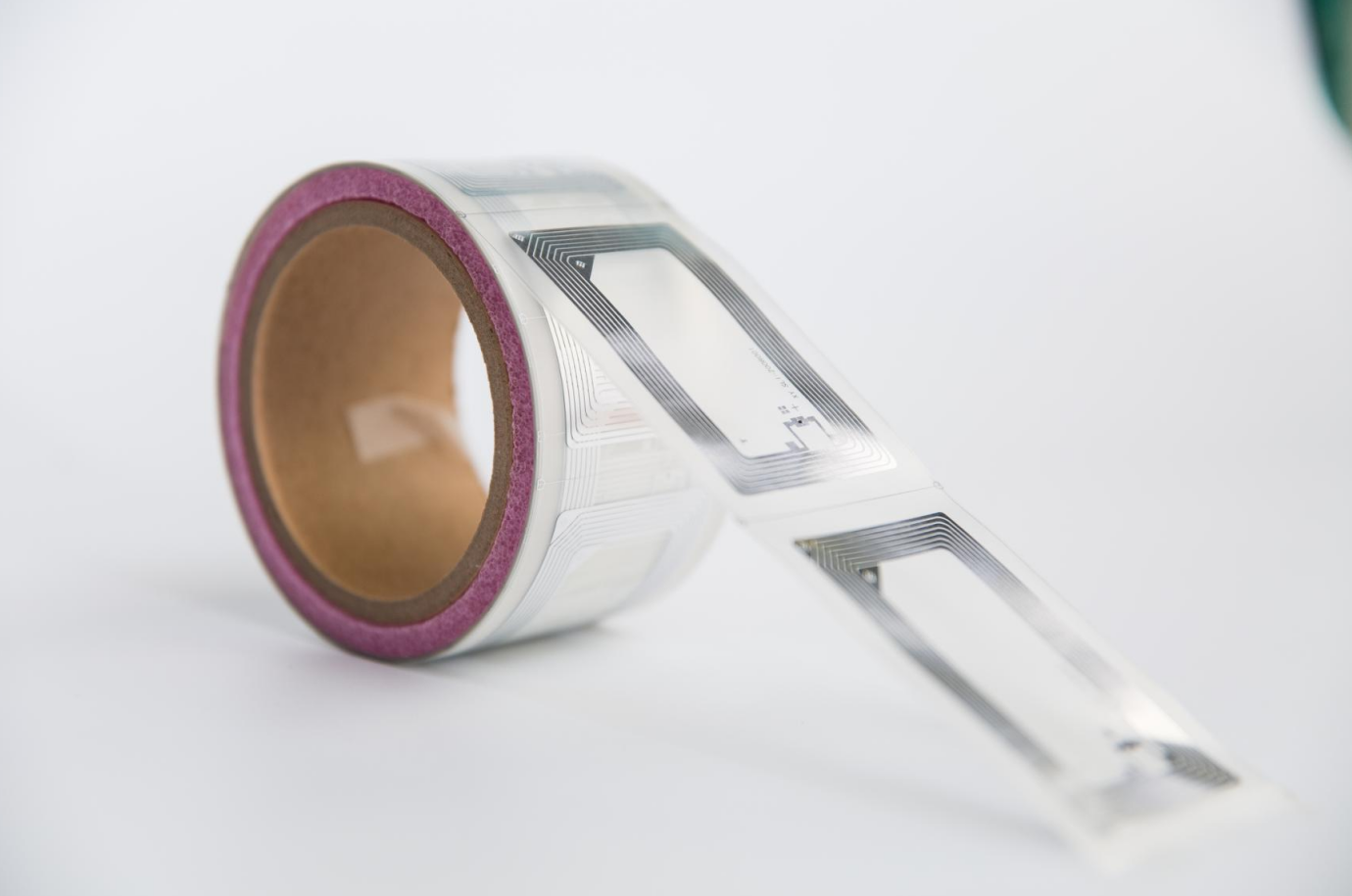
Smart labels bring real-time visibility to stock that was once hidden in plain sight. Instead of relying on periodic manual counts or outdated spreadsheets, these tags constantly broadcast location and status data. This means a box tucked away on the wrong shelf or a pallet moved to a temporary staging area is instantly accounted for, erasing the guesswork that leads to costly mismatches between what the system thinks is there and what actually exists.
The technology works by turning every item into a data point that updates automatically. Once attached, a smart label communicates via RFID, Bluetooth, or similar protocols, feeding information directly into a central dashboard. Staff no longer need to scan barcodes one by one or search through aisles trying to track down missing units. The system flags discrepancies the moment they occur, so restocking, order fulfillment, and audit processes stay accurate without the usual lag time.
Over time, this continuous stream of information does more than just eliminate blind spots—it reshapes how inventory is managed. Patterns emerge showing where items tend to pile up or disappear, helping businesses adjust storage layouts and reorder points. The result is a self-correcting stock environment where shrinkage drops and customer satisfaction climbs, because what’s listed as available is genuinely there and ready to ship.
Real-Time Data That Stops Stock-Outs Before They Happen
Gone are the days of walking the floor with a clipboard, counting items one by one. Real-time inventory data now quietly tracks every scan, sale, and return as they happen, painting a live picture of what’s actually on hand. This means you’ll spot a low stock situation the moment it starts forming, not after the shelf is already bare.
The magic lies in the stream of updates coming directly from point-of-sale terminals, warehouse scanners, or even smart shelves. When connected properly, these sources send signals that can automatically trigger a replenishment order the second a product dips below a set threshold. There’s no waiting for a weekly report or depending on someone’s best guess.
What really sets this apart is how effortlessly it slips into daily operations. Instead of reacting to angry customers or lost sales, teams can stay a step ahead, adjusting on the fly as demand shifts. It turns inventory management from a fire drill into a calm, steady rhythm.
The Quiet Shift from Manual Scans to Instant RFID Reads
In warehouses and retail floors across the globe, a subtle but profound change is taking place. The familiar beep of a handheld barcode scanner, once the heartbeat of inventory management, is fading into the background. In its place, a silent and seamless technology—RFID—reads tags instantly, without line-of-sight, and often without any human intervention at all. This evolution doesn't announce itself with fanfare; it simply makes operations smoother, faster, and far more accurate, one read at a time.
The move from manual scanning to instant RFID reads isn't just about speed—it's about freeing people from repetitive tasks. Employees who once spent hours pointing scanners at shelf after shelf can now focus on customer service, problem-solving, or strategic planning. The data just flows in, continuously and reliably, providing real-time visibility that manual counts could never achieve. It's a shift that turns inventory from a static snapshot into a living, breathing asset.
Perhaps the most remarkable aspect of this transition is how naturally it blends into daily routines. A pallet moves through a dock door and is logged. A garment is tried on and its movement is noted. Shelves are restocked without a single click. The technology doesn't demand attention; it just works in the background, quietly reshaping supply chains and customer experiences. What was once a labor-intensive chore has become an effortless pulse of information, making the entire operation feel almost intuitive.
Unlocking Warehouse Efficiency Without Extra Staff
Warehouse bottlenecks often stem from how people move, not how many. Instead of chasing the headcount, start by rethinking daily workflows. Map out the path a picker takes on a typical shift and you'll likely spot unnecessary twists and turns that eat up minutes. Even small adjustments to slotting logic—like placing fast-moving items closer to packing stations—can slash walk time dramatically. The goal isn't to push harder, but to trim the hidden waste already baked into routines.
Technology can do a lot of the heavy lifting without ballooning your payroll. Simple upgrades, like wearable scanners or voice-directed picking, keep hands free and eyes up, cutting seconds off each task. Meanwhile, a lightweight warehouse management system can batch orders intelligently, so one trip through the aisles does the work of two. These tools don't replace people; they strip out the friction that slows them down, often paying for themselves within a few months.
Lastly, tap into the insights your own team already has. Frontline staff know where processes snag because they live it every day. A ten-minute stand-up meeting to surface pain points can reveal quick fixes that consultants might miss. When you empower workers to suggest layout tweaks or flag redundant steps, you build a culture of continuous improvement—and that momentum often delivers the biggest efficiency gains with zero added labor cost.
Why RFID Labels Are the Backbone of Modern Supply Chains
Without RFID, supply chain visibility would still rely on manual scans and guesswork. These tiny tags do more than just store product codes—they let you track an item’s journey in real time, from the assembly line to the retail shelf. What makes them indispensable is their ability to deliver updates without line-of-sight, turning chaotic warehouse floors into data-rich environments where every movement is logged automatically.
When a pallet passes through a dock door equipped with an RFID reader, the system instantly updates inventory counts, flags misrouted goods, and can even trigger reorder alerts if stock levels dip. This constant flow of information slashes the need for cycle counts and lets teams focus on exceptions rather than routine checks. It’s the difference between reacting to a stockout after it happens and preventing it days in advance.
Beyond the warehouse, RFID labels stitch together fragmented supply chains. They make it possible to verify the origin and handling of perishables, cut waste by pinpointing delays, and give customers accurate delivery estimates. The real backbone isn’t the tag itself—it’s the layer of reliability it adds, turning opaque logistics into a transparent system that adapts before problems escalate.
FAQ
RFID uses radio waves to automatically identify and track tags attached to objects. Unlike barcodes that need line-of-sight scanning, RFID tags can be read from a distance, often in bulk, without direct alignment. This speeds up inventory counts dramatically.
They provide the specialized tags, readers, and software that turn raw RFID data into actionable insights. Without their expertise, businesses would struggle with tag selection, placement, and integration—all of which are critical for accuracy.
Sure. In a retail clothing store, RFID labels on garments allow staff to scan entire racks in seconds, eliminating manual barcode scanning. This reduces human error and ensures shelf availability data is up-to-date, improving customer experience.
They typically experience faster inventory cycles, near real-time visibility into stock levels, reduced shrinkage from theft or misplacement, and better demand forecasting thanks to reliable data.
Yes, initial costs for tags and readers can be high, and there’s a learning curve for staff. Metal and liquid environments can also interfere with readings, so careful planning is needed. But the long-term gains often outweigh these hurdles.
By automating inventory counts, businesses cut labor hours and minimize stock discrepancies that lead to overordering or stockouts. Fewer manual checks also mean fewer errors, saving money on returns and lost sales.
Retail, healthcare, logistics, and manufacturing lead the pack. In healthcare, for instance, RFID tracks medications and equipment, reducing waste and improving patient safety. Logistics firms use it for package tracking and route optimization.
It can be, but modern RFID solutions often come with APIs and middleware that bridge the gap. Many companies start with a pilot program to ensure smooth integration before a full rollout.
Conclusion
For years, warehouses relied on labor‑intensive stocktaking marred by human error and infrequent snapshots of inventory. RFID label companies have turned this on its head, transforming what was once a disruptive chore into a seamless digital flow. Smart labels attached to every item or pallet beam real‑time location and status data to central systems, eliminating the blind spots that plague traditional barcode scans. Instead of periodic counts that leave gaps, businesses now operate with a continuous, accurate picture of their stock. When a shelf runs low, the system automatically flags replenishment needs long before a stock‑out occurs, effectively preventing lost sales and production halts. The shift from manual scanning to instant RFID reads is so quiet and efficient that many operations now run with far fewer interruptions.
Beyond counting, this technology unlocks warehouse efficiency without demanding extra staff. A single handheld or fixed reader can capture hundreds of tags per second, freeing workers from tedious wand‑based scans and allowing them to focus on higher‑value tasks like order fulfillment and process improvement. This scalability means that even during peak seasons, throughput rises without proportional increases in labor costs. As these labels become the backbone of modern supply chains, they provide end‑to‑end visibility that connects suppliers, logistics hubs, and retail floors. The result is a responsive, self‑correcting flow where goods move predictably and inventory decisions are data‑driven. RFID label companies are not just upgrading a tool; they are quietly rewriting how commerce manages the physical world.
Contact Us
Contact Person: Esme Mo
Email: [email protected]
Tel/WhatsApp: 0086 191 2931 7837
Website: https://www.osrfidglobal.com/