

How to Choose the Right Chemical Industry Air Compressor for Your Plant
2026-08-23
Most chemical plant managers don't lose sleep over air compressors—until a shutdown costs them six figures. In an environment where corrosive fumes, flammable gases, and precise pressure control collide, the wrong compressor isn't just inefficient; it's a safety risk. That's why selecting the right one demands more than a spec-sheet comparison. At Seize Air, we focus on the details that keep chemical operations running smoothly. Here's what to look for before you commit.
Matching Air Purity to Your Chemical Process
Selecting the right air purity level starts with a hard look at your reaction chemistry, not a generic plant standard. A process handling moisture-sensitive organometallics demands air with single-digit parts-per-billion water and oxygen, while a routine solvent transfer might run safely on instrument-grade compressed air. The key is matching the specification to the point of use, because over-specifying purity inflates operating costs and under-specifying risks catalyst poisoning or side reactions.
Start by mapping every place air contacts your product, from blanketing storage tanks to sparging reactors and drying glassware. Trace impurities like water, oil vapor, and carbon dioxide behave differently depending on temperature, pressure, and residence time. A chilled reactor can condense trace moisture that a warm gas line would pass through unnoticed, so purity measured at the supply header may not be purity at the reaction surface.
Finally, treat air purity as a dynamic parameter rather than a fixed setting. Seasonal humidity shifts, changes in feedstock quality, or a move from batch to continuous processing can silently alter the purity your chemistry actually sees. Periodic sampling at critical use points, along with a simple log of dew point and oxygen readings, gives you the data to adjust filtration or switch gas sources before a quality issue shows up in the product.
Navigating Explosive Atmospheres and Safety Codes
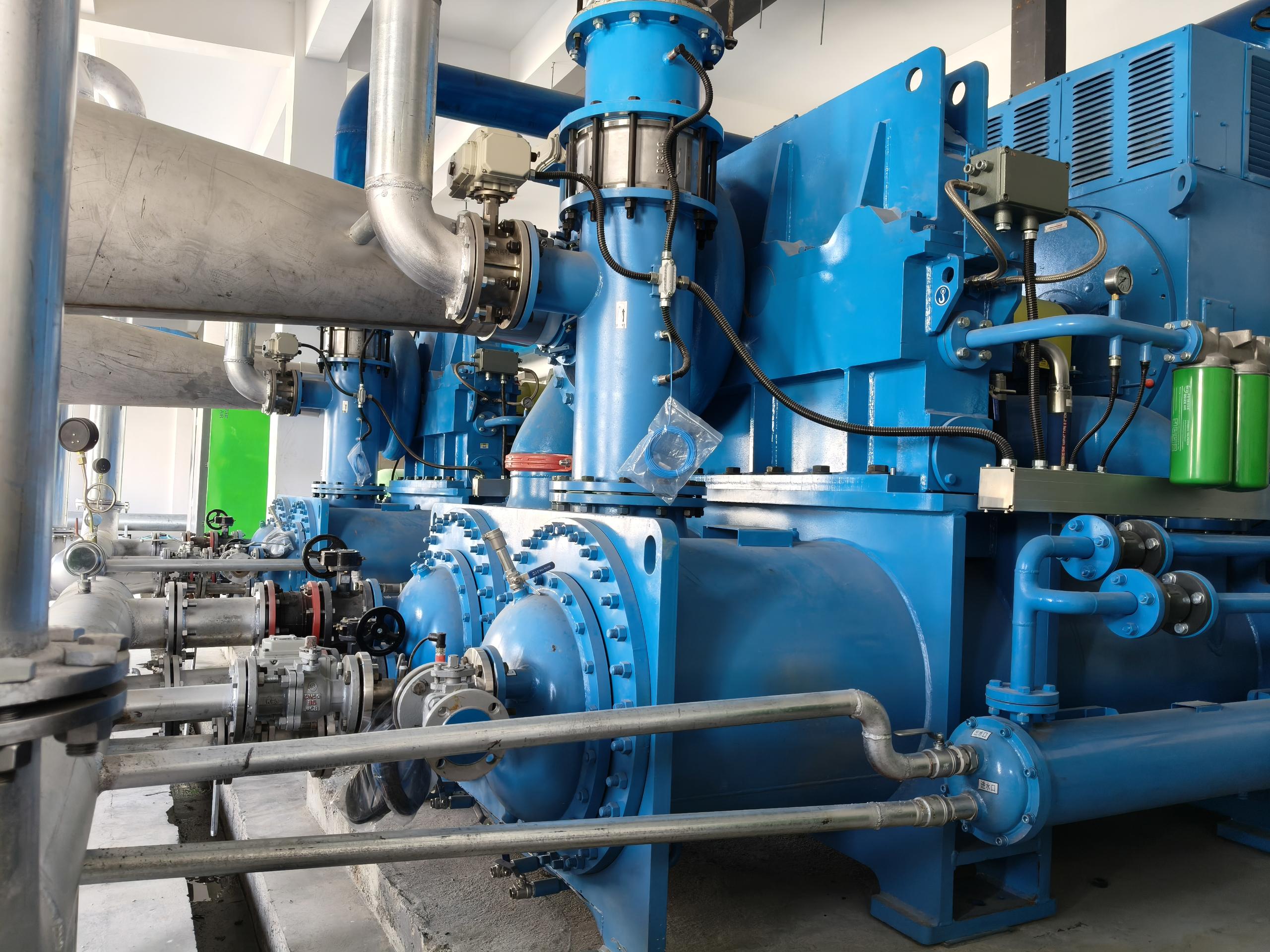
Working in explosive atmospheres demands more than a passing familiarity with hazard zones. A proper navigation starts by identifying whether the environment contains flammable gases, vapors, mists, or combustible dusts, and then mapping out the likelihood and duration of their presence. Zone 0, Zone 1, and Zone 2 classifications aren't just labels - they define the boundaries where certified equipment can operate safely, and misunderstanding them can lead to catastrophic ignition.
Selecting the right protection method means digging into the details behind the certification plate. Flameproof enclosures, intrinsic safety, and increased safety each solve different problems, and they don't interchange freely. The gas group and temperature class matter just as much as the Ex code, since a device rated for propane may not be safe in a hydrogen environment with a much lower ignition energy. Field experience shows that most incidents trace back to mismatched equipment or bypassed interlocks, not to a lack of paperwork.
Staying compliant goes beyond the initial installation. Regular inspections, controlled maintenance procedures, and worker training create a living safety system rather than a one-time checklist. When modifications are made - adding a new sensor, replacing a cable gland, or moving a ventilation duct - the original hazardous area assessment must be revisited. Codes evolve, and so should your approach, especially when older installations were designed under standards that have since tightened.
Choosing Between Oil-Flooded and Oil-Free Compressors
The choice between oil-flooded and oil-free compressors often comes down to what you're actually pushing through the system. If your operation can tolerate trace amounts of oil vapor—think general manufacturing, tire inflation, or powering pneumatic tools—an oil-flooded unit will likely give you a longer service life and lower upfront cost. These machines rely on oil for sealing, cooling, and lubrication, which means they run cooler and quieter. But that oil eventually makes its way into the air stream, even with downstream filtration. For tasks that demand absolute purity, like food packaging, pharmaceutical production, or electronics assembly, even a few parts per million of oil can ruin a batch.
Oil-free compressors eliminate that contamination risk by using specially coated rotors or water-based lubrication instead of oil in the compression chamber. You pay for that peace of mind with higher maintenance intervals and a bigger initial investment, but the trade-off is clean, breathable air without the need for complex filtration systems. Many users overlook the fact that oil-free doesn't mean maintenance-free—the dry-running components experience more wear, and you'll be replacing seals and bearings sooner. Still, if your end product is sensitive or you're facing strict environmental regulations, the oil-free route removes a whole category of risk.
Consider your total cost of ownership rather than just the sticker price. Oil-flooded compressors require regular oil changes, filters, and separators, but those are predictable expenses spread over a long lifespan. Oil-free units may never need an oil change, but their compression elements are typically replaced in shorter cycles. And don't forget the surrounding infrastructure: an oil-flooded system often needs coalescing filters and dryers to hit acceptable air quality levels, which narrows the price gap. The smart move is to audit your actual air demand, purity requirements, and duty cycle before deciding—what works for a busy auto shop won't make sense in a cleanroom.
Calculating Total Cost of Ownership Beyond the Purchase Price
The sticker price is just the first page of a much longer story. To truly understand what an asset will cost you, factor in energy consumption, routine maintenance, replacement parts, and the labor required to keep it running. A cheaper machine that guzzles power and breaks down quarterly can quietly outspend a pricier, more efficient alternative within eighteen months.
Look beyond the invoice and map out every recurring expense over the expected lifespan. Include training time for your team, software licensing or firmware updates, disposal fees, and even the cost of downtime during repairs. These hidden line items often dwarf the initial outlay and reveal which option actually respects your operating budget.
A practical approach is to build a simple spreadsheet comparing three to five candidate purchases across at least a five-year window. Assign realistic monthly and annual costs for each, then calculate the cumulative spend. You will often find that the “premium” model ends up being the most economical choice once the full picture comes into focus.
Designing for Corrosive and Hazardous Gases
Material selection often decides whether a gas system survives its first year or fails within weeks. For wet chlorine or hydrogen chloride, PTFE-lined components and Hastelloy C-276 outperform standard stainless steels, which pit rapidly in the presence of moisture. Electropolished 316L tubing reduces surface area for adsorption and corrosion, but it still requires passivation and careful control of oxygen and water ingress. Even small amounts of residual contamination can initiate stress corrosion cracking in high-purity hazardous gas lines.
Containment strategy should treat every connection as a potential leak source. Gas cabinets with negative-pressure exhaust and restricted flow orifices prevent accidental large releases, while double-walled piping with interstitial monitoring identifies leaks before they reach the environment. Position sensors for toxic or flammable gases at breathing height and near floor level depending on density, and tie their alarms directly to automatic isolation valves and emergency scrubbers. Manual bypasses should be physically locked or removed.
System layout must minimize dead legs and threaded fittings. Use orbital welding for permanent joints, diaphragm or bellows valves for shutoff, and spring-loaded check valves where backflow risk exists. Include purge ports at the ends of each segment so you can evacuate and inert the line before breaking containment. Pressure relief paths should vent to a safe scrubber, not to the room. Finally, verify grounding and bonding for flammable gases, and label all lines with gas identity, flow direction, and hazard class.
Planning Maintenance Around Chemical Plant Downtime
Treating every shutdown as a standalone event misses the real opportunity. In most chemical plants, there are already natural pauses in production: a catalyst regeneration cycle ends, a feedstock switchover happens, or demand dips enough to ease throughput. Smart maintenance planning locks mechanical work into those windows. Vessel inspections, exchanger cleaning, and pump overhauls get sequenced so the plant only depressurizes and purges once, not three times. Each avoided cycle saves energy, reduces fugitive emission risk, and keeps operators from relearning start-up procedures under pressure.
The binding constraint during downtime is usually access, not labor or parts. A pump with early bearing wear doesn't need to be pulled the same week it is flagged. If you maintain an 18-month rolling lookahead that ties vibration trends and corrosion rates to the next planned outage, that pump can wait until the tower next to it is already open. This approach cuts unplanned stops and prevents a small repair from becoming a critical path item. It also gives the maintenance crew clear priorities instead of a daily scramble of reactive work orders.
One underused lever is building slack into utility systems. A plant that depends on a single cooling water loop or steam header forces a full shutdown every time that utility needs work. Cross-connections, sectional isolation valves, or even a rented mobile boiler can change that dynamic. With the right piping flexibility, part of the train keeps running while another section is drained and inspected. Downtime stops being an all-or-nothing event and becomes something you can dial back based on actual equipment condition and current market margin.
FAQ
Chemical environments often carry corrosive gases, flammable vapors, or fine particulates. You need materials like stainless steel or special coatings on internals, plus proper sealing to keep moisture and contaminants out of the oil and air path. A standard unit might work for a year, then eat itself from internal corrosion.
Don't just sum the peak CFM of every tool. Map out actual simultaneous demand profiles over a week. Look at the highest overlapping load, then add about 15-20% buffer for leaks and future expansion. Oversizing wastes energy; undersizing starves critical valves and instruments.
Not always, but it's strongly preferred if air contacts final product, catalysts, or sensitive analyzers. Oil-lubricated compressors can shed tiny oil aerosols even with filtration. For instrument air or pneumatic conveying of powders, oil-free eliminates a contamination variable and often pays for itself in avoided batch rejects.
You cannot just bolt any motor onto a compressor. The motor, controls, and even the inlet filter housing must be rated for the area's flammable gas risk. Choose a compressor package that comes certified as a complete assembly, not one where you mix and match components and hope an inspector passes it.
In a plant, you already have reaction heat and steam systems. But the heat from a 100 HP compressor is not trivial. Reusing that hot air or water for drying, preheating boiler feed, or space heating can cut overall energy costs by 5-10%. It becomes a differentiator when two compressors have similar efficiency ratings.
Look at oil analysis trends showing rising iron and copper wear metals, rising discharge temperatures under the same load, and increasing pressure dew point even after changing dryers and filters. If you're spending over 50% of a new unit's price on repairs in two years, replacement is usually cheaper long term.
Avoid refrigerated dryers if your compressed air lines run through unheated outdoor racks in freezing climates, or if you need a -40°F dew point for instrument air. Desiccant dryers with heatless or heated purge handle aggressive dew points better but consume purge air. Size the purge loss honestly in your energy budget.
Conclusion
Selecting an air compressor for a chemical plant starts with a clear-eyed look at what the air actually touches. If your process demands instrument-grade purity, an oil-free machine is not optional—it is the baseline. But purity alone will not keep you safe. A compressor installed near solvent storage or fine powders must meet strict explosion-proof classifications, and the surrounding piping, seals, and monitoring points all have to line up with the same hazardous-area code. Ignoring this mismatch is how small leaks turn into reportable incidents.
Beyond upfront cost, compare the total lifecycle spend: energy use, desiccant or filter replacement, oil carryover remediation, and the labor needed to keep a unit running in a corrosive gas environment. Coated internals and stainless fittings may cost more now, but they prevent sudden failures when hydrogen sulfide or chlorine traces are present. Also plan maintenance around your scheduled turnarounds, not the other way around. A compressor that cannot be safely isolated or quickly rebuilt during a two-week shutdown will quietly eat into production margins year after year.
Contact Us
Contact Person: Mia
Email: [email protected]
Tel/WhatsApp: +86 19821985894
Website: https://www.seize-air.com