

How to Select a Trusted Mining Air Compressor Supplier
2026-08-10
Mining operations demand reliable compressed air solutions, yet finding a trustworthy supplier can feel like navigating a maze. Subpar equipment leads to costly downtime and safety risks. That’s where Seize Air steps in, redefining what it means to partner with a supplier that truly understands underground challenges. Before you commit, here’s what separates the exceptional from the average—and why your choice matters more than you think.
Look Beyond Claims: Proven Track Record in Harsh Mine Conditions
When the dust settles and the machinery falls silent, what truly distinguishes a reliable mining partner isn’t their sales pitch—it’s the unshakable evidence of performance under pressure. We’ve operated in some of the world’s most unforgiving environments, from the frozen depths of Siberian permafrost to the scorching, dust-choked pits of the Australian outback. In these extremes, equipment doesn’t just need to function; it needs to endure. Our solutions have consistently delivered, logging millions of operational hours without critical failure, backed by detailed case studies and client testimonials that speak louder than any brochure ever could.
Consider the challenge of maintaining hydraulic systems in sub-zero temperatures where standard seals stiffen and crack. Or the relentless abrasion of mineral-laden slurry eating away at pump components. These aren’t hypotheticals—they’re daily realities we’ve engineered against. Our track record is built on iterative problem-solving: field engineers who log data from every breakdown, materials scientists who reformulate composites, and a culture that refuses to accept “good enough.” One mining conglomerate reported a 40% reduction in unplanned downtime after switching to our custom shroud kits, a figure echoed in their maintenance logs, not just a marketing white paper.
We don’t just claim durability; we invite scrutiny. Third-party audits of our longest-running installations show wear rates within 5% of original projections, even after years of continuous operation. This isn’t luck—it’s the result of rigorous pre-deployment testing that simulates years of abuse in weeks, from salt fog corrosion chambers to vibration rigs that mimic seismic activity. When you’re betting millions on a mining operation, you need more than promises. You need a partner whose history in the industry is written in the language of uptime, efficiency, and rock-solid reliability.
Equipment That Survives the Underground: Durability and Maintenance Demands
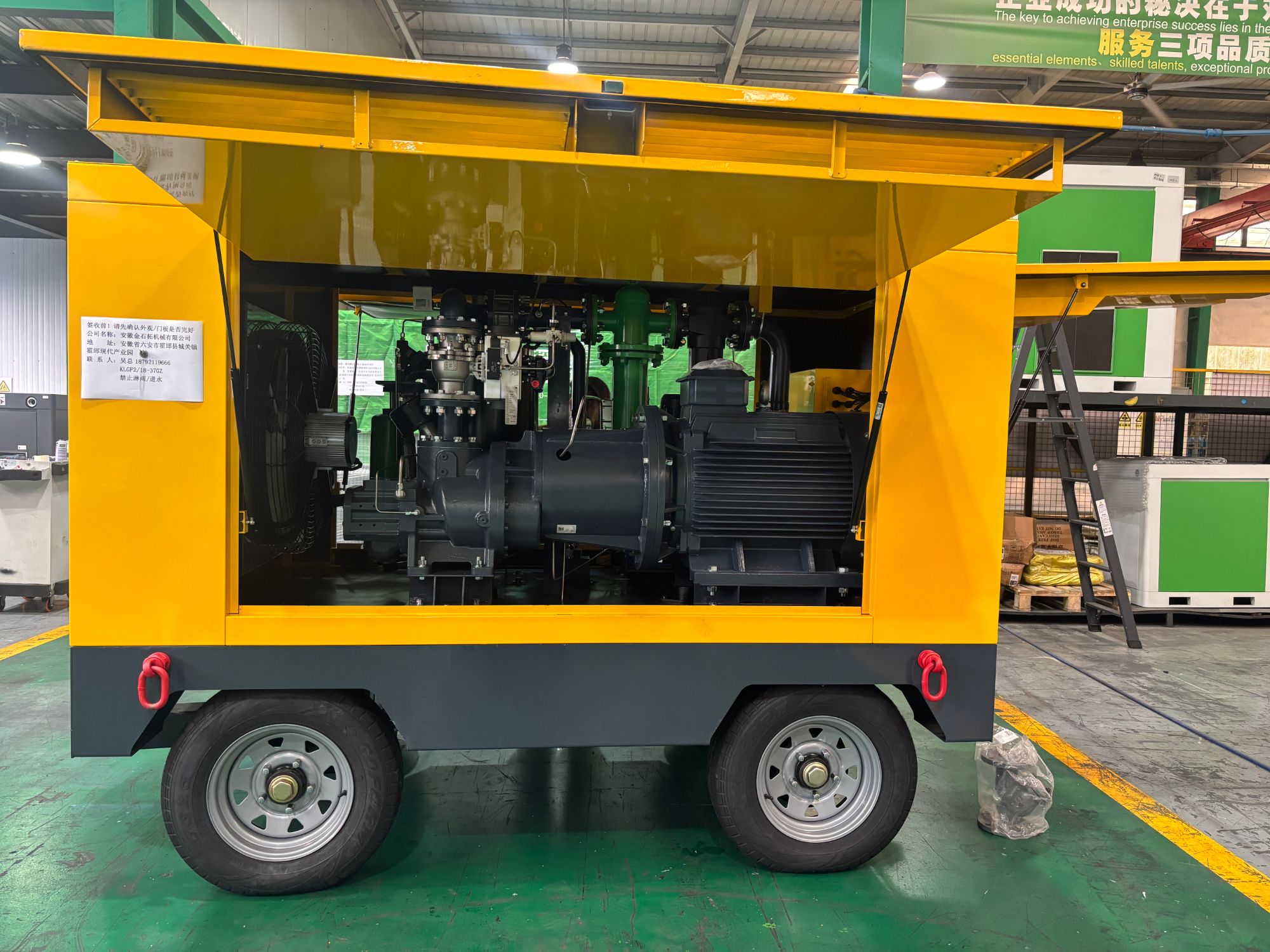
Underground conditions don’t forgive weakness. Moisture seeps into seals, abrasive dust coats moving parts, and corrosive minerals eat away at unprotected surfaces over time. Equipment intended for these settings must be built with materials that shrug off such insults—think stainless steel alloys, polyurethane linings, and ceramic coatings. But toughness isn’t just about the shell; it’s in the details. Exposed wiring harnesses get clamped down, electrical contacts are gold-plated to resist oxidation, and hydraulic fittings are oversized to handle constant vibration without loosening. Every join, gasket, and fastener is chosen to delay the slow grind of subterranean decay.
Maintenance in these depths is rarely convenient. Access is cramped, lighting flickers, and a broken part can bring an entire operation to a standstill. That’s why the machines are designed with serviceability as a core feature, not an afterthought. Quick-release panels, central lubrication points, and modular components that can be swapped with basic tools cut hours of downtime down to minutes. Yet even the best design can’t eliminate the need for constant vigilance. Workers learn to listen for subtle changes in pump rhythm, feel for unusual heat through thick gloves, and spot hairline cracks before they spread. It’s a partnership between brute durability and human attention, forged in the dark.
Safety Certifications Aren’t Enough: What Mining-Specific Standards Actually Matter
Generic safety certifications often fall short in mining because they don’t account for the unique hazards underground—like combustible dust, methane, and ground instability. What truly matters are standards designed specifically for the conditions miners face, not just a rubber stamp from a lab that’s never set foot underground.
Look beyond the CE mark or ISO 9001; what you need is equipment and practices aligned with MSHA Part 7 or CAN/CSA-M424, which govern things like explosion-proof enclosures and intrinsically safe circuits in gassy mines. These aren’t optional extras—they’re non-negotiables when a single spark can trigger a catastrophic blast.
Site-specific hazard assessments under NIOSH guidelines also carry more weight than a generic safety audit. If your drilling equipment hasn’t been tested against the actual rock stress and ventilation patterns of your operation, no amount of third-party certification will keep your crew safe when the roof begins to sag.
The Support Team’s Mining IQ: More Crucial Than a Quick Response Promise
Speed is seductive, but it rarely solves the deeply buried quirks that stall your workflow. Our support engineers approach every ticket like a data forensics case, teasing apart log patterns, version mismatches, and environmental oddities that generic scripts overlook. The real value sits in that investigative rigor—an ability to correlate seemingly unrelated events across your stack until the true culprit surfaces, not just the symptom.
Most support promises hinge on minutes and seconds, yet they miss the silent degradation hollowing out your system's reliability. We train our team to dig into historical ticket trends, configuration drift, and even undocumented side effects of your own custom integrations. This mining mentality uncovers fragility before it becomes an outage, shifting the conversation from reactive firefighting to proactive hardening that pays compound interest on your infrastructure's stability.
You don't just get answers; you get a sharper operational awareness handed back to you. Each interaction becomes a knowledge transfer, because the engineer not only fixed the issue but also mapped out why your setup triggered it and how similar blind spots might lurk elsewhere. That depth of diagnostic skill turns a support channel into a strategic asset, far outstripping any stopwatch-timed guarantee.
Stories from the Pit: How Current Clients Rate Their Compressor Partner
When you’re down in the pit and the pressure’s on, the last thing you need is a compressor that can’t keep up. We hear it all the time from operators who’ve switched to us after a bad experience elsewhere. One drilling contractor told us their previous unit would choke on hot days, costing them hours of downtime. Since partnering with us, they’ve seen a real difference—not just in machine reliability, but in how quickly we respond when something does go sideways. They say it’s like having an extra crew member who actually gives a damn.
Another client, running a mid-sized quarry operation, admitted they used to dread the weekly service calls. Their old supplier treated them like a ticket number. Now, they say our field techs know their site layout better than some of the new hires. That kind of familiarity matters when you’re troubleshooting a unit at 2 a.m. and can’t afford to explain the basics. The feedback we get most often isn’t about the specs—it’s about the absence of headaches. One foreman summed it up: ‘They don’t just sell you a box and vanish.’
Honestly, the stories that stick with us come from the tough jobs. Like the time a pipeline crew hit an unexpected pressure spike and our unit was the only one holding the line. The client’s project manager later told us they’d already started calculating penalty clauses before our tech walked them through a remote adjustment. That kind of trust doesn’t come from a brochure—it’s earned when the gear works and the people behind it show up, no excuses. Those are the stories we hear, and frankly, they’re the reason we keep renovating our approach.
The Hidden Costs: Energy Gulpers vs. Smart Efficiency Over a Decade
When you pick an appliance based on its sticker price alone, you're only seeing a fraction of the story. The real drain begins the moment you plug it in. Take a standard chest freezer, for instance. It may cost a few hundred dollars upfront, but over ten years it can quietly suck up over a thousand dollars in electricity—far more if energy rates keep climbing. These energy gulpers not only fatten your utility bills month after month, they also force your HVAC system to work overtime, adding yet another layer of hidden expense that most shoppers never factor in.
By contrast, a smart-efficiency model rewrites the equation entirely. Pay a bit more at the register, and the savings compound year after year. A modern inverter-driven refrigerator can cut energy draw by up to 40%, and it does it while running quieter and keeping food fresher for longer. Factor in smart load shifting tied to time-of-use rates, and you could be doing your laundry for pennies instead of dimes—without ever lifting a finger. The difference after a decade isn't small change; it's often the price of a family vacation.
Of course, the hidden costs aren't just about kilowatt-hours. There's the longevity angle that nobody talks about. A cheap resistive water heater might need replacement within seven years, while a heat pump version can easily double that lifespan. Over a ten-year window, you're not only avoiding a second installation bill but also dodging the hassle of emergency repairs. When you add up the avoided maintenance, the subtle comfort gains, and the quieter home environment, the smart choice pays dividends that a simple payback calculation can't capture.
FAQ
Look for a track record of installations in harsh underground or surface mining environments, not just generic industrial sites. Suppliers who readily share case studies with dust levels, depth requirements, and continuous duty cycles usually know the real demands.
Ask for a written service-level agreement that includes guaranteed response times for remote diagnostics and on-site visits. Request references from mines with similar equipment, and call them to hear about actual downtime resolution experiences.
Beyond basic ISO 9001, check for certifications relevant to mining safety like MSHA or ATEX for explosive atmospheres. Also, verify that their units are tested to handle the specific altitude, temperature extremes, and corrosive gases common in your operation.
Local presence can reduce logistics delays, but the real value is in their understanding of regional geology and regulations. A supplier with a stocked parts warehouse within a few hours' drive eliminates the need for expensive international airfreight during breakdowns.
Insist on field-testing a demo unit at your actual site for at least two weeks. Monitor energy consumption, airflow consistency under variable loads, and noise levels. Reliable suppliers will agree because they trust their equipment under real conditions.
Energy costs often exceed the equipment price over a few years. Ask for specific fuel or power consumption data at different load profiles, not just a single optimum point. Request to speak with customers who tracked kWh or liters per hour over several mining seasons.
Visit their engineering headquarters if possible, or have a technical video call with their design team. Ask about recent design improvements driven by mining customer feedback. A supplier that can explain failure mode modifications candidly is more likely to deliver durable machines.
A supplier confident in their compressors will offer a warranty covering major components for at least two years and may propose performance-based payment milestones, such as a retention amount until the unit passes initial site commissioning tests.
Conclusion
Selecting a trusted mining air compressor supplier demands scrutiny far beyond glossy brochures and generic promises. The first litmus test is a proven track record in actual underground or open-pit environments, where dust, humidity, and extreme temperatures quickly expose weak links. Look for case studies and references that show reliable performance over years, not just a few months. Equipment durability is non-negotiable: compressors must be engineered with robust components, simplified maintenance access, and corrosion-resistant materials to minimize downtime in remote locations. But durability alone isn’t enough—safety certifications must align with mining-specific standards like MSHA, ATEX, or local regulatory equivalents, not just generic industrial ratings. Ask suppliers how their machines handle gas detection integration, fire suppression, and emergency shutdowns tailored to gassy or volatile mine settings.
Beyond hardware, the supplier’s support team must demonstrate genuine mining IQ—understanding shift schedules, ventilation constraints, and the reality that a one-hour response promise means nothing if the technician doesn’t grasp how a stalled compressor impacts production in a confined space. Current client stories often reveal more than any sales pitch; seek unfiltered feedback on parts availability, rebuild intervals, and how the partner responded under pressure. Finally, dig into the hidden decade-long costs: energy-efficient compressors with variable-speed drives may cost more upfront but slash electricity bills dramatically in continuous operation, while outdated “energy gulpers” erode profitability month after month. A trustworthy supplier helps you model total lifecycle expenses and recommends proactive upgrades, turning the compressor from a cost center into a strategic asset.
Contact Us
Contact Person: Mia
Email: [email protected]
Tel/WhatsApp: +86 19821985894
Website: https://www.seize-air.com