

Innovative Electric Food Truck Factory: Revolutionizing Mobile Cuisine with Sustainable Solutions
2026-04-14
Imagine a bustling city street where the savory aroma of freshly prepared meals mingles with the clean scent of innovation. This is the vision behind the groundbreaking journey of Oriental Shimao's electric food truck factory—a venture set to transform mobile cuisine. As urban landscapes evolve, so too must our approach to food service, blending culinary delight with environmental stewardship. At Oriental Shimao, we're not just building vehicles; we're crafting sustainable solutions that drive a greener future. Our factory spearheads a revolution, merging cutting-edge electric technology with eco-friendly practices to offer delicious, on-the-go meals without the carbon footprint. In this blog, we'll explore how this innovative hub is redefining food trucks, from power-efficient designs to waste-reducing features. Get ready to discover why this isn't just another factory—it's a movement poised to change the way we eat on the move.
Pioneering Modular Food Truck Manufacturing for Modern Entrepreneurs
Imagine stepping into the world of food truck entrepreneurship without the endless hassle of custom builds and unpredictable costs. That's the vision driving our modular food truck manufacturing approach. We've reimagined the entire process by creating a system of interchangeable, pre-designed components that can be mixed and matched to suit any culinary concept. From compact coffee setups to full-service kitchens, everything snaps together like a high-end puzzle, cutting down construction time by up to 60% and giving you a clear, upfront budget. It's not just about building a vehicle; it's about offering a flexible, scalable platform that evolves with your business, empowering you to focus on what you do best—crafting delicious food and connecting with your community.
What truly sets this model apart is its emphasis on sustainability and adaptability. Many modern entrepreneurs prioritize eco-friendly practices, so we've integrated features like solar-ready roofs, energy-efficient appliances, and durable, recyclable materials into every module. Plus, if your menu changes or you want to expand, you can easily swap out sections without starting from scratch. This means your food truck can grow with you, reducing waste and keeping your investment future-proof. It's a smarter way to build, designed for those who value innovation and long-term viability over the traditional one-and-done approach.
Beyond the practical benefits, this pioneering system fosters creativity. Entrepreneurs can experiment with different layouts and features before committing, using our digital configurator to visualize their dream truck in real-time. It demystifies the manufacturing process, making it accessible to first-timers and seasoned pros alike. In a crowded market, this modularity lets you stand out with a uniquely tailored space that reflects your brand's personality, all while maintaining the reliability of a professionally engineered product. It's more than a truck; it's a launchpad for culinary dreams, built to move with the times.
Integrating Solar Power and Eco-Friendly Materials in Mobile Kitchens
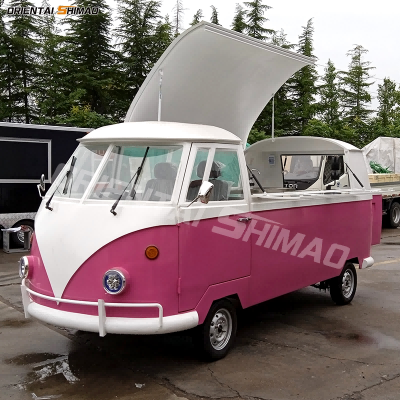
Mobile kitchens have long been praised for their convenience and flexibility, but recent innovations are taking them to new heights by blending solar power with eco-friendly materials. This integration isn't just about reducing carbon footprints; it's a practical solution for off-grid operations, enabling chefs to prepare meals in remote locations without relying on traditional energy sources. Solar panels, when seamlessly incorporated into the design, can power everything from refrigeration to cooking appliances, making these mobile units more sustainable and resilient in diverse environments. By combining this technology with materials like bamboo or recycled composites, manufacturers are crafting kitchens that not only perform efficiently but also minimize environmental impact from production through daily use.
What sets this approach apart is its emphasis on durability and aesthetics, often overlooked in standard mobile setups. Eco-friendly materials aren't chosen merely for their green credentials; they're selected for enhanced longevity and resistance to wear, ensuring that mobile kitchens withstand frequent travel and harsh weather conditions. For instance, solar-powered systems paired with lightweight, biodegradable materials reduce overall weight, improving fuel efficiency for transportation. This synergy allows businesses to project a forward-thinking brand image, appealing to eco-conscious consumers who value sustainability in every aspect of their dining experience.
In practice, integrating solar power and eco-friendly materials transforms mobile kitchens into showcases of modern sustainability. Chefs can leverage these features to experiment with energy-efficient cooking methods, such as induction stoves or solar ovens, while the use of materials like reclaimed wood or low-VOC paints ensures healthier indoor air quality. This holistic design not only cuts operational costs by lowering energy bills but also fosters innovation, encouraging the industry to move beyond traditional models. As more companies adopt these integrations, mobile kitchens may become benchmarks for portable, eco-friendly solutions across various sectors.
Customizable Designs That Elevate Street Food to a Gourmet Experience
Imagine a bustling street food cart transformed into a chic, modular setup where customers can select from curated ingredient stations, blending traditional flavors with artisanal twists. By offering personalized combinations—from handcrafted sauces to sustainably sourced toppings—these designs turn a quick snack into a memorable culinary journey, inviting patrons to co-create their own gourmet masterpiece.
Incorporating sleek, ergonomic materials like reclaimed wood or polished stainless steel, these setups elevate both aesthetics and functionality, ensuring cleanliness and efficiency. Interactive digital menus and eco-friendly packaging add a modern touch, appealing to foodies seeking innovation without sacrificing authenticity, making street food a stylish indulgence.
Beyond mere presentation, these designs prioritize customer engagement through experiential elements such as live cooking demos or flavor pairing suggestions. This approach not only enhances taste but also fosters community, turning a simple meal into a sophisticated social event that rivals upscale dining.
Streamlining Operations with Smart Technology and Energy-Efficient Appliances
Smart technology is transforming how businesses manage their daily operations, offering more than just convenience. By integrating IoT devices and automation systems, companies can monitor everything from inventory levels to equipment performance in real-time. This connectivity allows for quicker adjustments, reducing downtime and improving overall efficiency. For example, smart sensors can alert maintenance teams before a machine fails, preventing costly repairs and keeping production lines moving smoothly.
Energy-efficient appliances play a crucial role in this streamlining process by cutting down on unnecessary power consumption without sacrificing functionality. Modern appliances, such as LED lighting and high-efficiency HVAC systems, are designed to adapt to usage patterns, automatically dimming or adjusting temperatures when areas are unoccupied. This not only lowers utility bills but also contributes to sustainability goals, making operations greener and more cost-effective over time.
When combined, smart technology and energy-efficient appliances create a synergistic effect that boosts operational resilience. Businesses can leverage data analytics from smart systems to optimize appliance usage, scheduling high-energy tasks during off-peak hours or adjusting settings based on real-time demand. This holistic approach leads to a more agile operation, where resources are allocated more intelligently, enhancing productivity while minimizing environmental impact and operational costs.
Reducing Carbon Footprint Through All-Electric Fleet and Sustainable Practices
Transitioning to an all-electric fleet marks a pivotal step toward slashing operational emissions, as electric vehicles (EVs) produce zero tailpipe pollutants and often run on cleaner energy sources compared to traditional gasoline or diesel engines. By integrating EVs into daily logistics and commuting, organizations can cut their direct greenhouse gas emissions substantially, contributing to cleaner air and aligning with global climate goals. This shift not only reduces carbon output but also lowers long-term fuel and maintenance costs, offering a win-win scenario for both environmental and economic sustainability.
Complementing the move to electric vehicles, adopting broader sustainable practices—such as optimizing routes, implementing energy-efficient charging stations, and sourcing renewable energy—can amplify the carbon reduction impact. For instance, scheduling deliveries during off-peak hours or using smart charging systems helps balance grid load and minimizes reliance on fossil fuels. These strategies ensure that the benefits of an electric fleet are maximized, creating a holistic approach to decarbonization that extends beyond just vehicle electrification.
To stand out in today's eco-conscious market, it's crucial to weave these efforts into a compelling narrative that resonates with stakeholders. By transparently reporting progress, engaging employees in sustainability initiatives, and collaborating with green partners, companies can build a reputation as forward-thinking leaders. This not only drives positive environmental change but also enhances brand loyalty and attracts like-minded customers and investors who prioritize green innovation.
Fostering Community Engagement with Mobile Culinary Hubs and Events
In the heart of vibrant neighborhoods, mobile culinary hubs are making a splash by blending delectable food with authentic community connections. These roving kitchens and pop-up markets aren't just serving up tasty dishes—they're redefining how we gather and interact. By setting up in diverse spots, from parks to local festivals, they spark impromptu conversations and create a welcoming space for all, encouraging neighbors to mingle over shared culinary experiences.
Engaging events, like interactive cooking demos or themed food nights, amplify this impact by turning meals into memorable moments that celebrate local culture and foster a sense of belonging. Imagine a truck that not only offers gourmet tacos but hosts taco-making workshops, inviting people to roll up their sleeves and connect through creativity. It's about more than just eating; it's about building lasting relationships in an ever-mobile world.
Through consistent presence and tailored activations, these culinary initiatives cultivate a loyal following and strengthen communal bonds, proving that food truly brings people together.
FAQ
The inspiration stems from a desire to transform street food culture by combining gourmet quality with eco-friendly practices, addressing urban congestion and emissions.
These trucks are custom-built with advanced battery technology, solar panels for auxiliary power, and smart energy management systems, offering zero-emission operations and lower running costs.
Key features include energy-efficient appliances, compostable packaging made from plant-based materials, and water recycling systems to minimize waste and environmental impact.
The factory supports a diverse menu range, from farm-to-table organic dishes to international fusion cuisine, all prepared using locally sourced ingredients to encourage community partnerships.
By promoting renewable energy use and eliminating fossil fuels, the factory reduces greenhouse gas emissions by up to 80% compared to traditional setups, fostering cleaner urban environments.
Entrepreneurs benefit from lower fuel expenses, quieter operations for noise-sensitive areas, and modern designs that enhance customer appeal, making it easier to operate in eco-conscious markets.
Conclusion
The Innovative Electric Food Truck Factory is transforming mobile cuisine through a holistic approach that integrates sustainability and cutting-edge design. By pioneering modular manufacturing, it offers modern entrepreneurs flexible, efficient solutions for launching food ventures. Customizable designs elevate street food to gourmet experiences, combining aesthetics with functionality. Simultaneously, the factory emphasizes eco-friendly practices, incorporating solar power and sustainable materials into mobile kitchens. This reduces environmental impact while enhancing operational efficiency, setting a new standard for the industry.
Further innovation is driven by smart technology and energy-efficient appliances, streamlining operations and lowering costs. The all-electric fleet minimizes carbon footprints, aligning with sustainable practices that resonate with eco-conscious consumers. Beyond technical advancements, the factory fosters community engagement by creating mobile culinary hubs and hosting events, strengthening social bonds. Overall, it revolutionizes mobile cuisine by blending sustainability, customization, and community focus, making it a standout leader in the evolving food truck landscape.
Contact Us
Contact Person: Jack Wang
Email: [email protected]
Tel/WhatsApp: 8618306483516
Website: https://www.orientalshimaofoodtruck.com