

Laser Protection Helmet Export: A Complete Guide for Global Buyers
2026-05-30
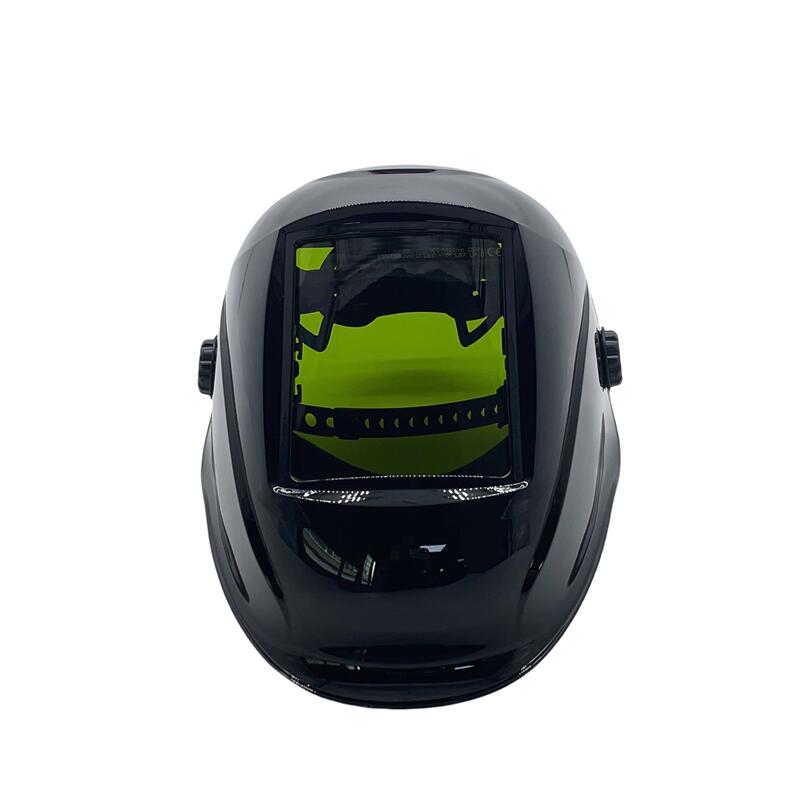
When sourcing high-quality laser safety helmets for international markets, buyers face a maze of regulations, performance standards, and supplier claims. Whether you’re equipping a research lab, a medical facility, or an industrial workshop, the right head protection can mean the difference between safe operations and serious risk. In this guide, we cut through the complexity with a focus on what truly matters—starting with why leading distributors trust LASERPAIR for reliable, certified solutions. Let’s explore the essentials of laser helmet export, from compliance to customization, so you can make confident purchasing decisions.
Why Laser Protection Helmets Are Becoming a Must-Have Worldwide
The surge in laser applications across industries—from precision manufacturing and medical procedures to defense and entertainment—has quietly introduced a new kind of occupational hazard. Unlike blunt-force impacts or chemical splashes, laser exposure can cause irreversible retinal damage in a fraction of a second, often without immediate pain or visible warning. As workplaces integrate more high-powered lasers, traditional hard hats and safety glasses simply fall short, prompting a global shift toward full-coverage laser protection helmets that combine optical filtration with head protection.
Another driver is the tightening of international safety regulations. Updated standards now demand comprehensive personal protective equipment for anyone working near Class 3B or Class 4 lasers, and employers are finding that legacy gear fails to meet these requirements. A laser protection helmet isn't just a shield; it’s a system that integrates certified filter lenses, a comfortable seal against stray reflections, and often features like adjustable attenuation for varying wavelengths. This level of integration is now being mandated in labs, construction sites, and even aesthetic clinics worldwide.
There’s also a growing cultural shift in workplace safety expectations. Workers and technicians are more aware of long-term ocular health risks, and they’re demanding equipment that doesn't compromise on visibility or comfort. Early adopters in Europe and East Asia have shown that when helmets are designed with ergonomics and clear optical quality in mind, compliance rates soar. As these success stories spread, industries from aerospace to automotive are rapidly upgrading their safety protocols, making laser protection helmets a new global baseline rather than a niche accessory.
Decoding Safety Marks: What Global Certifications Really Mean
A CE mark on a product might seem like a universal seal of safety, but it primarily indicates compliance with European Union legislation, not independent testing. It’s the manufacturer’s declaration that the item meets basic health, safety, and environmental requirements, allowing free movement within the European market. Yet for consumers elsewhere, a CE mark offers limited assurance without understanding its context—it’s a gateway, not a guarantee.
Moving beyond regional labels, certifications like UL, CSA, or the UKCA involve rigorous third-party evaluation, often with ongoing factory inspections. These marks signify that a product’s design and production have been scrutinized against specific standards for fire, shock, and mechanical hazards. They’re not just symbols, but testaments to a continuous commitment, often recognized across borders due to mutual recognition agreements—though never assuming automatic equivalence.
Then there are voluntary marks like the GS in Germany or the Australian Regulatory Compliance Mark, which layer additional safety testing or legal obligations beyond basic CE. For professionals selecting equipment, reading these marks correctly means tracing the standard behind the symbol, checking whether it’s current, and verifying the certification body. Ultimately, a mark is only as trustworthy as the system that stands behind it.
Beyond the Beam: Features That Make a Helmet Truly Reliable
A helmet that earns trust doesn’t rely on flashy add-ons. Its reliability is carved from how it handles impact, dispersing force through a well-engineered shell and multi-density liner that absorbs shock before it reaches you. That silent engineering is what matters long after the beam goes dark.
Beyond the obvious, the subtle details hold the real weight. Dial-adjusted cradles that grip without pressure, vents that channel air through channels you can’t see, and straps that stay flat against the skin—these are the unspoken promises of a helmet that won’t let you down when trails get rough and attention shifts to the ride ahead.
Smart Buying: How to Spot Quality Without the Sales Pitch
Walking into a store or scrolling through an online listing can feel like entering a minefield of exaggerated claims. The secret to seeing past the hype is to trust your senses and seek out facts that can’t be faked. Feel the weight of a product, examine the stitching up close, or check the responsiveness of buttons and zippers. A well-made item often reveals itself through small, deliberate details that most sales scripts ignore entirely.
Another trick is to lean on the wisdom of people who’ve already used the thing — not the cherry-picked testimonials, but real, unfiltered feedback. Look for patterns in long-term reviews: do multiple users mention the same fraying seam or fading color after a few washes? That honesty is more reliable than any polished presentation. If you can, ask a friend who owns something similar or check out a floor model that’s been handled by hundreds of shoppers to see how it truly holds up.
Finally, give yourself permission to ignore the urgency that sales tactics try to create. Quality items don’t need a “limited time offer” to prove their worth. Take a step back and compare across brands or stores without the pressure. Often, the products that stand out are the ones that don’t shout — they simply demonstrate their value through materials, finish, and a quiet confidence that outlasts any sales pitch.
From Factory to Doorstep: Mastering the Export Maze
Moving goods across borders isn't just about boxing things up and hoping for the best. It's a tangled web of freight forwarders, customs brokers, and last-mile couriers, each with their own checklists and quirks. One misstep in paperwork can leave a pallet of perfectly good products languishing in a warehouse for weeks, racking up demurrage fees while someone in an office somewhere plays phone tag with a customs officer who insists on an obscure certificate of origin you've never heard of.
What separates a smooth delivery from a logistical nightmare often comes down to sweating the details nobody talks about. Sure, you'll need a commercial invoice and a packing list, but did you know that a single missing harmonized system code can trigger a full inspection? Or that some countries demand wood packaging be fumigated and stamped, and skipping that step means your entire shipment gets rejected at the dock? It's the kind of knowledge that only comes from going through the wringer—and it's rarely spelled out in any manual.
Once you've navigated the tangle of regulations, there's a quiet thrill in seeing that tracking status switch to 'delivered' at a customer's doorstep thousands of miles away. It’s more than just a transaction; it’s a hard-won feat of coordination that ties together production schedules, carrier relationships, and a genuine understanding of local import requirements. Getting it right consistently doesn't just move inventory—it builds trust that no marketing budget can buy.
Building Partnerships That Last Beyond the First Order
True partnership isn’t built on a single transaction—it’s nurtured through consistent, meaningful engagement long after the ink dries. When you treat every order as the beginning of a conversation rather than the end of a sale, you create space for trust to develop organically. This means checking in without an agenda, sharing insights that help their business grow, and remembering the small details that make them feel seen. Clients don’t just want a vendor; they want a collaborator who invests in their success as much as their own.
One of the most overlooked aspects of lasting partnerships is the willingness to adapt without being asked. By proactively suggesting improvements, flagging potential issues before they escalate, and tailoring your approach to their evolving needs, you demonstrate a level of care that goes beyond contractual obligations. This kind of forward-thinking reliability turns a one-time buyer into a loyal advocate who returns not out of habit, but out of genuine confidence in your commitment.
The secret to sustaining these relationships lies in shared growth. When you align your roadmap with their long-term vision, celebrate their wins as your own, and remain transparent during challenges, the partnership becomes resilient to market shifts and competitive pressures. It’s no longer about landing the next order—it’s about building a legacy of mutual success that neither side can imagine walking away from.
FAQ
Don't rely solely on supplier certificates. Ask for test reports from accredited labs such as UL, SGS, or TÜV. The helmet should clearly state the laser wavelength and optical density (OD) it covers, and the frame must be marked with the standard it complies with, like EN 207 or ANSI Z136. If they can't provide traceable documentation, walk away.
Optical density depends on your laser's wavelength, power, and beam diameter. A Class 4 cutting laser needs higher OD than an alignment tool. Provide your laser's full specs to the manufacturer, and they should calculate the required protection level. Never guess—an error can cause permanent eye damage.
Yes, but it's surprisingly rare in budget imports. True customization means adjustable headbands, interchangeable sweatbands, and sizing that accommodates diverse face shapes without gaps. Some factories only offer S/M/L labels but the fit is inconsistent. Insist on samples before bulk orders.
Coated filters reflect specific wavelengths but can delaminate or scratch, reducing protection. Absorptive filters incorporate the laser-blocking material into the glass or polycarbonate, offering more durable protection. For high-power or industrial use, absorptive is generally safer, though slightly heavier. Always check the damage threshold.
Absolutely. Shore pricing often excludes certification renewal fees, mold charges for your logo, or minimum order quantity penalties. Some suppliers charge extra for anti-fog coating or upgraded straps. Request a detailed quotation that breaks down all costs, and clarify whether shipping includes proper protective packaging—these items crack easily if loosely packed.
It's not just about visible damage. Polycarbonate filters degrade under UV exposure and repeated laser hits, even if they look fine. Most manufacturers recommend replacement every 2-3 years, but you should inspect them before each use. Some labs offer recertification services, but it often costs more than buying new, especially for imported models.
Conclusion
Laser protection helmets have quietly shifted from niche industrial gear to a global necessity, driven by the rapid expansion of laser applications in manufacturing, medicine, and aesthetics. Understanding why they matter is only the start—deciphering safety certifications like CE or ANSI is where many buyers stumble. These marks aren't just bureaucratic stickers; they embody rigorous testing that ensures a helmet can handle specific wavelengths and power levels. But real reliability goes beyond the beam: a helmet that fogs up, feels like a vise, or cracks under daily wear defeats its purpose. Ventilation, weight distribution, and optical clarity keep workers compliant and safe, making ergonomics as critical as the filter itself.
Smart sourcing means cutting through glossy brochures and verifying the facts that count—optical density curves, material traceability, and batch testing records. Once the product passes scrutiny, the export maze looms: fragmented logistics, customs hurdles, and shifting regulations can snag even seasoned buyers. The difference between a headache and a smooth delivery often lies in the supplier's grasp of international shipping protocols. Yet the real prize isn't a single shipment—it's forging a relationship that outlasts it. Trust emerges when factories offer transparent quality data and solve problems before you notice them. In the end, treating the export journey as a collaboration rather than a transaction turns a helmet order into a long-term partnership.
Contact Us
Contact Person: Jenny
Email: [email protected]
Tel/WhatsApp: +86 13537713281
Website: https://www.laserpair-safety.com/