

Lip Gloss Tube Company Essentials Every Beauty Brand Should Know
2026-09-02
Picture the moment a customer twists open a lip gloss tube—the soft click, the gleam of the applicator, the effortless glide. That first impression is your brand’s silent handshake, yet so many beauty labels overlook the very vessel that delivers it. From barrier-friendly materials to leak-proof wand systems, the right lip gloss tube isn’t just packaging; it’s your formula’s final touch. Whether you’re scaling a new shade or relaunching a hero product, the essentials covered here will help you avoid costly redos and win shelf appeal. And for those seeking a partner who gets the details right, Sanrong Packaging has been quietly solving these challenges for brands worldwide.
Material Matters: Beyond Basic Plastic for Lip Gloss Tubes
When your customers pick up a lip gloss tube, the first thing they feel is the material—and that sensation sets the tone for everything else. Standard polypropylene and PETG dominate the market because they are cheap and widely available, but they rarely convey a sense of luxury or durability. Stepping beyond basic plastic means exploring alternatives like frosted acrylic, recycled ocean-bound polymers, or even bio-based resins derived from sugarcane. Each brings a unique weight, texture, and visual depth that transforms a throwaway component into a tactile brand statement. For example, a matte-finish acrylic tube feels cooler to the touch and resists fingerprints better than glossy PETG, while still allowing precise color matching. The right material choice also impacts shelf life: some bio-plastics offer better moisture barriers, preventing the gloss formula from drying out or leaking over time.
Beyond feel and function, material selection directly shapes your sustainability story without shouting about it. Many brands default to virgin plastic because supply chains are simple, but post-consumer recycled (PCR) content can now be sourced with consistent clarity and strength for lip gloss tubes. A tube made from 70% PCR polypropylene looks nearly identical to virgin material, yet it reduces landfill waste and carbon footprint by double digits—facts your customers appreciate when they read the fine print. Alternatively, mono-material designs using a single polymer grade make the entire tube easier to recycle, unlike multi-layer laminates that end up in incineration. Some manufacturers now offer refillable tubes with a durable outer shell and replaceable inner cartridge, cutting repeat plastic use by up to 80%. These choices move the conversation from “basic plastic” to “smart material strategy” without adding a premium price tag.
Finally, think about how the material interacts with decoration and branding. Basic clear tubes limit you to simple screen printing, but upgraded materials open doors to soft-touch coatings, laser etching, or embedded metallic flakes that catch light differently. A frosted tube with a polished window creates a jewelry-like reveal for the gloss shade, while a sugarcane-based resin can be tinted pastel colors that standard PET cannot achieve without opacity loss. Even the closure mechanism benefits: a heavier, glass-like acrylic cap clicks shut with a satisfying weight, whereas flimsy plastic feels loose after a few uses. Testing small batches of alternative materials against your current tube will reveal which upgrade delivers the biggest perceived value lift—often without changing your tooling or assembly line. In the end, material matters because it is the silent ambassador of your brand every time someone reaches for a touch-up.
Customization That Converts: Designing Tubes That Sell Themselves
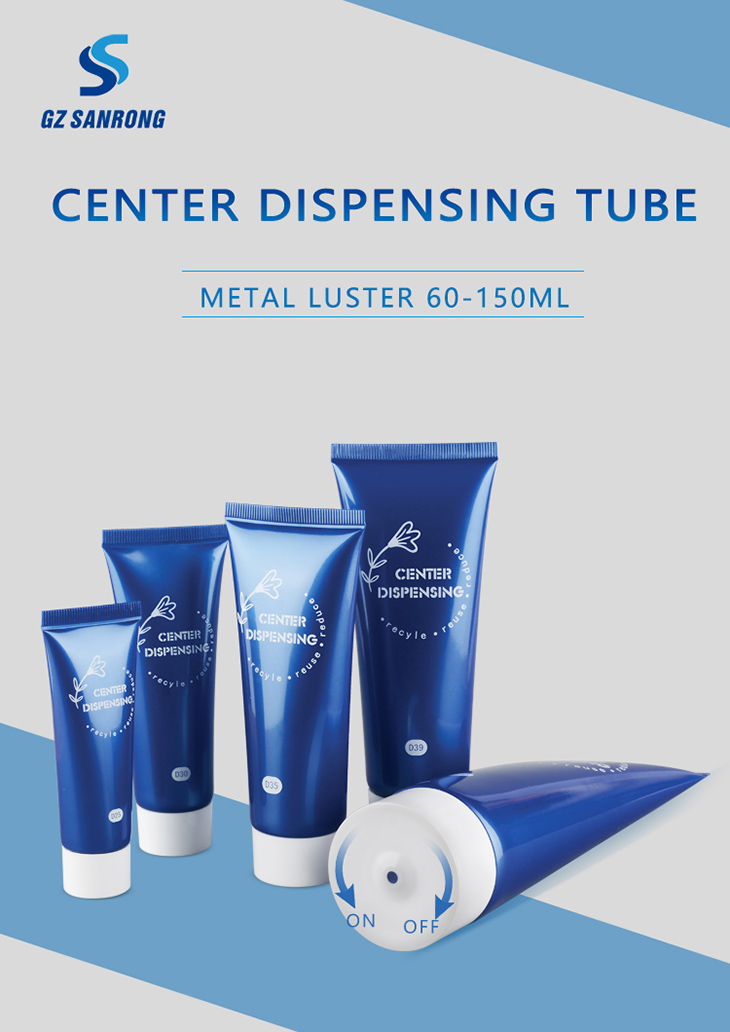
Every tube on a shelf is a promise. The moment a shopper picks one up, the finish, weight, and squeeze feel either deepen that promise or break it. Customization works because it turns a commodity into a sensory choice. Soft-touch matte coatings, metallic caps that click shut with a satisfying snap, or a nozzle shaped for one-handed precision aren't just design extras—they're silent arguments for why this product deserves the price and the spot in someone's bathroom.
Brands that treat the tube as part of the product experience, not just a container, see conversion lift without shouting. A slightly oval shoulder, a frosted window that shows how much is left, a peel-back label with a hidden tip or routine reminder—these details answer questions buyers haven't asked yet. They make the package feel considered, and considered packages make the brand feel trustworthy.
The strongest custom tubes create a reason to share. Limited-run artwork, initials, or a color that doesn't exist on any competitor's shelf gives customers a small ownership moment. That turns a purchase into a conversation piece, and the tube itself becomes the ad—sitting on a counter, posted in a flat lay, or handed to a friend. When the design sells the product before any description is read, customization has done its job.
Eco-Conscious Packaging: How Sustainable Tubes Build Brand Loyalty
When a customer picks up a product, the first physical touchpoint isn't the formula inside—it's the tube they hold. For eco-conscious brands, that tube has become a quiet ambassador. A tube made from post-consumer recycled plastic, sugarcane-based biopolymers, or even fully recyclable aluminum doesn't just reduce waste; it tells a story. And consumers are listening. Recent surveys show that over 60% of shoppers actively consider packaging materials before buying, and many are willing to pay a small premium for brands that align with their values. The result? A single switch to a sustainable tube can turn a routine purchase into a statement of shared belief, planting the seed for long-term loyalty.
But loyalty isn't built on materials alone—it's built on trust. Brands that use vague terms like "green" or "earth-friendly" without specifics risk backlash, while those that clearly label their tubes as "made from 70% ocean-bound plastic" or "certified home-compostable" create transparency. This honesty invites customers to feel like informed partners, not passive buyers. Moreover, sustainable tubes often come with functional benefits: lighter weight reduces shipping emissions, and squeezable designs get every last drop out, minimizing product waste. When users experience both the ethical and practical advantages, their reason to repurchase strengthens. They aren't just buying a moisturizer or toothpaste; they're endorsing a system that works.
Over time, this relationship deepens into advocacy. Loyal customers share unboxing moments on social media, praise the brand in reviews, and even defend it during greenwashing accusations. They become part of the brand's narrative. A well-designed sustainable tube also becomes a keepsake—refillable options or return-for-recycling programs keep the brand top of mind between purchases. The takeaway is simple: in a crowded market, a thoughtfully engineered tube does more than hold product. It holds a promise, and consumers reward brands that keep it.
Quality Control Secrets: Ensuring Every Tube Meets Your Standards
The real secret to consistent tube quality starts long before the first inspection check. We track every raw material batch—slight shifts in alloy composition or polymer melt flow can ripple through the entire extrusion or welding line. Instead of waiting for a final reject pile, our operators log each coil or resin lot against its source certificate, and we adjust line speed or temperature setpoints based on that history. It's a quiet, daily habit that keeps surprises off the customer's dock.
Most plants rely on handheld gauges and a clipboard, but that misses the drift happening between samples. We've moved to continuous, in-line sensing: laser micrometers on the OD, ultrasonic thickness probes rotating around the circumference, and a pressure transducer at the die. The data streams into a simple dashboard that flags any tube running outside a ±0.05 mm window in real time. When a trend starts creeping toward the upper limit, a floor alert goes off before the length even reaches the cooling bath—no offline lab test needed.
And then there's the human side, which no sensor can replace. Every new operator spends a shift cutting apart rejected tubes to see exactly what a cold weld or a thin wall feels like under their fingers. That tactile memory is what keeps them from overriding an alarm or nudging a dial just to hit quota. We also keep a "failure wall" near the break room with actual samples from customer returns—each one tagged with the date, the defect, and what we changed to prevent it. It's not about blame; it's about making the standard physically unforgettable.
Smart Sourcing: Balancing Cost, MOQs, and Lead Times for Tubes
Tubes rarely come with a perfect trifecta of low cost, small minimum order quantities, and fast turnaround. The real craft lies in knowing which lever to pull for each project. If a prototype run needs only a few dozen pieces, a supplier with a higher unit price but no MOQ often beats a volume discount that leaves you warehousing thousands of unused tubes. Conversely, when a production schedule is locked, paying a modest premium for guaranteed lead times can prevent line-down costs that dwarf the tube spend itself.
Start by mapping cost against MOQ and lead time as a three-variable trade space, not a single vendor score. Ask suppliers what changes at 500, 1,000, or 5,000 units. Some factories drop prices sharply after a threshold while others barely move. Ask about partial shipments and buffer stock agreements rather than accepting rigid terms. A vendor willing to hold safety stock for you can decouple MOQ from immediate cash flow, letting you order smaller batches without abandoning the volume price tier.
Lead time is often the easiest place to negotiate. Ask whether a quoted eight weeks includes raw material procurement, tooling setup, or just extrusion and cutting. You might shave two weeks by approving a standard alloy instead of a custom blend, or by paying for expedited freight on a small first batch while the balance ships at normal speed. The goal is not the cheapest tube, but the sourcing pattern that keeps your own production moving at the lowest total cost.
Future-Proofing Beauty: Emerging Trends in Lip Gloss Tube Design
The shift away from single-use packaging is quietly reshaping lip gloss tubes into refillable vessels that feel closer to jewelry than disposables. Instead of the familiar flimsy plastic wand, expect to see anodized aluminum cores, weighted glass bases, and threaded mechanisms engineered for dozens of refills. Brands are betting that consumers will pay more upfront for a tube that develops a patina of personal use—a tiny dent here, a worn label there—rather than tossing another empty into the bathroom bin.
Texture is becoming the new color story. Soft-touch silicone sleeves, ribbed grips, and even heat-reactive surfaces that shift hue with body temperature are turning the tube into a fidget toy that lives in a pocket, not a drawer. Some prototypes embed micro-etched patterns that catch light differently as the product level drops, giving the object a second life long after the gloss is gone. This tactile layer makes the act of applying gloss feel less like a routine and more like a small ritual.
Connectivity is sneaking in without a screen in sight. Tiny NFC chips are being laminated into the base of select limited runs, allowing owners to tap their phone to the tube and unlock shade-matching tutorials or refill reminders. The appeal isn't gimmickry—it's the quiet removal of guesswork: a worn-down tube can order its own replacement cartridge before the last swipe runs dry. That kind of embedded intelligence may well become the default expectation for beauty packaging within the next three years.
FAQ
Ask about their minimum order quantities across components like caps, bases, and wipers, and whether they hold molds in-house. Also request physical samples from current production, not pre-production prototypes, to assess finishing quality under real conditions.
Polypropylene and PETG are common, but the inner lining matters more than the outer material. Some formulas with certain esters or essential oils can stress cheaper plastics, leading to cracking or clouding. Ask the supplier for compatibility testing with your exact formula, not a generic sample.
Yes, especially around decoration and assembly. Multi-pass silkscreen or hot stamping may have setup charges per color, and cap lining or torque testing can add per-unit costs. Get a line-item breakdown that includes rejects and packaging.
Soft-touch finishes, custom cap shapes, and unique applicator angles tend to stand out more than another gold logo. But avoid over-customizing internal parts unless you have enough volume; tooling for a custom wiper can take months and tie up cash.
A realistic timeline is six to ten weeks for standard components with decoration, and twelve to sixteen weeks if new molds are involved. Buffer for shipping delays and quality inspections, and never schedule a launch based on the supplier's best-case estimate.
Leaking at the wiper or cap threads, inconsistent doefoot length, and silkscreen that rubs off after a few uses. Request a leak test report and ask how they control torque on caps; a supplier that can't answer clearly is a red flag.
For first launches, stock molds reduce risk and upfront cost. Once you have repeat orders and a signature aesthetic, custom tooling gives you exclusive shapes and can lower per-unit cost at higher volumes. Just negotiate mold ownership before paying.
Ask for certifications like ISCC or GRS, but also request the percentage of post-consumer recycled content in the specific tube you're ordering, not the company's overall average. Confirm whether the tube is actually recyclable in curbside systems or only through special programs.
Conclusion
A lip gloss tube is far more than a vessel for product; it is the first tactile conversation between a brand and its customer. Leading suppliers have moved beyond standard plastic to offer materials like thick-walled PET, acrylic, and even glass-like copolyesters that resist scratching and preserve formula integrity. Customization drives conversion when it goes beyond a logo. Soft-touch finishes, unique silhouettes, and angled applicators create a sensory experience that encourages sharing and repeat purchases. Eco-conscious options no longer mean a compromise on aesthetics. Brands using post-consumer recycled content or refillable designs often see stronger loyalty, because customers increasingly expect packaging to reflect their values without sacrificing the luxurious feel of a gloss.
Quality control is the quiet backbone of a reliable tube supply chain. It involves more than visual inspection: leak tests, torque testing on caps, compatibility trials with different gloss formulas, and drop tests during transit simulation. Smart sourcing means balancing unit cost against minimum order quantities and lead times. A manufacturer who can offer tiered MOQs or flexible production runs gives emerging brands room to test new shades without overcommitting. Looking ahead, the most forward-thinking tube companies are experimenting with mono-material constructions for easier recycling, airless mechanisms for longer shelf life, and smart features like QR-enabled authentication or refill reminders. Beauty brands that treat their tube partner as a strategic collaborator, not just a vendor, will be better positioned to adapt as consumer expectations shift.
Contact Us
Contact Person: Alex Wu
Email: [email protected]
Tel/WhatsApp: 86-20-37965868
Website: https://www.gzsanrong.com/en.html