
LLDPE Geomembrane Exporter Due Diligence Steps for Risk-Free Procurement
2026-08-25
What does your LLDPE geomembrane exporter not want you to check? Most buyers fixate on price per square meter while the real risks hide in mill certificates, third-party testing gaps, and batch traceability. Risk-free procurement isn’t about luck—it’s about a repeatable due diligence process. JInseed Geosynthetics Solution has turned years of supplier audits into a practical checklist, so you can separate reliable exporters from paper-only traders before the container ever leaves the port.
Peeling Back the Exporter’s Track Record Before You Commit
A glossy website and a few polite emails can only tell you so much. If you're on the verge of signing a purchase order or wiring a deposit, slow down and dig into the exporter's actual history. Pull shipment records, check port data if available, and ask for references from buyers in your region—not just the ones the exporter handpicks. A consistent pattern of on-time dispatches, accurate documentation, and clean customs clearance says more than any sales pitch.
Look beyond the surface-level metrics. How does the exporter handle disruptions? Ask for examples of delayed orders, quality disputes, or packaging failures, and listen carefully to how they resolved them. A track record without a single hiccup is either too short to matter or too polished to be true. The exporters worth committing to are the ones who can walk you through their mistakes and show the corrective actions they took.
Finally, verify the legal and financial standing behind the name. Check registration details, export licenses, and any pending litigation or trade violations. Cross-reference the company's claimed export volume with third-party trade data if you can get it. This kind of background check may feel tedious, but it's far cheaper than untangling a bad deal after your money is gone.
Factory Audits: Seeing Beyond the Flashy Brochure
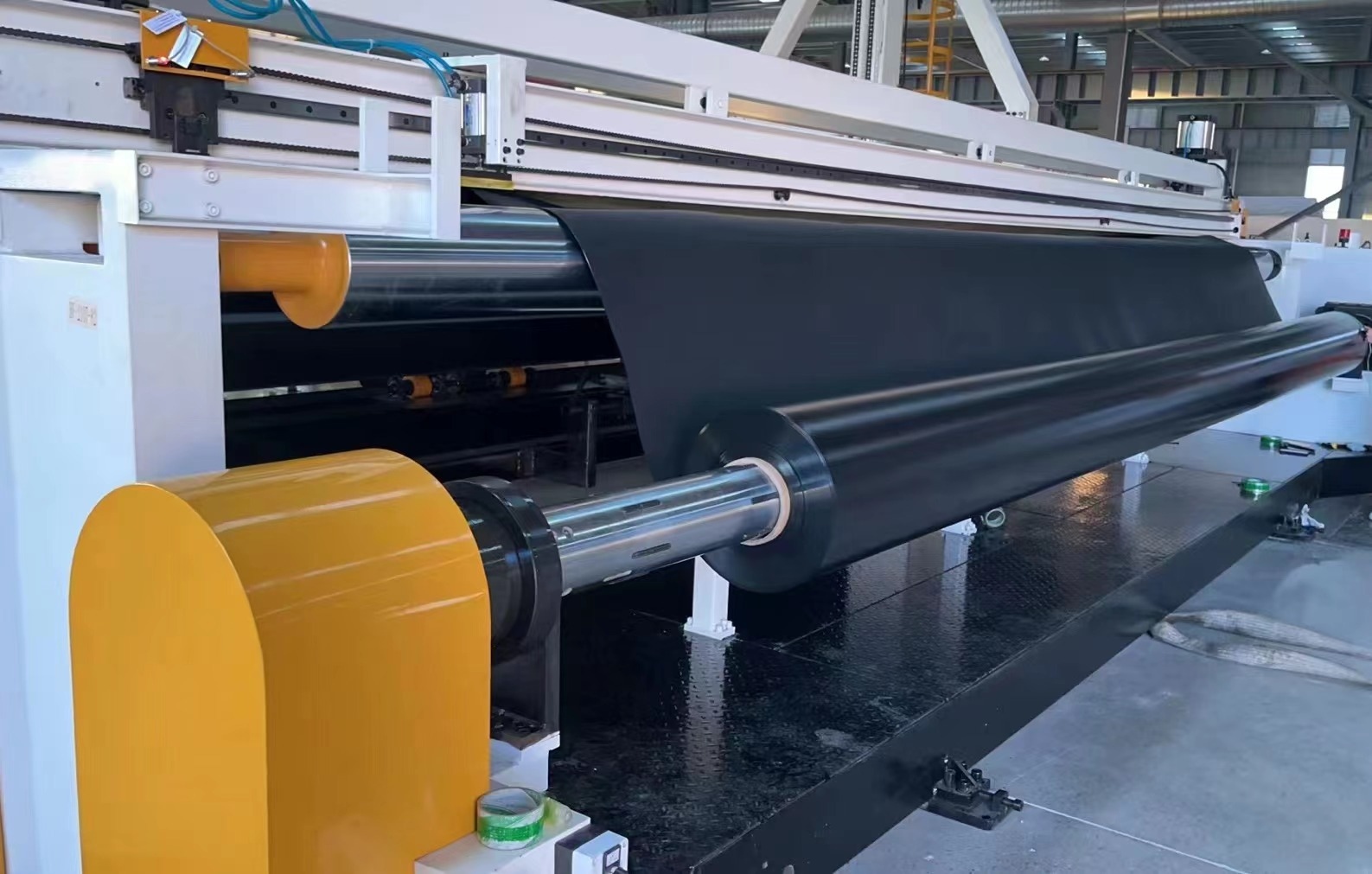
A glossy brochure can paint a factory as state-of-the-art, but the real story unfolds on the production floor. During an on-site audit, you notice things no PDF can hide: the hum of well-maintained machinery, the rhythm of workers who know their stations, or the faint smell of cutting oil that signals actual manufacturing rather than a staged showroom. These small, unscripted details reveal whether a supplier genuinely controls its processes or merely photographs them well.
Beyond the equipment, the audit begins with human observation. Are quality checkpoints manned by alert inspectors or by workers scrolling through phones? Do supervisors respond to a jammed conveyor with calm troubleshooting or panicked improvisation? A factory that sweeps scrap into corners five minutes before your arrival has already told you everything about its daily discipline. The most telling audits often happen when you wander off the guided path and watch how problems are handled, not how they are prevented on paper.
Paper trails matter, but they must be cross-examined. Ask for the last three nonconformance reports, not the framed ISO certificate. Look at the maintenance logs for the machine that produces your component, and if the dates look suspiciously neat, ask to see the oil-stained original. Smart buyers know that a factory's willingness to share its messy, real-time records is a stronger signal than any polished capability statement. In the end, trust is built in the unglamorous corners where a supplier shows you how it actually works, not just how it markets itself.
Material Traceability and Resin Quality: The Overlooked Essentials
When a batch of resin arrives at the production floor, few operators pause to consider where the polymer actually came from. A certificate of analysis might list melt flow index or tensile strength, but the story behind those numbers—the source of the monomer, the reactor conditions, the handling during shipping—rarely makes it into the conversation. Yet that backstory quietly determines whether a supposedly identical grade will run smoothly or cause hours of downtime. Traceability is not about paperwork; it is about knowing which hidden variables are baked into the material before it ever reaches the hopper.
Resin quality, in turn, cannot be judged solely by a datasheet. Two lots of the same nominal grade can differ in residual moisture, additive dispersion, or even the presence of low-level contamination introduced during pelletizing. These differences often stay invisible until they show up as warpage, surface defects, or inconsistent color. The overlooked essential is to treat each lot as a unique ingredient with its own fingerprint. By linking that fingerprint back to the raw material source and processing history, manufacturers stop reacting to defects and start anticipating them.
The payoff is rarely dramatic, but it is consistently real: fewer trial-and-error adjustments, less scrap, and more predictable cycle times. Ignoring traceability and resin quality might save a few minutes of administrative work today, but it guarantees expensive surprises tomorrow. The production teams that thrive are the ones who ask not just “what grade is this?” but “where has this material been, and what does that mean for how it will behave?” That shift in perspective is where genuine process control begins.
Packaging, Loading, and Transit Safeguards That Prevent Costly Surprises
Every shipment that leaves your facility carries more than just product—it carries your reputation through every bump, turn, and weather shift. Packaging decisions often get treated as an afterthought until a pallet collapses or a carton soaks through. The real safeguard starts with matching the package to the actual journey: corrugated strength for stacked freight, moisture barriers for humid lanes, and void fill that keeps items from shifting without adding dead weight. Using the same box for a two-mile local run and a cross-country rail transfer is a recipe for hidden damage that only shows up as a customer refusal days later.
Loading sequence is where many well-packed orders fall apart. Heavier cartons placed on top of lighter ones crush corners; uneven weight distribution causes tipping during forklift turns; and unbraced pallets allow lateral slide that tears stretch wrap. A quick pre-load checklist—base layer stability, interlocking patterns, and a final shake test—catches most failures before the dock door closes. Pair that with transit safeguards like edge protectors for strapped loads and temperature logs for sensitive goods, and you eliminate the small oversights that turn into chargebacks, reshipments, and lost repeat business.
The costly surprises rarely announce themselves in the warehouse. They appear as creased boxes on a receiving camera, a tipped skid in the carrier’s yard, or a product that arrives visually intact but internally compromised. Building redundant protection into the three stages—pack, load, and move—creates a buffer against variables you can’t control: potholes on rural routes, rushed handlers at transfer hubs, and sudden climate shifts inside trailers. When each layer assumes the next one might fail, the overall system stops being fragile and starts acting like insurance you never have to file a claim on.
Payment Structures That Keep Leverage Firmly on Your Side
Smart negotiators know that leverage rarely comes from a signed contract alone—it lives in how and when money changes hands. A payment structure built around phased milestones, rather than a single lump sum at delivery, keeps both parties invested but leaves you with room to pause if the work drifts. For service providers, requesting a non-refundable deposit before any work begins filters out tire-kickers and protects your calendar from last-minute cancellations.
The real advantage shows up in the details: tying final payment to acceptance criteria instead of a calendar date, holding a portion in escrow for larger deals, or adding a modest late fee that compounds after a short grace period. These aren't punitive moves—they simply make it expensive for the other side to stall, change scope, or walk away without consequence. Once the structure is in place, you stop chasing payments and start managing outcomes.
Post-Delivery Protocols: Handling Claims Without the Headache
Most claims after delivery spiral into frustration because the process is reactive and vague. Instead of waiting for angry emails, set a clear, short window for filing claims—24 to 72 hours works well—and make that window visible in every order confirmation and delivery notification. This cuts down on the "I just noticed this weeks later" cases and gives your team a defined scope to work within. It also signals that you take delivery seriously without leaving the door open indefinitely.
When a claim does come in, don't ask the customer to repeat the whole story. Build a simple intake that requests three things: the order number, a photo or video of the issue, and a one-sentence description of what went wrong. Then automate the first response—not with a generic "we'll look into it," but with a message that acknowledges the specific item and gives a real timeline for review. For example, "Got your note about the damaged corner on the oak shelf. We'll confirm replacement or refund within one business day." This level of specificity removes the back-and-forth that usually eats up hours.
Finally, treat every resolved claim as a chance to fix the root cause. Log the reason codes—packaging failure, carrier mishandling, wrong item, etc.—and review them monthly. If the same problem keeps appearing, change the protocol: switch box sizes, add corner protectors, or re-train pickers. Customers remember how smoothly you handled a bad situation more than the bad situation itself, and the fewer claims you generate over time, the less headache for everyone.
FAQ
Ask for the company's business license, export registration, and a list of projects supplied in the last three years. Cross-check those project names with end users or contractors where possible. A genuine exporter will share shipment records and references without hesitation; vague claims about 'many overseas clients' should raise suspicion.
Request samples from current production, not showroom pieces, and send them to an independent lab for thickness, density, tensile, and carbon black dispersion tests. Compare the lab results against the exporter's in-house QC report. Discrepancies above the tolerance in ASTM D5199 or GRI-GM13 indicate either poor process control or deliberate downgauging.
You'll want a signed pro forma invoice with exact product specs, a quality assurance certificate tied to the lot number, a mill test certificate from the resin supplier, a certificate of origin, and a packing list that matches the container seal. Also ask for the exporter's ISO 9001 certificate and confirm its scope includes geomembrane manufacturing, not just trading.
LLDPE resin grade and stabilizer package determine long-term stress crack resistance and UV life. Reputable exporters buy resin from known petrochemical producers and can show purchase invoices for the specific grade used in your order. Some traders blend recycled or off-spec resin to cut costs; that undermines weld strength and durability, so traceability of resin lots is essential.
Hire a third-party inspection agency to witness production, sample at line, and monitor testing of melt flow index, carbon black dispersion, and thickness profile. They can also check the factory's calibration records and whether the production line outputs match the claimed daily capacity. A factory that refuses live video or third-party access during production likely has something to hide.
Agree on Incoterms, loading port, and whether the rolls are wrapped in UV-resistant film and placed on fumigated wooden pallets. Specify the maximum number of rolls per container, require photos of the container interior before sealing, and choose a freight forwarder with experience handling oversized geomembrane rolls. Small oversights like missing pallet labels often cause customs delays.
Ask how they handle a batch that fails on-site welding or shows thickness defects after delivery. A credible exporter will outline a replacement or credit process, maintain insurance for cargo, and keep the same sales engineer involved throughout the project. If they dodge warranty questions or insist on 'final sale' terms, treat that as a warning sign.
Conclusion
Scrutinizing an LLDPE geomembrane exporter before signing any contract means going far beyond a polished website or a few emailed references. You need to dig into the exporter's actual shipment history, ask for verifiable proof of past projects with similar product specifications, and contact previous buyers directly—not just the ones they volunteer. Cross-check the exporter's claims against shipping records, customs data, or third-party inspection reports. A track record built on one successful small order doesn't guarantee consistency at scale, so look for repeat business from the same clients and evidence of handling complaints professionally. While checking references, push for details on how the exporter resolved quality disputes or delayed deliveries; a supplier who has never faced a problem is either lying or hasn't done much business.
Factory audits must be done in person or through a trusted third party, focusing on extrusion lines, raw material storage conditions, and quality control labs rather than just the front office. Verify that the resin feedstock is genuine virgin polyethylene, not recycled or off-spec scrap passed off as prime, because resin quality directly determines long-term stress crack resistance and seam strength. Ask for certificates of analysis for each resin batch and trace the lot numbers back to the manufacturer. Packaging matters too: ensure rolls are wrapped with UV-stable film, protected from edge damage, and loaded in containers with proper blocking and bracing to prevent shifting during ocean transit. Structure payments so you retain leverage—never pay in full before shipment, use letters of credit with inspection clauses, and withhold a retention amount until post-delivery testing. Finally, agree in writing on claim procedures: time limits for notification, independent lab testing protocols, and remedies like replacement or credit. This combination of deep background checks, onsite verification, material traceability, logistical safeguards, balanced payment terms, and clear claims handling transforms due diligence from a checkbox exercise into genuine risk elimination.
Contact Us
Contact Person: Jerry Qiu
Email: [email protected]
Tel/WhatsApp: +65 84265294
Website: https://www.jinseed-geo.com