
Modacrylic Fabric Manufacturer Insights: Quality, Safety, and Innovation
2026-07-07
Quality, safety, and innovation aren’t just benchmarks in modacrylic fabric manufacturing—they’re the foundation of every fiber. At DROTEX, these principles come alive through decades of expertise and a relentless drive to redefine industry standards. Dive in to explore how we’re shaping the future of protective and performance textiles.
The True Test of Flame Resistance
When we talk about flame resistance, we're not just describing a material that won't ignite. The real measure lies in its behavior under extreme, prolonged exposure—how it chars, how it shields, and whether it buys precious seconds when it matters most. Standardized lab tests offer a baseline, but they rarely replicate the chaotic reality of a flash fire or an electrical arc. That's why engineers push materials beyond their certified limits, observing failure modes that data sheets never reveal.
A true test isn't a single pass-fail verdict; it's a narrative of degradation. Does the fabric shrink away from the flame or stiffen into a brittle shell? Does it emit insulating gases that dampen heat transfer, or does it crack open, exposing skin to a fatal second wave of heat? These nuances separate materials that merely meet a code from those that actually safeguard lives in the unpredictable environments where fire feeds on confusion and oxygen.
The most telling trials blend controlled science with real-world unpredictability. Custom rigs that simulate a fuel-fed explosion, thermal manikins mapped with heat flux sensors, and post-burn forensic analysis reveal how protection unfolds—or collapses—in the moments that count. True flame resistance isn't a property you can capture in a single number; it's a dynamic performance that demands to be witnessed, not just certified.
Inside a Modacrylic Production Line
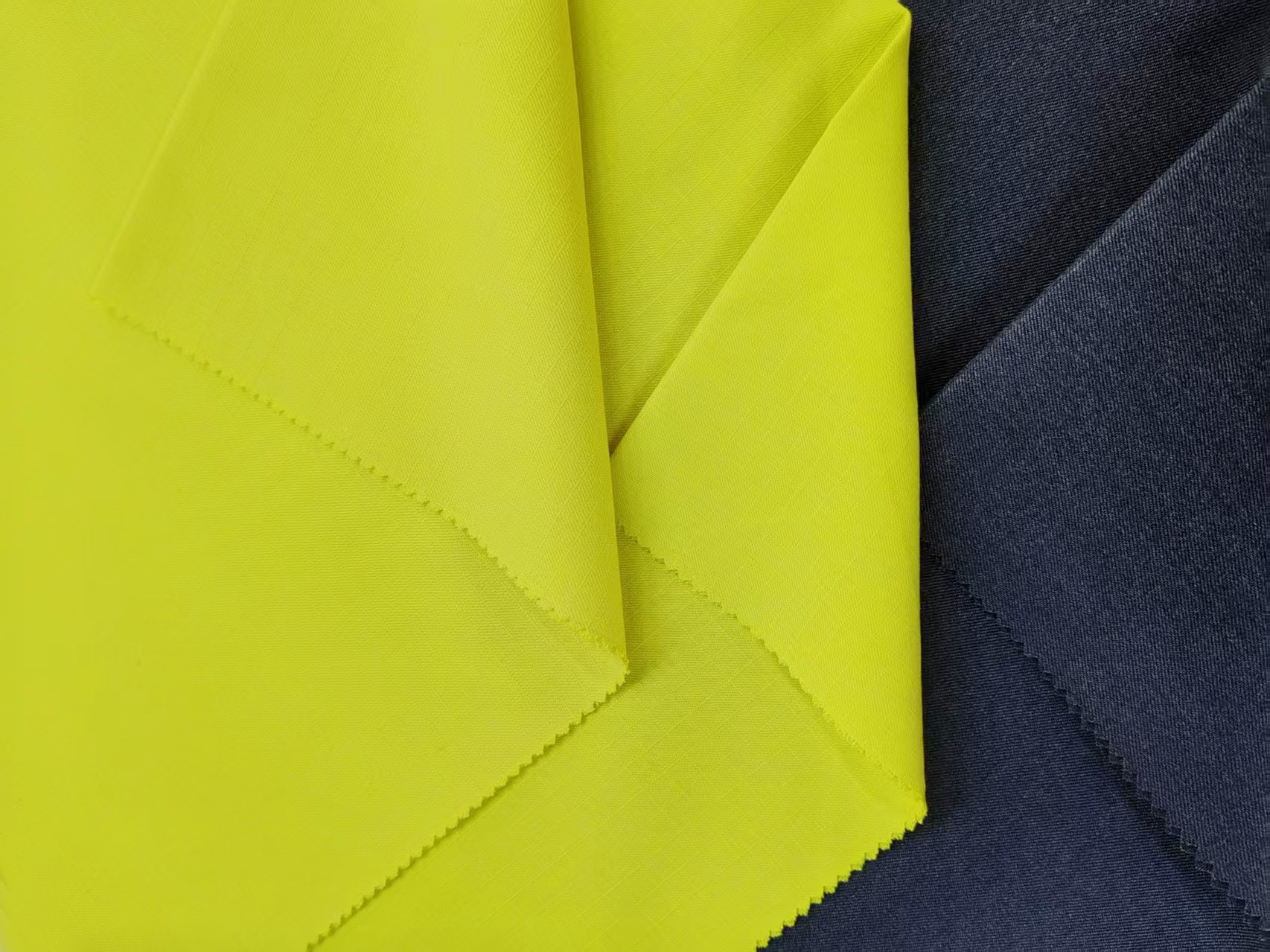
Stepping onto the production floor, the air hums with the rhythmic clatter of machinery. Bales of raw acrylonitrile and other comonomers sit in neat rows, waiting to be transformed. The process begins in giant polymerization kettles, where precise mixtures are heated and agitated under controlled conditions. It's a delicate chemical ballet—the ratio of ingredients, the temperature curve, and the catalyst timing all dictate the fiber's final flame-resistant properties. Unlike natural wool, which can be inconsistent, every batch here is engineered for uniformity. Technicians monitor the reaction through sealed portholes, adjusting parameters on touchscreens as the viscous dope slowly takes shape.
Once the polymer is ready, it's forced through spinnerets—metal plates riddled with thousands of microscopic holes. The emerging filaments are drawn downward through a coagulating bath, where they solidify into continuous strands. Watching the process feels like seeing liquid turn to magic. The fibers are then stretched, sometimes up to four times their original length, aligning the polymer chains for strength and flexibility. A wash cycle removes residual solvents, and a crimping unit gives the tow a wool-like texture. It's a noisy, steamy section of the line, but the workers move with practiced ease, their eyes catching flaws that sensors might miss.
The final stages are all about finishing touches. The modacrylic passes through a dryer that sets the crimp and then into a cutting machine that chops it into precise staple lengths—usually matched to the needs of the customer, whether for blending with other fibers or for nonwoven applications. Quality control chemists pull samples every hour, testing for flame resistance, color consistency, and tensile strength in a small lab tucked behind the main floor. Bales of finished fiber get compressed, strapped, and tagged with coded labels that trace them back to the exact reactor batch and shift. From here, the modacrylic heads out to become wigs, faux fur, protective gear, or plush toys—each type demanding a slightly different twist on the same production rhythm.
Quality Assurances That Go Unseen
Behind every flawless product lies a network of checks that never make it to the spotlight. From the moment raw materials arrive, teams scrutinize batches for subtle inconsistencies—variances in texture, color, or density that most would overlook. These early-stage interventions prevent flaws from ever reaching the assembly line, but they rarely get mentioned because they happen long before a finished item takes shape.
There’s also the quiet persistence of long-term stress testing. Engineers place prototypes in extremes that mimic years of wear within days, searching for failure points that would surface only under real-world strain. These trials are deliberately monotonous and unglamorous, yet they inform incremental improvements that make the final version feel effortlessly reliable.
What often remains invisible is the culture of collective accountability. Instead of relying solely on official inspectors, teams rotate into quality roles unannounced, blending fresh eyes with routine vigilance. This approach catches issues that formal protocols miss, but it rarely appears in any manual—it’s simply part of how things are done, woven into daily habits rather than broadcast as a feature.
When Innovation Meets Everyday Safety
We often picture innovation in labs or tech hubs, but its most profound impact unfolds in the moments we barely notice—a smoke detector that distinguishes burnt toast from danger, or a bicycle helmet that senses a crash and calls for help. These quiet breakthroughs weave into daily routines, offering protection without fanfare. They reshape our surroundings not through grand gestures, but by turning ordinary objects into subtle guardians, making safety feel less like a precaution and more like a natural part of the environment.
Consider how smart locks and video doorbells have altered the simple act of answering the door. Rather than relying solely on a peephole, you can now verify a visitor’s identity from anywhere, share temporary access, or receive alerts when a package arrives. Such tools layer convenience into security, yet they also reflect a shift in mindset: we’re moving from reactive responses to proactive awareness. The same thread runs through wearable safety devices for lone workers or elderly relatives—pendants that detect falls, lone-worker apps that check in automatically. These aren’t impersonal gadgets; they become silent companions, offering reassurance without intruding on independence.
Yet innovation in safety isn’t only about digital leaps. Reflective materials borrowed from road signage find their way into running jackets, illumination technology from industrial settings shrinks into compact personal torches, and structural designs from automotive engineering improve the integrity of everyday furniture. This cross-pollination thrives when inventors look sideways at existing challenges. The real magic happens when a technology built for one purpose quietly solves a vulnerability we’ve learned to overlook—making the everyday not just safer, but more human.
The Balance Between Softness and Protection
Finding the sweet spot between a gentle touch and reliable defense is like crafting a second skin that feels almost invisible yet stands guard around the clock. It's not about padding things up until they're stiff and lifeless, but rather engineering a material that yields softly on contact while absorbing shock in milliseconds. The trick lies in layering — a whisper-soft outer layer that glides over skin transitions into a smart core that firms up only when it matters, then relaxes again. That way, you forget you're wearing any protection at all, until the moment it silently catches what you didn't see coming.
You might expect protection to feel heavy or clunky, but the best designs break that assumption entirely. By borrowing from nature's playbook — think of a peach's fuzzy skin guarding delicate fruit — modern materials manage to be both plush and resilient. Air pockets woven into the structure create a cushioned landing for everyday bumps, while strategic reinforcement zones handle higher impacts without adding bulk. The real achievement is that it bends with your movements rather than fighting them, never pinching, never bunching, just moving like a trusted shadow that keeps you safe without reminding you it's there.
This equilibrium doesn't just happen; it's painstakingly tuned. Too much softness leaves you vulnerable, too much protection turns into armor that stifles. But when it's just right, you notice the absence of discomfort rather than the presence of a guard. Whether it's a sleeve that shields elbows without scrubbing them raw or a panel that diffuses force while feeling like brushed cotton, the goal remains: quiet confidence wrapped in everyday comfort. That's where true functionality lives — in the balance you don't have to think about.
Why Modacrylic Outperforms in Critical Moments
Modacrylic fibers are engineered with an inherent flame resistance that doesn’t wash out or degrade over time. Unlike treated materials that rely on chemical coatings, the protection is built into the polymer itself. This means that when faced with sudden flash fires or intense heat, the fabric won’t ignite or melt onto skin, giving wearers those crucial extra seconds to react. It self-extinguishes once the heat source is removed, drastically reducing the potential for severe burn injuries.
Beyond the flames, modacrylic excels in environments where chemical splashes or arc flashes are a concern. Its molecular structure resists ignition and offers a durable shield without compromising on comfort. Workers dealing with high-voltage equipment or industrial chemicals benefit from a material that layers reliable defense with lightweight wearability, avoiding the heavy, restrictive feel of older protective solutions.
What truly distinguishes modacrylic in high-stakes situations is its ability to balance safety with everyday practicality. Even after repeated industrial laundering, the protective properties remain intact, maintaining fabric integrity and consistent performance. This long-term reliability means teams on the front lines don’t have to second-guess their gear—they can stay focused on the task, confident that their clothing will perform when it matters most.
FAQ
Unlike many synthetics that melt or drip when exposed to flame, modacrylic is inherently flame-resistant—it will self-extinguish and char rather than fueling a fire. This makes it a go-to choice for protective clothing across industries.
We use a tightly controlled production process from fiber blending to finishing. Regular in-line testing checks tensile strength, color consistency, and flame resistance. By catching deviations early, we keep waste low and quality high.
Absolutely. We adjust fiber blends, finishes, and construction to meet regional requirements—whether it’s NFPA in North America, EN in Europe, or local fire codes. This flexibility lets us serve clients worldwide without over-engineering the product.
We're focusing on fiber blends that enhance moisture wicking and softness, as well as mechanical stretch incorporated during weaving. The goal is to create fabrics that workers want to wear all day, not just have to.
We reinforce the fabric structure through tighter weaving and treat fibers to resist abrasion and pilling. Our modacrylic stands up to industrial laundering and wear without losing its protective properties.
Modacrylic is not biodegradable, but we’re reducing our footprint by recycling production waste and developing fibers with recycled content. We’re also optimizing dyeing processes to cut water and energy use significantly.
Look for a partner that offers transparency in testing, consistent lot-to-lot quality, and the ability to scale. Ask for documentation on flame resistance and lab reports—not just marketing claims. Long-standing industry certifications also count.
Conclusion
Modacrylic fabric stands out for its inherent flame resistance, a quality that doesn't wash out or degrade over time. Unlike treated fabrics, its protection is built into the fiber itself, offering reliable defense in critical moments without relying on chemical additives. The production process is a careful orchestration of advanced technology and meticulous oversight, where raw materials are transformed through precise steps to ensure consistency. From controlled polymerization to exact fiber drawing, each stage is monitored to maintain the delicate balance between softness and protection.
Unseen quality assurances, like rigorous batch testing and real-time monitoring, catch subtle variations before they become problems, ensuring that every yard meets uncompromising safety standards. Innovation here isn't just about performance—it's about redefining everyday comfort without compromising on protection. The result is a fabric that feels natural against the skin yet instantly self-extinguishes when exposed to flame, outperforming alternatives when it matters most. This blend of quality, safety, and thoughtful design makes modacrylic a trusted choice for protective apparel across numerous industries.
Contact Us
Contact Person: Sandy
Email: [email protected]
Tel/WhatsApp: 86150 8310 5120
Website: https://www.frdrotex.com