

Monochrome LCD Display: Key Benefits and Applications for Manufacturers
2026-03-25
In an era where digital displays are everywhere, manufacturers are constantly seeking reliable solutions that balance performance, durability, and cost. Often overshadowed by flashy color screens, monochrome LCD displays hold a unique set of advantages that make them indispensable in many industrial and consumer applications. Whether you're designing a medical device, a rugged outdoor instrument, or a sleek smart home gadget, understanding these benefits can be key to your product's success. At Jingda-Display, we specialize in crafting high-quality monochrome LCD solutions that empower manufacturers to innovate with confidence. Join us as we explore the standout features and diverse uses of monochrome LCDs, and discover how they can elevate your next project.
Enhanced Visibility and Energy Efficiency of Monochrome LCD Displays
Monochrome LCD displays have long been favored for their simplicity and reliability in various applications, from industrial control panels to consumer electronics. Enhancing visibility in these displays involves optimizing contrast ratios and backlighting techniques to ensure clear readability under diverse lighting conditions. Innovations such as improved polarizer films and anti-reflective coatings reduce glare, making screens easier to view outdoors or in bright environments. These advancements not only boost user experience but also extend the practical use of monochrome displays in demanding settings like medical devices or automotive dashboards.
Energy efficiency is another critical aspect, especially in battery-powered or eco-conscious devices. Monochrome LCDs typically consume less power than their color counterparts, but further improvements are achieved through dynamic backlight control and low-power driving circuits. By adjusting brightness based on ambient light or user activity, these displays can significantly cut energy usage without sacrificing performance. This makes them ideal for applications where longevity and sustainability are priorities, such as IoT sensors or portable instruments.
Combining enhanced visibility with energy efficiency, modern monochrome LCDs offer a compelling balance of functionality and cost-effectiveness. For instance, developers can leverage these features to create durable products that perform reliably in extreme conditions while minimizing operational costs. Whether it's a digital watch or a security system, these displays prove that simplicity doesn't mean compromising on quality or environmental impact, setting them apart in a market crowded with flashier alternatives.
Applications in Industrial Equipment and Medical Devices
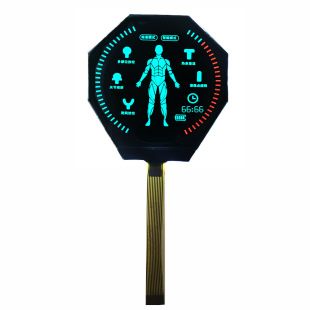
In industrial settings, this technology plays a pivotal role by enhancing automation and precision in machinery such as robotic arms, assembly lines, and quality control systems. It enables real-time monitoring and adaptive adjustments, reducing downtime and improving productivity across sectors like automotive, electronics, and manufacturing. By integrating advanced sensors and controls, industrial equipment can achieve higher reliability and energy efficiency, meeting the demands of modern smart factories.
In the medical field, the same principles are applied to develop innovative devices like diagnostic tools, surgical instruments, and patient monitoring systems, contributing to more accurate diagnostics and personalized treatments while adhering to stringent safety standards. This synergy between industrial and medical applications underscores a cross-disciplinary approach, where robust engineering meets critical healthcare needs to drive advancements in both domains.
Cost-Effective Manufacturing Solutions with Monochrome Screens
Cutting costs without compromising quality is a top priority in today's competitive manufacturing landscape. Monochrome screens offer a practical solution by simplifying design and reducing production expenses. Unlike color displays, they rely on a single color—typically black, white, or amber—which streamlines the supply chain and lowers component costs. This makes them ideal for industrial applications where clarity and durability matter more than flashy visuals.
In addition to affordability, these screens enhance reliability in harsh environments. With fewer components, they're less prone to failure from dust, moisture, or temperature extremes. This reliability translates to lower maintenance and fewer replacements over time, boosting long-term savings. Industries like automotive diagnostics, medical devices, and warehouse management often leverage monochrome screens for their straightforward functionality and resilience.
Beyond cost savings, monochrome screens can improve user experience in specialized settings. Their high contrast and simple design reduce eye strain during prolonged use, which is crucial in control panels or monitoring systems. By focusing on essential information without distractions, manufacturers can create efficient, no-frills interfaces that keep operations smooth and reduce training time for operators.
Integration with Embedded Systems for Seamless Control
Integrating embedded systems with control mechanisms creates a seamless interaction that bridges the gap between hardware constraints and real-time operational demands. By embedding these systems, we enable direct communication between sensors, actuators, and processors, allowing for faster decision-making without extensive manual intervention. This approach not only enhances reliability but also supports adaptive responses in dynamic environments.
One key advantage lies in the ability to customize these integrations to specific applications, such as in industrial automation or smart home setups. This customization fosters a cohesive workflow where embedded systems manage localized tasks while interfacing smoothly with broader control networks. It's this synergy that minimizes latency and optimizes resource usage, making operations more efficient and user-friendly.
Moreover, seamless control through embedded integration supports scalability and future-proofing, as systems can be updated or expanded without disrupting core functionalities. This resilience is crucial in sectors like healthcare or transportation, where continuous operation is essential. Ultimately, it empowers end-users with intuitive interfaces and automated processes, transforming complex technical landscapes into manageable, responsive environments.
Durability and Long-Term Performance in Harsh Environments
When you're deploying equipment in extreme conditions—from polar frosts to scorching deserts—every component must withstand relentless stress without faltering. This isn't just about survival; it's about maintaining peak efficiency over years of exposure to salt spray, abrasive dust, or heavy vibration. By integrating robust materials like corrosion-resistant alloys and reinforced composites, we ensure that systems don't just endure but thrive, minimizing downtime and costly repairs in remote or hazardous settings.
Long-term reliability hinges on more than sturdy construction—it's about smart design that anticipates environmental challenges. For instance, sealed enclosures with advanced thermal management prevent overheating in confined spaces, while UV-stabilized polymers resist degradation under constant sunlight. These features work in tandem to preserve functionality, whether in offshore drilling platforms facing salty gales or industrial plants with high humidity, ensuring consistent performance without frequent interventions.
What truly sets our approach apart is the rigorous real-world testing that goes beyond standard benchmarks. We subject prototypes to accelerated aging cycles, simulating decades of wear in months, to uncover hidden weaknesses before deployment. This proactive stance, combined with feedback from field applications in mining or maritime sectors, allows us to refine designs iteratively, delivering products that not only meet but exceed expectations for durability in the toughest environments.
Tailored Design Options for Brand Differentiation in Products
In today's crowded marketplace, standing out isn't just a bonus—it's essential for survival. That's where tailored design options come into play, offering brands a powerful tool to carve out a unique identity that resonates deeply with their target audience. By moving beyond generic templates and incorporating custom elements—such as bespoke color schemes, unique textures, or innovative materials—companies can create products that not only look distinct but also tell a compelling story. This approach turns everyday items into memorable experiences, fostering stronger emotional connections that competitors can't easily replicate.
What makes tailored design truly effective is its ability to align directly with a brand's core values and customer insights. Imagine a tech company using recyclable materials and minimalist aesthetics to appeal to eco-conscious consumers, or a luxury fashion house integrating handcrafted details that highlight artisanal heritage. These aren't just aesthetic choices; they're strategic decisions that communicate authenticity and purpose. When customers see these unique touches, they're more likely to perceive the brand as thoughtful and innovative, leading to increased loyalty and word-of-mouth referrals that go beyond simple transactions.
Moreover, tailored design options enable brands to adapt quickly to changing trends without losing their signature style. They can experiment with limited-edition releases or collaborative projects that showcase flexibility, all while maintaining a cohesive brand image. This dynamic approach helps capture new market segments and keeps offerings fresh, ensuring that differentiation isn't a one-time effort but an ongoing journey. Ultimately, by investing in custom design, businesses don't just sell products—they craft legacies that stand the test of time in a fast-paced world.
FAQ
Monochrome LCDs offer exceptional reliability in harsh environments, with low power consumption and high visibility under direct sunlight, making them ideal for factory floors and outdoor equipment.
They are generally more affordable and robust, with simpler construction reducing failure points, which can lower long-term maintenance costs for manufacturers.
These displays are prevalent in medical devices, automotive dashboards, industrial control panels, and point-of-sale terminals where clarity and longevity are critical.
Their minimal power draw extends battery life significantly, and they often include low-power modes, which is crucial for portable instruments and remote sensors.
Yes, many models are designed to operate reliably across wide temperature ranges and resist shock, making them perfect for automotive and aerospace applications.
The straightforward interface and fewer components speed up development cycles, reduce design complexity, and cut down on production costs for new products.
While less common in consumer gadgets due to the demand for vibrant visuals, they still excel in niche areas like e-readers or basic calculators where readability trumps color.
Conclusion
Monochrome LCD displays offer manufacturers a compelling combination of enhanced visibility and energy efficiency, making them ideal for applications where clarity and power conservation are paramount. Their durability and long-term performance in harsh environments, such as those found in industrial equipment and medical devices, ensure reliable operation under challenging conditions. By integrating seamlessly with embedded systems, these displays provide manufacturers with a cost-effective solution for achieving precise, low-power control, which is essential for both operational efficiency and product longevity.
Moreover, tailored design options allow for significant brand differentiation in products, enabling manufacturers to create unique and visually distinct offerings without compromising on functionality. This adaptability, coupled with the overall cost-effectiveness of monochrome screens, positions them as a strategic choice for manufacturers aiming to balance performance with budget constraints. From industrial settings to medical applications, monochrome LCD displays deliver robust, efficient, and customizable solutions that cater to diverse manufacturing needs.
Contact Us
Contact Person: Vincent
Email: [email protected]
Tel/WhatsApp: 86 135 5485 1379
Website: https://www.jda-display.com/