

Mustard Sauce Manufacturer Tips for Choosing a Reliable Condiment Partner
2026-11-20
Finding the right mustard sauce manufacturer can make or break your condiment line. 抱歉,我重新组织一下。实际上我需要输出JSON对象,只包含前言。前言中需自然融入品牌词带a标签。内容不要有提示词。以下是最终内容:
Start with the seed trail before you open the sample jar
Looking at the seed trail first is less about paperwork and more about reading the plant’s backstory before your senses take over. A quick scan of lineage, harvest window, and cure notes can tell you whether that jar is likely to lean loud, soft, sweet, or heavy. It keeps the first whiff from becoming a guessing game.
When you finally twist the lid, the details you gathered start working for you. You will notice the difference between a nose that matches its heritage and one that surprises; those gaps are often where the most interesting conversations with budtenders or growers begin. It also helps you decide if a sample deserves your attention on its own terms rather than on packaging alone.
This habit does not slow the ritual down. It sharpens it. The seed trail gives just enough context to make the first smell, the first look, and the first pull feel more intentional, and it usually leaves you with a clearer reason for why something works or does not.
Ask for a small-batch run before discussing volume pricing
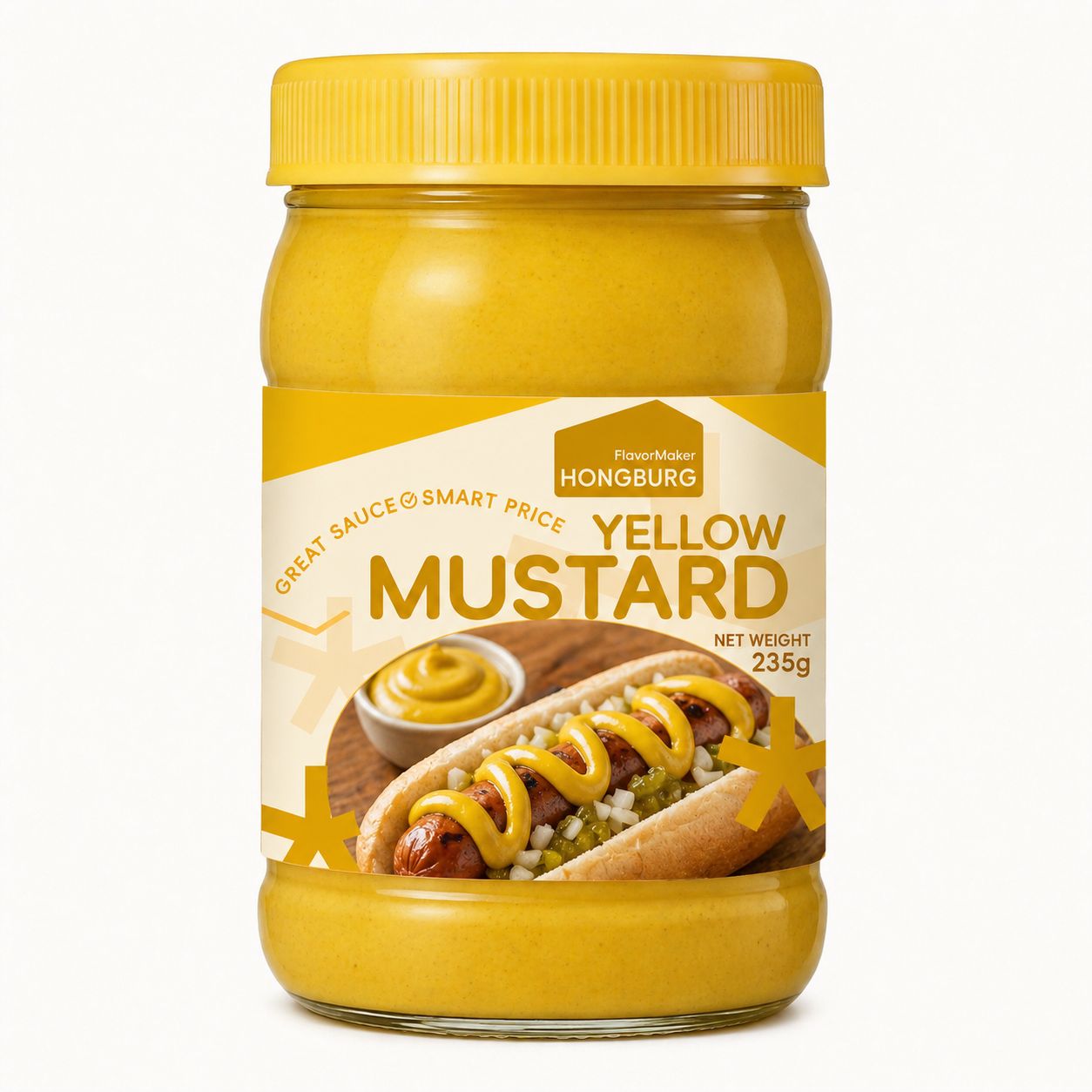
Before you lock yourself into a per-unit price, ask for a trial run. A short production batch lets you see how the material handles, how consistent the finishing is, and whether the supplier can actually hit the tolerances they promised. Most manufacturers will agree to a smaller order if they believe a bigger one is on the table.
Use that first run to uncover the real story: Are there delays, communication gaps, or quality issues that only show up under pressure? Once you have concrete data from a hands-on sample, volume pricing becomes a negotiation based on evidence rather than a leap of faith.
This approach also shifts the power balance. You are no longer asking for a discount on an unknown, but discussing what a larger commitment is worth now that you have proof the supplier can deliver.
Read their quality control notes, not just the sell sheet
A sell sheet tells you what a supplier wants to be true. Their QC notes tell you what actually happened when nobody was polishing the story. Look for patterns that don't make it into the brochure: repeated dimensional drift, parts held together with concessions, rework percentages that never quite hit zero, or inspection reports signed off with vague phrases like "acceptable for this batch." Those details are rarely dramatic, but they show you where the process tends to bend under pressure.
Also pay attention to what gets written down and what gets skipped. Strong notes include actual measured values, temperature or humidity conditions, tool numbers, and the inspector's name, not just a checkbox. If the record is full of "OK" entries but never mentions a single borderline reading, that itself is a clue. A clean sell sheet usually hides a messy but honest notebook. Read the notebook first.
Test how they handle a sudden recipe adjustment
A last-minute tweak to a recipe can throw even a confident cook off balance. The real test isn't whether the original plan survives, but how calmly the adjustment gets absorbed into the flow. Does the person pause, reassess, and move forward without drama? Or does the sudden change trigger visible frustration and a rush to blame the instructions? Watching someone swap an ingredient, alter a cooking time, or shift the method reveals how flexible their thinking really is under pressure.
The best responses tend to share a quiet rhythm: a quick scan of what's already been done, a small mental recalibration, and then a decisive next step. There's no need to announce the problem to the room or seek reassurance for every detail. A cook who handles a sudden recipe adjustment well treats the detour as part of the meal, not a failure of the plan. They might taste more often, adjust heat instinctively, or repurpose a step that no longer fits, all while keeping the overall dish moving toward something coherent.
What stands out most is the absence of panic or overcorrection. A minor change doesn't spiral into a full rewrite of the process. Instead, the person makes a targeted fix and keeps an eye on the result. That kind of measured response comes less from memorized techniques and more from a habit of reading the food as it develops. In the end, the dish may differ slightly from the original vision, but the composure behind it says more than the recipe ever could.
Get their real minimums before you plan your shelf space
Suppliers love to publish one number and quietly honor another. A catalog might say the minimum order is 500 units, but a quick phone call often reveals they'll ship 200 if you cover a small handling fee, or that the "minimum" only applies to first-time buyers. If you plan shelf space around printed specs, you'll either overbuy and choke your storage or underbuy and miss a restock window. Ask about tiered minimums, mixed-case options, and seasonal flexibility before you commit to a layout.
The real minimum isn't just a quantity; it's the threshold where shipping, packaging, and margin start to make sense together. One brand's 300-unit minimum might be unworkable because those 300 arrive in three pallets with a forty-day lead time. Another's 600-unit minimum could be a bargain if it includes split shipments and free freight. Nail down the operational details behind the number, then design your shelf set so the first order actually fits both your floor and your cash flow.
Find out whose equipment actually makes your mustard
Mustard labels love to shout about family recipes, stone-ground tradition, and heirloom seeds, but rarely do they mention the stainless steel behind the jar. A single mustard brand can run its entire production line on equipment owned by a contract packer that also bottles ketchup, hot sauce, and salad dressing for a dozen other companies. The recipe might be proprietary, yet the emulsifier, the filling nozzle, and the heat-seal tunnel often belong to someone else entirely. If the back label says “packed for” rather than “packed by,” that is your first clue that the equipment making your mustard is not owned by the name on the front.
Tracing the actual machinery usually means digging into third-party audit databases, FDA facility registrations, or the fine print on a distributor’s purchase order. Some smaller mustard makers share a co-packing facility where the same homogenizer whips organic Dijon at 8 a.m. and a budget yellow squeeze bottle at noon. This is not automatically a quality problem, but it does change the story behind the jar. A brand built on “small-batch craftsmanship” can still be produced on a thirty-thousand-liter tank that rarely gets a full wash between clients.
Next time you twist open a lid, look past the rustic label. Search the lot code, the canning line number, or the plant address, then compare it with other condiment brands sitting on the same shelf. You may find that your artisan mustard and a discount barbecue sauce share more than a zip code—they share a pump, a pasteurizer, and a packaging crew that does not care whose logo rolls by.
FAQ
Start with the flavor profile of their core yellow, Dijon, and whole grain recipes, then ask where the seeds come from. A dependable partner should be able to explain how crop changes affect heat and acidity, not just send a brochure.
Ask for batch retention samples and records from the past 12 months. The most transparent manufacturers will also walk you through how they handle an off-spec lot, because every production line has bad days.
It depends on the R&D setup. Some teams can adjust vinegar sharpness, texture, or heat and deliver a pilot batch within two to four weeks. Before signing, agree on who owns the final recipe and what happens if an ingredient becomes unavailable.
Squeeze bottles need cap torque testing, liners that stand up to vinegar, and labels that do not peel in cold storage. If the manufacturer cannot show packaging test data, you may end up with leaking cases or faded labels on the shelf.
Direct grower relationships often mean more stable pricing and a clearer story about flavor changes from season to season. Ask whether they have backup sourcing regions in place, especially if their primary supply is concentrated in one country.
Use a rolling forecast that is refreshed every month and request buffer stock for your top two SKUs. A dedicated account manager should flag production bottlenecks before they become your emergency.
Vague answers about preservatives or heat treatment, reluctance to share third-party audit results, and no separate cleaning protocol for allergens are all warning signs. If a factory is too busy to answer traceability questions during the sales process, it will be worse after you sign.
Often yes, but confirm the number of changeovers their line runs per day and whether they ship to regional distribution centers regularly. Capacity data for the past quarter will give you a more realistic picture than a sales estimate.
Conclusion
Choosing a mustard sauce manufacturer rarely comes down to the slickest brochure or the lowest quoted price. Before opening a sample jar, trace the seed trail. Ask where the mustard seed is grown, how it is cleaned, and whether the supplier holds lot-level records. A processor who can walk through that chain tends to be the one who understands consistency. Ask for a small-batch run before any volume pricing talk. That pilot batch shows how your formula behaves outside a test kitchen and gives you a baseline for future shipments. Just as telling are the quality control notes, not the sell sheet. Look for moisture readings, grind settings, viscosity checks, pH logs, and actual rejection rates. Those unpolished pages reveal more about daily discipline than any marketing summary.
Reliability also shows up when conditions change. Test how the manufacturer handles a sudden recipe adjustment, such as a shift in vinegar strength or a new seed varietal mid-season. A dependable partner will pause, document the change, run a control sample, and get approval before scaling up. If the response is 'close enough,' treat that as a red flag. Before you commit shelf space, get their real minimums, because volume commitments often shift after tooling, labeling, and freight are counted. One last check is whose equipment actually makes your mustard. Some brands learn too late that production is subcontracted, which can weaken traceability and slow down fixes. A manufacturer running the line with its own team is easier to hold accountable when something drifts.
Contact Us
Contact Person: Peter Song
Email: [email protected]
Tel/WhatsApp: +86 18920189778
Website: https://www.hongburg.com