

Plastic Profile Machine Solutions: Innovative Manufacturing for Enhanced Efficiency
2026-03-13
In the competitive world of plastic manufacturing, staying ahead requires more than just traditional methods.
At Yongte, we've pioneered a new approach with our Plastic Profile Machine Solutions, where innovation meets efficiency to transform production floors. This blog delves into how smart engineering and cutting-edge technology are not just boosting output but redefining what's possible in the industry.
Discover the strategies and insights that can help your operations thrive—get ready to explore a manufacturing revolution tailored for today's demands.
Revolutionary Extrusion Technology for Superior Plastic Profiles
In the world of plastic manufacturing, our revolutionary extrusion technology sets a new benchmark for producing superior plastic profiles. Leveraging advanced materials science and precision engineering, we've developed a process that not only enhances dimensional accuracy but also optimizes material flow to reduce waste and energy consumption. This innovation allows for the creation of complex shapes and custom designs with unparalleled consistency, making it ideal for applications ranging from construction to automotive industries where durability and performance are critical. By integrating real-time monitoring systems, we ensure each profile meets stringent quality standards, delivering products that excel in both aesthetics and functionality.
What truly distinguishes our approach is its adaptability to diverse polymer blends, enabling tailored solutions that address specific environmental and mechanical challenges. Through continuous research and development, we've fine-tuned the extrusion parameters to enhance properties such as UV resistance, thermal stability, and load-bearing capacity, resulting in profiles that outperform conventional alternatives. This technology empowers manufacturers to explore new possibilities in design and application, fostering innovation in sectors like renewable energy and medical devices where precision and reliability are non-negotiable.
Beyond technical specifications, our extrusion process prioritizes sustainability by incorporating eco-friendly materials and closed-loop systems that minimize the environmental footprint. By focusing on resource efficiency and lifecycle optimization, we not only produce superior plastic profiles but also contribute to a greener manufacturing ecosystem. This commitment to excellence and responsibility ensures our customers receive products that are not only high-performing but also aligned with modern sustainability goals, setting us apart in an increasingly competitive market.
Customizable Designs to Meet Diverse Industry Needs
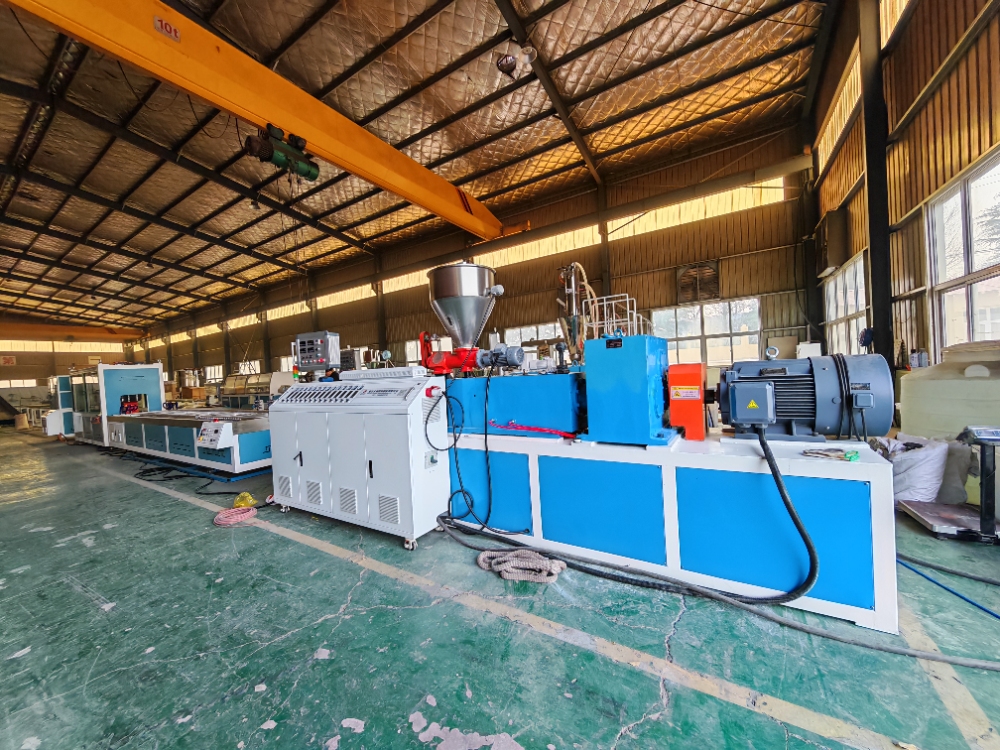
Every industry has its own unique challenges and requirements, which is why we approach customization not as a one-size-fits-all solution, but as a collaborative journey. Our design process begins with deep dives into client workflows, pain points, and aspirations, ensuring that every feature we develop aligns with real-world operational demands. Whether you're in pharmaceuticals, manufacturing, or finance, we tailor our tools to integrate seamlessly with your existing systems, enhancing efficiency without disrupting the daily grind.
Imagine having design elements that adapt intuitively to your company's branding, security protocols, and compliance standards. We offer flexible modules that allow for on-the-fly adjustments, empowering teams to tweak interfaces, data visualizations, and reporting functions as their needs evolve. This adaptability means you're not stuck with a rigid product; instead, you gain a dynamic asset that grows alongside your business, scaling effortlessly from startup phase to enterprise-level operations.
By focusing on personalization, we help bridge the gap between generic software and industry-specific excellence. Our clients often remark how our customized designs have led to faster project completions, reduced errors, and more engaged employees. Through continuous feedback loops and hands-on support, we ensure your solution remains not only functional but truly transformative, setting you apart in a crowded market.
Streamlined Production Processes for Maximum Output
In today's fast-paced business environment, achieving peak output isn't just about working harder; it's about working smarter. Streamlined production processes focus on eliminating bottlenecks and redundancies that often slow down manufacturing or service delivery. By analyzing workflows from start to finish, companies can identify areas where time and resources are wasted, implementing targeted improvements to enhance efficiency. This approach not only boosts productivity but also leads to cost savings and improved product quality, ensuring operations are lean and agile.
Key strategies for streamlining include adopting lean manufacturing principles, such as just-in-time inventory management and continuous improvement cycles like Kaizen. These methods emphasize minimizing waste—whether it's excess materials, unnecessary steps, or idle time—without compromising output levels. By fostering a culture that encourages employee feedback and collaboration, organizations can tap into frontline insights to refine processes further, making adaptations that respond dynamically to market demands and internal challenges.
Moreover, leveraging technology plays a crucial role in modernizing production lines. Automation tools and advanced software systems can handle repetitive tasks, allowing human workers to focus on more complex, value-added activities. This integration reduces errors and accelerates throughput, enabling businesses to scale operations effectively. Ultimately, streamlined processes are about creating a seamless flow that maximizes output while maintaining flexibility, positioning companies to thrive in competitive landscapes through innovation and sustained growth.
Energy-Efficient Systems Reducing Operational Costs
In today's competitive market, reducing operational costs isn't just a goal—it's a necessity for business sustainability. Energy-efficient systems offer a powerful solution by directly lowering electricity and utility bills, often providing a return on investment within a few years. These systems, from smart heating and cooling to LED lighting and automated power management, minimize waste and optimize resource use, leading to substantial financial savings over time.
Beyond the obvious savings on energy bills, these systems can enhance asset longevity and reduce maintenance expenses. For instance, efficient HVAC systems experience less wear and tear, cutting down on repair costs and downtime. In manufacturing or data centers, where energy demands are high, upgrading to more efficient equipment can slash operational expenses by double digits, freeing up capital for other strategic investments.
Adopting energy-efficient systems also aligns with growing environmental regulations and consumer expectations, reducing potential fines and boosting brand reputation. By integrating these technologies, businesses not only save money but also future-proof their operations against rising energy prices and stricter sustainability standards. This dual benefit makes energy efficiency a smart, forward-thinking move for any organization aiming to thrive in a cost-conscious era.
Advanced Automation for Consistent Quality Control
In today's fast-paced manufacturing environments, leveraging advanced automation for quality control transforms how organizations maintain precision and reliability. By integrating sophisticated systems like machine vision and AI-driven analytics, businesses can detect flaws in real-time, significantly reducing human error. This approach ensures a seamless production flow where every component undergoes meticulous scrutiny, fostering a culture of excellence that meets stringent industry standards efficiently.
Unlike traditional methods that rely on periodic manual checks, advanced automation provides continuous monitoring across all stages of production. It employs predictive algorithms to identify potential issues before they escalate, enabling proactive adjustments that preserve product integrity. This dynamic system adapts to varying materials and designs, ensuring consistency even in complex operations, which ultimately boosts customer trust and minimizes costly recalls.
By embracing these automated solutions, companies not only streamline their quality assurance processes but also unlock valuable data insights for ongoing improvement. This strategic investment supports innovation and long-term growth, positioning firms as leaders in quality excellence while enhancing efficiency and sustainability in competitive markets.
Future-Ready Solutions Adapting to Market Trends
In today's fast-paced business environment, staying ahead of market trends isn't just an advantage—it's essential for survival. Future-ready solutions are designed to pivot seamlessly as consumer demands shift and new technologies emerge, ensuring that organizations remain agile and responsive. By integrating real-time data analytics with adaptive strategies, companies can anticipate changes before they happen, turning potential disruptions into opportunities for growth and innovation.
What sets truly future-proof approaches apart is their focus on customization and scalability, rather than relying on one-size-fits-all models. Tailoring solutions to specific industry needs allows businesses to address unique challenges while maintaining flexibility for future adjustments. This proactive mindset encourages continuous learning and experimentation, fostering a culture where adaptation becomes a core competency rather than an occasional reaction.
Ultimately, future-ready solutions thrive on collaboration and forward-thinking partnerships, leveraging insights from diverse sectors to build resilient frameworks. By embedding adaptability into every aspect of operations, from supply chains to customer engagement, organizations can navigate uncertainties with confidence, ensuring long-term relevance and competitive edge in an ever-evolving marketplace.
FAQ
A plastic profile machine is specialized equipment designed to produce custom-shaped plastic extrusions, commonly used in construction, automotive, and packaging. It works by melting plastic resin, forcing it through a die to form a specific profile, and then cooling it to solidify the shape.
Innovations include advanced control systems for precise temperature and speed adjustments, automated cutting and handling to reduce labor, and energy-efficient designs that lower power consumption, all contributing to faster production with minimal waste.
Key industries include construction for window frames and pipes, automotive for seals and trim, packaging for custom containers, and electronics for cable management systems, where tailored plastic profiles enhance product durability and functionality.
Common challenges include die wear leading to defects, material inconsistency causing quality issues, and high energy use. Solutions involve implementing predictive maintenance with sensors, using high-quality raw materials, and optimizing cooling systems to reduce downtime and costs.
Customization allows manufacturers to quickly switch dies and adjust parameters, enabling production of diverse profiles from simple tubes to complex multi-chamber designs, meeting specific client needs without major retooling or delays.
Trends include the integration of IoT for real-time monitoring, AI-driven process optimization to predict failures, and a shift toward sustainable materials like bioplastics, aiming to make manufacturing smarter and more eco-friendly.
Conclusion
Plastic profile machine solutions are at the forefront of innovative manufacturing, driving enhanced efficiency through technological advancements. The integration of revolutionary extrusion technology ensures superior plastic profiles with consistent precision and durability, catering to high-demand applications. Simultaneously, customizable designs allow manufacturers to meet diverse industry needs, from construction to automotive sectors, offering tailored solutions that enhance product versatility. Streamlined production processes further maximize output by optimizing workflow and reducing bottlenecks, while energy-efficient systems significantly cut operational costs, promoting sustainability and economic benefits. Together, these elements create a robust framework for efficient manufacturing that adapts to evolving market demands.
Advanced automation plays a crucial role in maintaining consistent quality control, minimizing human error and ensuring reliable product standards across all stages of production. Future-ready solutions are designed to adapt seamlessly to market trends, incorporating smart technologies and data-driven insights to stay ahead in a competitive landscape. By combining these aspects, plastic profile machine solutions not only boost productivity and reduce expenses but also foster innovation and resilience. This holistic approach positions manufacturers to achieve long-term success through improved operational efficiency and enhanced product offerings, making them well-equipped for dynamic industry challenges.
Contact Us
Contact Person: Ms Qin
Email: [email protected]
Tel/WhatsApp: 8613583233866
Website: https://www.yongteplast.com