

Prefabricated Substation Factory: Complete Guide to Design, Manufacturing, and Installation
2026-01-12
Welcome to the ultimate guide on prefabricated substations, where we dive deep into the intricacies of design, manufacturing, and installation. As the demand for efficient and reliable power infrastructure grows, understanding these key aspects becomes crucial for industry professionals. We'll explore innovative approaches and best practices to help you navigate this complex field. At Lugao, we're dedicated to pioneering solutions that streamline processes and enhance performance, ensuring your projects are a success from start to finish. Discover how our expertise can transform your approach—read on to learn more and get inspired by cutting-edge insights in this essential guide.
Essential Design Principles for Prefabricated Substations
When designing a prefabricated substation, it's vital to blend functionality with cost-effectiveness. A key principle involves standardizing the design in a way that allows for easy customization—this isn't just about sticking to basic blueprints, but ensuring the structure can adapt to different environmental conditions and power loads without a complete overhaul. For example, in coastal areas, the materials and sealing techniques need to resist corrosion, while in urban settings, space-saving designs that minimize visual impact are more critical. By focusing on modular components, engineers can streamline production and cut down on installation time, making the substation both reliable and quick to deploy.
Safety and durability should never be an afterthought in these designs. This means integrating robust insulation systems and fail-safe mechanisms that handle overloads or faults smoothly, protecting both equipment and personnel. Think of it like building a fortress for electricity: every connection point and enclosure must withstand harsh weather, from heavy snow to intense heat, without compromising performance. Regular maintenance access points should be intelligently placed to allow for quick checks and repairs, reducing downtime and extending the substation's life. It's this attention to resilience that sets a well-designed prefabricated substation apart from makeshift solutions.
Lastly, efficiency in energy distribution and environmental integration plays a big role. Modern designs often incorporate smart monitoring systems that track power flow and detect issues in real-time, helping operators optimize performance and prevent disruptions. Plus, by using eco-friendly materials and noise-reduction features, these substations can blend into residential or sensitive landscapes more effectively. It's not just about meeting technical specs—it's about creating a solution that works harmoniously with its surroundings and supports long-term sustainability goals, making every kilowatt count without unnecessary waste.
Streamlining the Manufacturing Process for Substation Units
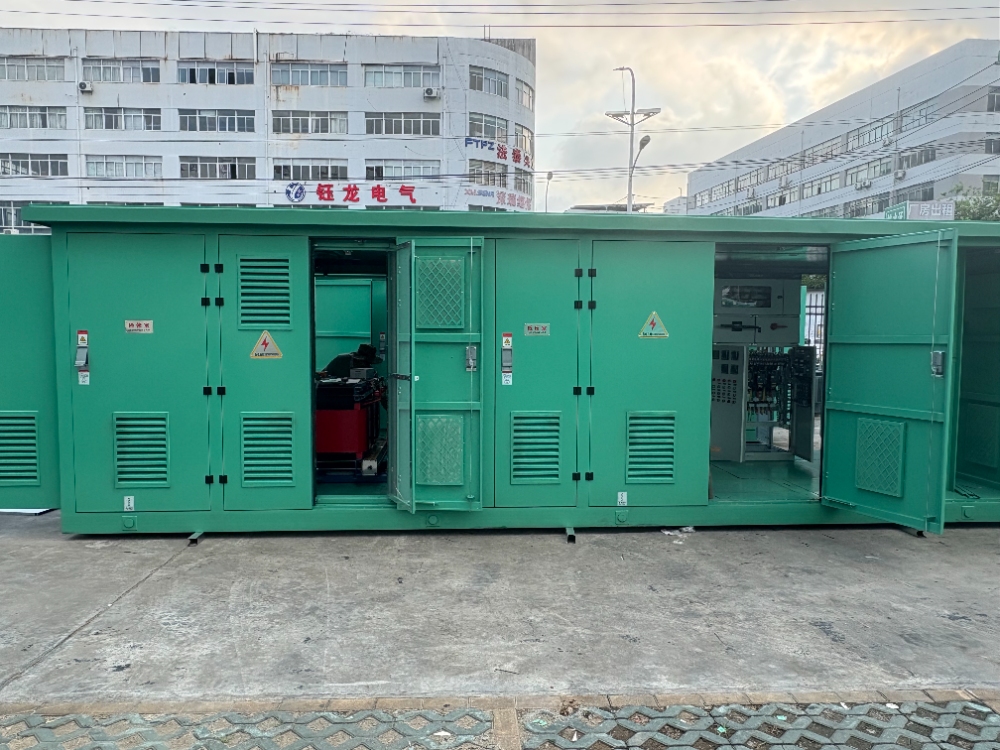
In the competitive landscape of power infrastructure, optimizing the assembly of substation units isn't just about cutting costs—it's about enhancing reliability and speeding up deployment. By integrating lean manufacturing principles, companies can eliminate bottlenecks and reduce waste, ensuring that each component, from transformers to switchgear, is produced with precision and efficiency. This approach not only shortens lead times but also minimizes errors, leading to substations that are more robust and easier to maintain in the field, ultimately supporting a more resilient electrical grid.
Advanced technologies like digital twins and IoT sensors are revolutionizing how substation units are built and tested. Rather than relying on outdated manual checks, these tools allow for real-time monitoring and simulation during the manufacturing phase, catching potential issues before they escalate. This proactive stance minimizes rework and downtime, fostering a smoother production flow that adapts quickly to custom orders or regulatory changes, without sacrificing quality or safety standards.
A streamlined process also hinges on collaboration across the supply chain, from raw material suppliers to on-site installation teams. By fostering open communication and shared data platforms, manufacturers can synchronize schedules and inventory, avoiding delays that often plague large-scale projects. This cohesive strategy ensures that substation units are delivered not just on time, but with a level of craftsmanship that sets them apart in an industry where reliability is paramount, driving long-term value for utilities and communities alike.
Key Considerations for On-Site Installation and Assembly
When tackling on-site installation and assembly, it's crucial to start with a thorough site assessment. This involves checking accessibility, verifying that the location can handle the equipment's weight and size, and ensuring that power, water, and other utilities are available and properly configured. Don't just rely on blueprints—walk the site yourself to spot potential obstacles like low ceilings or tight corners that could cause delays later. It's also a good idea to chat with local site managers; their insights into daily operations can reveal hidden challenges not obvious on paper.
Safety and compliance should never take a back seat during installation. Develop a detailed safety plan that includes proper training for the crew, use of personal protective equipment, and clear emergency procedures. Keep an eye on environmental factors too—things like weather conditions or dust levels can impact both safety and the quality of the assembly. Regular checks to make sure everything meets industry standards and local regulations will help avoid costly fines and keep the project running smoothly without unexpected hiccups.
Effective coordination and communication among the installation team, suppliers, and clients are key to a successful assembly. Set up regular update meetings and use simple tools like shared checklists to track progress and address issues as they pop up. Flexibility is important as well; be ready to adjust plans on the fly if materials arrive late or site conditions change. By keeping everyone in the loop and adapting when needed, you can minimize downtime and ensure the project wraps up efficiently and to everyone's satisfaction.
Ensuring Quality and Safety in Factory-Built Substations
When it comes to factory-built substations, quality and safety are not just buzzwords—they are the foundation of reliable power infrastructure. Unlike traditional field construction, where variables like weather and on-site coordination can introduce risks, prefabricated units are assembled in controlled environments using precision engineering. This approach minimizes human error and ensures that each component, from transformers to switchgear, meets rigorous standards before it ever reaches the installation site. The result? A substation that's not only faster to deploy but also inherently safer and more consistent.
But what makes these substations truly stand out is their integration of advanced safety features tailored for modern demands. For instance, many models incorporate smart monitoring systems that provide real-time data on performance and potential hazards, allowing for proactive maintenance rather than reactive fixes. Additionally, the use of non-flammable materials and enhanced insulation reduces fire risks, while modular designs enable easier upgrades to comply with evolving regulations. By prioritizing safety from the ground up, factory-built substations help utilities avoid costly downtime and protect both personnel and the community.
Beyond the technical aspects, ensuring quality involves a meticulous focus on testing and certification. Each unit undergoes stringent checks, including thermal imaging, load testing, and environmental simulations, to verify durability under extreme conditions. This level of scrutiny, coupled with third-party audits, builds trust among operators and stakeholders. Ultimately, by embracing such thorough processes, factory-built substations deliver a resilient and secure energy solution that adapts to today's dynamic grids while setting a new benchmark for operational excellence.
Customization Options to Meet Diverse Project Requirements
In today's fast-paced world, one-size-fits-all solutions often fall short. That's why our customization options are designed to adapt seamlessly to your specific project needs, offering flexibility that empowers teams to innovate and excel without constraints. Whether you're building a small app or launching a large-scale enterprise system, these tailored adjustments ensure that every detail aligns with your vision, fostering efficiency and creativity throughout the development process.
From modifying interface layouts to integrating advanced features, our tools allow for precise adjustments that cater to unique workflows and user preferences. This adaptability means you can tweak and refine aspects as your project evolves, avoiding rigid frameworks that might limit growth. By focusing on what truly matters to your goals, these customizable elements help drive better outcomes and a more personalized experience for all stakeholders involved.
Ultimately, embracing these options can transform how projects are executed, turning challenges into opportunities for differentiation in a crowded market. Explore the possibilities to see how a tailored approach can elevate your work and set new standards for success.
Maintenance and Long-Term Performance of Prefabricated Substations
Proper maintenance is crucial for ensuring the long-term performance and reliability of prefabricated substations. These units, designed for quick deployment and efficiency, benefit from regular inspections that focus on electrical components, enclosures, and cooling systems. For example, checking for loose connections or wear in circuit breakers can prevent unexpected downtime. By adhering to a scheduled maintenance plan, operators can extend the lifespan of the substation, reduce energy losses, and maintain compliance with safety standards, ultimately supporting uninterrupted power distribution in industrial and urban settings.
Over time, environmental factors like humidity, temperature fluctuations, and pollution can impact the durability of prefabricated substations. Implementing proactive measures, such as corrosion-resistant coatings and robust sealing, helps mitigate these effects. Additionally, monitoring performance metrics—like voltage stability and load capacity—enables timely adjustments. This approach not only enhances resilience against harsh conditions but also optimizes operational efficiency, ensuring the substation remains a dependable asset for decades without frequent overhauls.
Innovations in modular design and smart technology are transforming maintenance practices for these substations. Integrating sensors and IoT-based monitoring systems allows for real-time data collection on parameters like temperature and energy usage. This enables predictive maintenance, where potential issues are addressed before they escalate, reducing repair costs and minimizing service interruptions. Such advancements make prefabricated substations more adaptable and cost-effective in the long run, offering a competitive edge in modern electrical infrastructure projects.
FAQ
Key factors include site assessment for environmental conditions like seismic activity and temperature ranges, load requirements to determine capacity, spatial constraints for modular layout, and compliance with local electrical codes and safety standards, ensuring the design balances efficiency with durability.
Standard designs follow pre-engineered blueprints with mass-produced components, optimizing cost and lead time, while custom substations involve tailored solutions, such as specialized insulation for harsh climates or compact modules for urban spaces, requiring detailed client collaboration and flexible production lines.
Quality is maintained through rigorous testing at each stage, including material inspections, welding integrity checks, electrical component validation under simulated loads, and final assembly audits, alongside certifications from bodies like ISO to guarantee reliability and safety.
Common issues include site preparation delays due to unexpected ground conditions, alignment errors during crane lifting of modules, and integration problems with existing grid infrastructure, often mitigated by thorough pre-installation surveys and skilled technician teams.
For renewables, they might incorporate features like rapid voltage regulation for solar farms or robust enclosures for offshore wind sites, with designs focusing on scalability and grid stability to handle intermittent power sources effectively.
Routine maintenance involves periodic inspections of cooling systems, busbar connections, and protective relays, along with cleaning to prevent dust buildup, supported by remote monitoring tools for real-time diagnostics and preventive care to extend lifespan.
They reduce construction time by up to 50% through factory production parallel to site work, minimizing on-site labor and weather dependencies, which accelerates commissioning and lowers overall project risks and costs.
Emerging trends include the use of smart sensors for predictive maintenance, eco-friendly materials for reduced environmental impact, and modular designs that allow easier upgrades or expansions, driven by digital tools like BIM for precision.
Conclusion
The comprehensive guide "Prefabricated Substation Factory: Complete Guide to Design, Manufacturing, and Installation" offers an in-depth look at modern electrical infrastructure solutions. It begins by detailing essential design principles for prefabricated substations, emphasizing modularity, scalability, and integration with smart grid technologies to ensure efficient energy distribution. The guide seamlessly transitions into streamlining the manufacturing process, highlighting how factory-controlled environments enhance precision, reduce material waste, and accelerate production timelines through automated assembly lines. Key considerations for on-site installation and assembly are thoroughly explored, focusing on logistical planning, site preparation, and minimizing disruptions to existing operations. Quality and safety are paramount, with chapters dedicated to rigorous testing protocols, compliance with international standards, and robust safety features that protect both personnel and equipment. By integrating these aspects, the guide presents a holistic approach to building reliable, factory-constructed substations that meet contemporary urban and industrial demands.
Beyond core processes, the guide delves into customization options to address diverse project requirements, allowing for tailored solutions in varying climates, terrains, and power loads. It also underscores the long-term performance and maintenance of prefabricated substations, providing insights into predictive maintenance strategies, lifecycle cost analysis, and durability enhancements that extend operational lifespans. By covering the entire lifecycle from design through manufacturing, installation, and ongoing upkeep, this resource proves invaluable for engineers and project managers navigating complex energy projects. Through vivid examples and practical advice, it stands out by blending technical depth with accessible explanations, making it a go-to reference for advancing infrastructure development in a rapidly evolving electrical landscape.
Contact Us
Contact Person: Doreen
Email: [email protected]
Tel/WhatsApp: 8618057712366
Website: https://www.liugaopower.com/