

Professional Artificial Rice Processing Line: Revolutionizing Food Production
2026-05-27
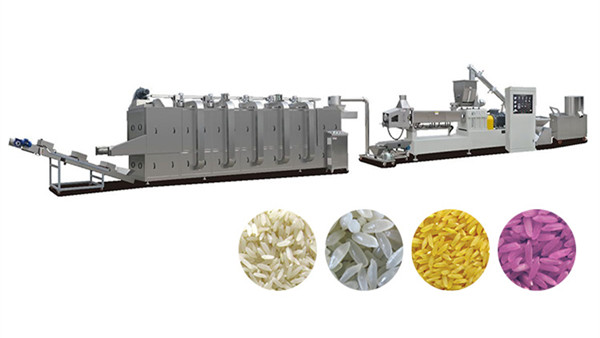
Imagine a world where rice can be crafted without a single grain of paddy—nutritionally fortified, consistently shaped, and produced at scale. That’s not a distant dream; it’s the reality of artificial rice, and MINGDE is at the heart of this transformation. As global food demands shift toward efficiency and customization, traditional rice farming faces limits. Enter the professional artificial rice processing line—a game-changer that merges advanced extrusion technology with food science. Whether you’re tackling malnutrition, diversifying product lines, or optimizing costs, this innovation opens doors once thought closed. But how exactly does a machine turn raw powders into perfectly cooked rice? And what makes MINGDE’s solution stand out in a crowded market? Let’s explore the engineering behind the revolution.
Advanced Machinery for Grain Transformation
Modern grain transformation relies on a quiet revolution of engineering precision. The machines that now handle everything from raw kernel to fine flour no longer just crush and grind—they read the grain. Sensors embedded along the processing line measure moisture, density, and even protein content in real time, adjusting roller gaps and sieving speeds without human intervention. This isn't automation for its own sake; it's a response to the wild variability of harvested crops. One field's wheat behaves nothing like another's, and only responsive machinery can tease out consistent quality without waste.
What sets contemporary systems apart is how they compartmentalize each transformation step yet allow them to converse. Dehulling, splitting, pearling, grinding—each stage used to be an island. Now, a central control loop takes feedback from the final product and nudges the upstream settings gently, almost imperceptibly. If the bran particles are slightly too large, the mill doesn't just scream for maintenance; it subtly reroutes the stream for a secondary pass, learning and adapting. The result is a dramatic drop in broken kernels and a rise in extraction rates that would have seemed unattainable a decade ago, all while using less energy per ton.
Behind the stainless steel panels and quiet conveyors, there's a deeper shift toward modularity. New layouts let processors swap out entire units—a stone grinder for an impact mill, a traditional sifter for an ultrasonic one—in a matter of hours. This flexibility means a single facility can pivot between producing coarse semolina for pasta and superfine flour for pastry, following demand rather than being chained to it. Combined with predictive maintenance driven by vibration analysis, the machinery doesn't just transform grain; it reshapes the entire economics of milling, turning what was once a heavy, dusty trade into a clean, data-rich craft.
Sustainable Production Meets Culinary Innovation
The kitchen has always been a place of transformation, but today it is becoming a laboratory for sustainability. Chefs and food producers are rethinking every step of the supply chain, from farm to fork, weaving ecological responsibility into the very fabric of their craft. This shift goes beyond swapping ingredients; it involves embracing regenerative agriculture, upcycling byproducts, and designing menus that honor seasonal rhythms. A tomato grown in living soil, a broth simmered from vegetable peels, or a dessert crafted from imperfect fruit—these are not just gestures but deliberate acts of culinary creativity.
Technology and tradition dance together in this new landscape. Fermentation, an age-old preservation technique, is being rediscovered to extend the life of fresh produce while unlocking complex flavors. Meanwhile, precision tools like induction cooking and smart ovens minimize energy waste, and data-driven inventory systems help kitchens cut down on surplus. Even packaging is getting a rethink, with edible films and compostable materials replacing single-use plastics. These innovations are not hidden behind the scenes; they are proudly presented as part of the dining narrative, inviting guests to taste the future.
The most exciting fusion happens when constraints breed ingenuity. A chef working with drought-resistant grains might invent a risotto that requires far less water, or a chocolatier might source cocoa from agroforestry projects that restore biodiversity. Sustainability is no longer a limitation but a springboard for originality, pushing the boundaries of what is possible on the plate. It is a conversation between the earth and the eater, where every bite tells a story of stewardship, and every meal becomes a small act of regeneration.
Engineering the Future of Staple Foods
For centuries, staple foods like rice, wheat, and maize have been shaped by selective breeding, but now we are moving from the field to the lab in ways that were unimaginable a generation ago. Advances in gene editing, particularly CRISPR, allow scientists to tweak the very DNA of crops to boost nutritional content, enhance resilience to drought and pests, and even alter cooking and sensory properties. This isn't about creating something unrecognizable—it's about fortifying the familiar foods that billions rely on every day, ensuring they can thrive in a changing climate while delivering more of what our bodies need.
Beyond genetics, the processing of staples is undergoing a quiet revolution. High-pressure processing, precision fermentation, and novel milling techniques are unlocking textures and nutrient profiles that bridge the gap between whole-grain health and the refined appeal of white flour or polished rice. Imagine bread with the mouthfeel of white but the fiber of whole wheat, or noodles that release energy more slowly, helping stabilize blood sugar without sacrificing taste. These innovations aren't just theoretical—pilot products are already appearing on supermarket shelves, hinting at a future where healthier choices become the effortless default.
The ultimate goal is a food system where staple crops aren't just a source of calories but a functional part of our health ecosystem. From rice enriched with beta-carotene to combat vitamin A deficiency to wheat engineered for better digestive tolerance, the line between food and preventive nutrition is blurring. As these technologies mature and scale, the challenge becomes one of acceptance and access—ensuring that the benefits reach the populations most in need, not just those who can afford premium labels. The future of staples isn't a distant dream; it's being engineered right now, one grain at a time.
Streamlined Processes for Consistent Quality
Achieving consistent quality starts with stripping away unnecessary complexity. Instead of rigid, multi-layered approval chains, we’ve adopted flexible workflows that adapt to each project’s rhythm. Teams are empowered to make on-the-spot decisions, trimming down back-and-forth delays. This lean approach means that from initial concept to final delivery, every step is purpose-driven—nothing is done just because “that’s how we’ve always done it.” The result is a process that feels natural, not bureaucratic, and keeps quality at the forefront without bogging down creativity.
Behind the scenes, we rely on smart, automated checkpoints rather than manual oversight. Repetitive tasks like file formatting, version control, and basic quality checks are handled seamlessly, freeing up our team to focus on the craft itself. This isn’t about replacing human judgment; it’s about ensuring that the small, critical details are never overlooked. By standardizing the mundane, we’ve created space for careful attention where it truly matters—like fine-tuning a design or refining a narrative. Consistency emerges not from rigid enforcement, but from a system that quietly supports excellence at every turn.
Perhaps most importantly, our processes are built to evolve. We regularly step back to ask: “Is this still the best way?” Feedback from both clients and team members fuels continuous refinement, so our methods stay sharp and relevant. What worked yesterday might be streamlined further tomorrow. This culture of honest evaluation keeps us from settling into comfortable routines that can gradually erode quality. The ultimate measure isn’t a checklist—it’s whether the finished work consistently feels right, no matter how many times we’ve delivered it.
Economic Efficiency in Modern Rice Manufacturing
Modern rice manufacturing thrives on a delicate balance between throughput and resource utilization. Advanced milling systems now integrate real-time sensors that monitor grain temperature, moisture, and breakage rates, automatically adjusting roller pressures and airflow to minimize waste. This dynamic optimization ensures that every kilowatt of energy and liter of water translates directly into higher yields of unbroken, premium-grade rice, slashing operational costs without compromising output volume.
Beyond machinery, the pursuit of economic efficiency extends into supply chain orchestration. By synchronizing paddy procurement with production schedules and using predictive analytics to anticipate market demand, mills reduce inventory holding costs and avoid costly downtime. Such lean practices turn raw material flow into a just-in-time rhythm, cutting storage losses from pests and spoilage while preserving capital that would otherwise sit idle in overstocked warehouses.
The final piece lies in byproduct valorization. Instead of treating husks, bran, and broken grains as disposal problems, efficient operations convert them into revenue streams—husks fuel biomass generators that power the plant, bran is sold for oil extraction, and brokens find markets in flour or snack production. This circular approach not only offsets processing expenses but also insulates the business from fluctuating rice prices, creating a resilient model where nothing is wasted and every fraction of the harvest contributes to the bottom line.
Global Food Security Through Smart Technology
Feeding a growing global population has never been more challenging. Climate volatility, soil degradation, and water scarcity are squeezing traditional farming like never before. But smart technology is stepping in to bridge the gap. Sensors in the soil now talk to satellites in the sky, giving farmers real-time data on moisture, nutrient levels, and even pest threats. This isn't about replacing the farmer—it's about giving them a sixth sense for what their fields need, exactly when they need it. The result? Less waste, higher yields, and food that makes it from farm to table more reliably.
Beyond the farm gate, intelligent logistics are reshaping how food moves around the world. Cold chain monitoring using IoT devices prevents spoilage of perishable goods during transit, while AI-driven demand forecasting reduces overstock and shortages in markets. In regions where infrastructure is weak, mobile platforms connect smallholder farmers directly to buyers, cutting out middlemen and improving income stability. These digital supply chains create resilience, ensuring that even when one link breaks—due to conflict, disaster, or pandemic—alternatives kick in to keep food flowing.
Perhaps the most transformative shift is happening at the intersection of data and decision-making. Governments and organizations can now use predictive models to spot food shortages before they become crises. Satellite imagery combined with machine learning can monitor crop health across entire regions, triggering early interventions. It's a move from reactive aid to proactive management. Smart technology won't solve hunger overnight, but it’s turning food systems from fragile webs into adaptive networks that can absorb shocks and still deliver.
FAQ
It's a fully integrated system that transforms raw ingredients like broken rice, corn, or legumes into uniformly shaped, nutritionally fortified rice grains, mimicking the appearance, texture, and cooking properties of natural rice.
By enabling local production of fortified rice using easily available ingredients, it reduces dependency on traditional rice farming, which can be affected by climate, land scarcity, and supply chain disruptions.
The extrusion technology allows precise addition of vitamins, minerals, and proteins, making it an effective tool for tackling malnutrition in regions where dietary deficiencies are common.
Absolutely. With interchangeable dies and adjustable parameters, the machine can create various shapes—round, slender, or even specialty grains—and can replicate the texture of popular varieties like jasmine or basmati.
It uses low-cost raw materials and operates with high automation, reducing labour and waste. The quick return on investment is appealing, especially in markets where staple food prices are volatile.
Yes, it often has a smaller water and carbon footprint compared to paddy rice cultivation. Plus, it valorises broken rice and by-products that would otherwise go to waste, promoting a circular economy approach.
Conclusion
The professional artificial rice processing line represents a leap forward in grain transformation, combining advanced machinery with precision engineering to reshape staple food production. These lines utilize automated extrusion and molding systems that convert raw materials like broken rice, starches, and fortificants into homogeneous grains with tailored nutritional profiles and cooking characteristics. By integrating real-time monitoring and feedback loops, they streamline processes to ensure consistent quality, eliminating batch variability common in traditional milling. This approach not only boosts output but also introduces a new level of control over texture, shape, and nutrient content, opening doors for culinary innovation that aligns with evolving consumer preferences.
Beyond production efficiency, this technology bridges sustainable practices with global food security. Energy-efficient designs and reduced water usage cut operational costs, making manufacturing economically viable even in resource-limited regions. By transforming by-products and locally sourced raw materials into affordable, fortified rice analogs, these lines address malnutrition and supply chain vulnerabilities without relying on conventional paddy cultivation. The fusion of smart technology with food engineering ensures that communities can produce staple foods consistently, regardless of climate or land constraints, reinforcing a resilient food system that adapts to future challenges.
Contact Us
Contact Person: LILY SUN
Email: [email protected]
Tel/WhatsApp: 0086-13969103791
Website: https://www.snackfoodmachinery.com/