
Single Shaft Shredder Guide - Top Manufacturers for Powerful Shredding Solutions
2026-04-13
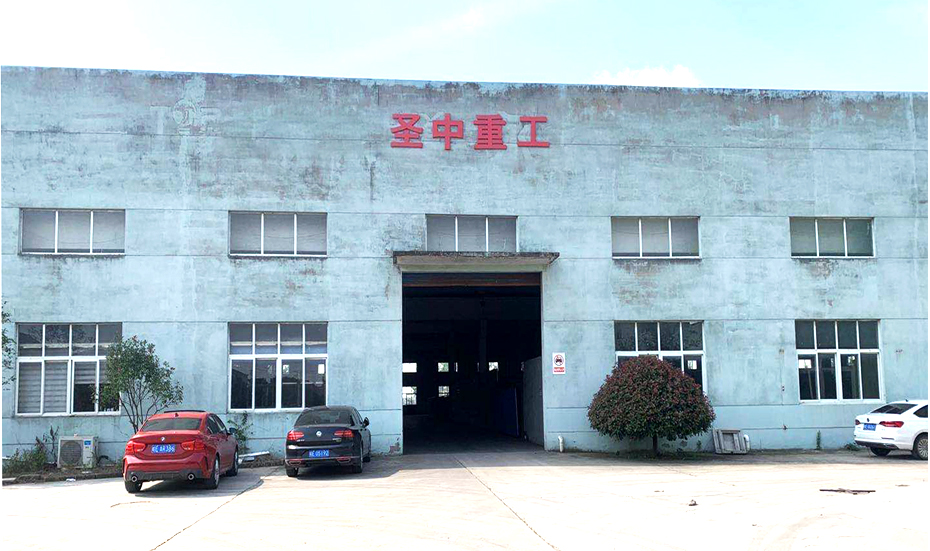
In today's demanding industrial landscape, finding the right single shaft shredder can be the difference between efficient waste management and costly downtime. As manufacturers worldwide vie for attention, discerning buyers seek powerful, reliable solutions that deliver consistent performance. This guide delves into the top players in the industry, highlighting what sets them apart and why their innovations matter for your operations. Among these standout names is Shengzhong Shredder, a brand that has carved a niche with its robust engineering and tailored shredding capabilities. Whether you're processing plastics, wood, or other challenging materials, understanding the nuances of these machines isn't just technical—it's strategic. Let's explore how the right choice can transform your workflow, sparking curiosity about the cutting-edge technologies driving this essential equipment forward.
Selecting the Right Single Shaft Shredder for Your Material Throughput
When picking a single shaft shredder to handle your material throughput, it's all about matching the machine's processing capabilities to the volume of waste you need to shred daily. Start by accurately estimating how much material you'll be feeding into the shredder each hour or day—this could include plastics, wood, or other industrial scrap. The throughput rating of the shredder should comfortably exceed your peak load to avoid bottlenecks and reduce wear and tear, ensuring smooth, uninterrupted operation without constant maintenance breaks.
Beyond just raw numbers, consider the nature of your material: dense, bulky items like metal parts or thick plastic sheets demand a shredder with a robust motor and durable cutting blades to maintain consistent throughput without jamming. Look for models that offer adjustable rotor speeds and cutting chamber designs optimized for your specific material type. This customization allows you to fine-tune the shredder's performance, balancing speed with shred quality to maximize efficiency and output, whether you're reducing large batches or handling mixed waste streams.
Finally, don't overlook the long-term aspects—investing in a shredder with scalable features can future-proof your setup as your throughput needs grow. Choose a unit that supports easy upgrades or modular components, so you can adapt without replacing the entire machine. By aligning these factors with your operational goals, you'll secure a shredder that not only meets current demands but also delivers reliable, high-volume processing over time, keeping your workflow efficient and cost-effective.
Key Features That Define High-Performance Single Shaft Units
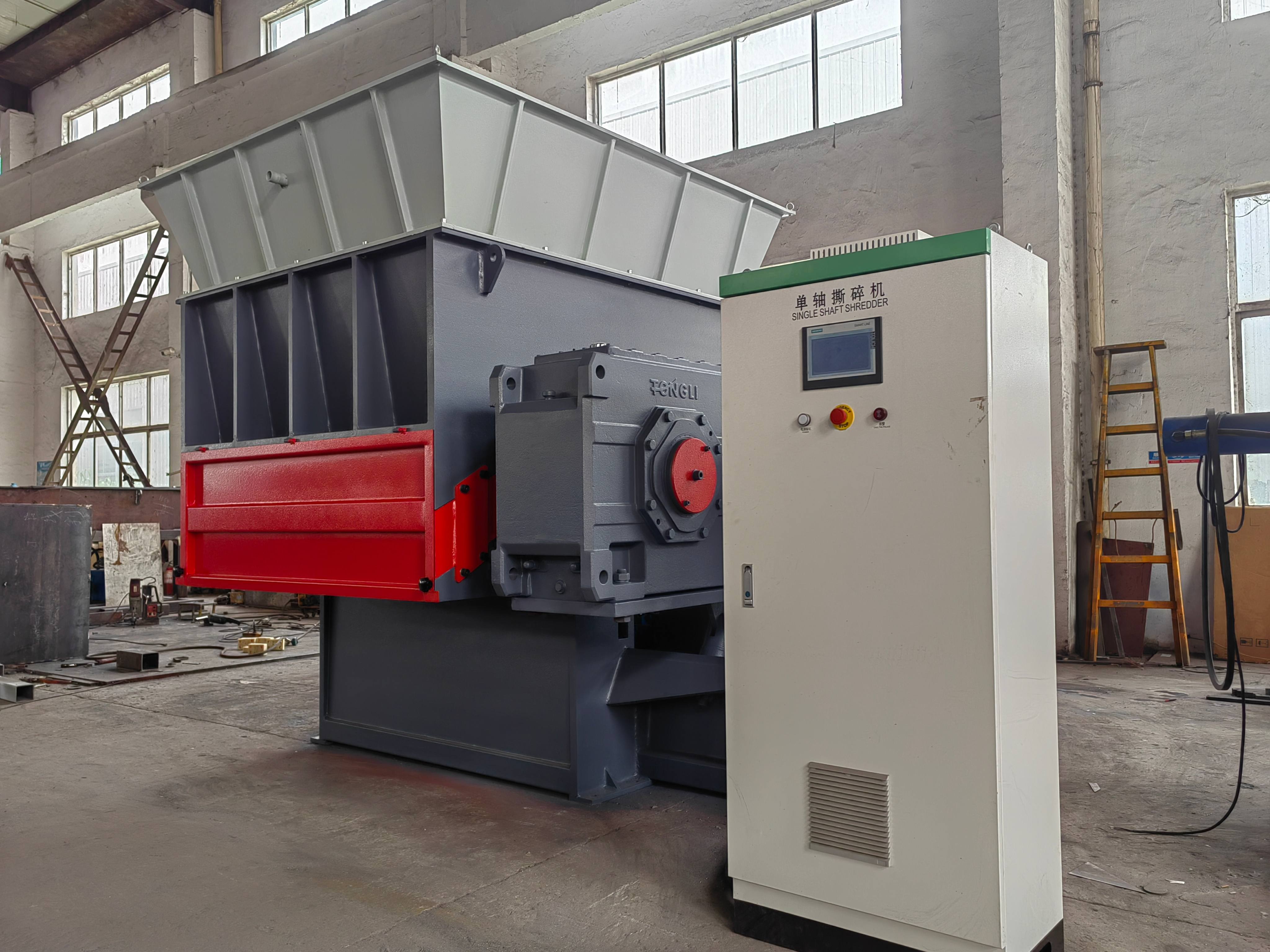
High-performance single shaft units are engineered to deliver exceptional precision and reliability in demanding applications, such as industrial shredding and recycling. Their defining features often include robust construction with heavy-duty components designed to withstand high torque and continuous operation. Many models incorporate advanced cooling systems to prevent overheating during intensive use, ensuring consistent performance over long periods without degradation. These units are typically tailored for specific material types, allowing for optimized processing efficiency and reduced wear on internal parts.
Another critical aspect is the integration of smart control technologies that enhance operational safety and versatility. Modern single shaft units may feature programmable logic controllers (PLCs) for automated adjustments based on material density or output requirements. This adaptability minimizes downtime and energy consumption, making them a cost-effective choice for facilities aiming to streamline workflows. Additionally, noise reduction mechanisms and vibration dampening systems are commonly included to improve workplace conditions and extend the equipment's lifespan by reducing mechanical stress.
Customization options further set high-performance units apart, allowing users to select blade configurations, drive systems, and feed mechanisms suited to their unique needs. Whether handling bulky plastics or fibrous waste, these units can be fine-tuned for maximum throughput and minimal maintenance. Their design often prioritizes easy access for cleaning and part replacement, supporting sustainable operations with less frequent servicing. By focusing on durability, efficiency, and user-friendly features, these units provide a competitive edge in industries where precision and productivity are paramount.
Leading Manufacturers Revolutionizing Industrial Shredding Technology
In today's fast-paced industrial landscape, a few key manufacturers are setting the pace for innovation in shredding technology. Companies like Vecoplan, SSI Shredding Systems, and Weima are not just producing machines; they're redefining how industries approach size reduction, waste management, and material recovery. With a focus on smart engineering and robust design, these leaders are tackling challenges from high-volume plastic recycling to confidential document destruction, offering solutions that blend efficiency with environmental responsibility.
What truly distinguishes these manufacturers is their commitment to customization and advanced features. Rather than offering one-size-fits-all shredders, they develop tailored systems that integrate seamlessly into existing production lines. Innovations such as AI-driven monitoring, energy-efficient motors, and noise-reduction technologies are becoming standard, allowing businesses to optimize throughput while minimizing operational costs. This shift towards intelligent shredding is helping sectors like manufacturing, healthcare, and e-commerce streamline processes and enhance safety standards.
Beyond the machinery itself, these pioneers are fostering a culture of continuous improvement and sustainability. By collaborating closely with clients and investing in R&D, they're introducing shredders capable of handling diverse materials—from metals to textiles—with unprecedented precision. As global demand for circular economy practices grows, these manufacturers are leading the charge, proving that industrial shredding isn't just about disposal but about creating value from waste and paving the way for a greener future.
Maintenance Tips to Extend Your Shredder's Operational Lifespan
To keep your shredder running smoothly for years, start by cleaning it regularly to prevent paper dust build-up, which can clog gears and reduce efficiency. Unplug the device first, then use a soft brush or compressed air to gently remove debris from the cutting blades and interior components. This simple habit not only enhances performance but also prevents overheating, making it a quick yet effective step in your routine.
Another key tip is to lubricate the shredder blades every few months or after shredding a large volume of paper, as this reduces friction and wear. Apply shredder-specific oil along the blades as per the manual’s instructions, avoiding over-lubrication that could attract more dirt. Pair this with using the shredder only within its recommended capacity to avoid jamming and motor strain, ensuring it doesn't burn out prematurely from overload.
Finally, consider the type of materials you shred: avoid feeding in staples, paper clips, or overly thick items that can damage the blades. Store the shredder in a cool, dry place away from direct sunlight to prevent plastic parts from degrading. By combining these practical steps with occasional checks for unusual noises or slowdowns, you’ll extend its life significantly while maintaining reliable, quiet operation.
Applications Across Industries: From Plastics to Wood Processing
Innovations in materials science aren't confined to high-tech labs; they're transforming everyday industrial workflows. For instance, in plastics manufacturing, cutting-edge polymer blends and additives now enable the creation of lighter, more durable packaging that reduces waste and shipping costs. These advancements aren't just about durability—they're reshaping supply chains by improving product longevity and recyclability, offering a practical balance between performance and environmental responsibility.
Turning to wood processing, modern techniques like cross-laminated timber and advanced drying systems have revitalized an age-old material. These methods allow for stronger, more stable wooden structures, opening up new possibilities in architectural design and construction. Beyond just structural integrity, they enhance energy efficiency in buildings and support sustainable forestry practices, making wood a competitive alternative to traditional materials like steel and concrete.
The synergy between plastics and wood processing highlights a broader industrial trend: integrating materials to solve complex challenges. For example, composite materials that combine wood fibers with plastic polymers are gaining traction in automotive and furniture sectors, offering unique benefits like improved mold resistance and customizable textures. This cross-pollination not only boosts innovation but also drives economic growth by creating versatile, market-ready solutions that cater to diverse consumer needs.
Safety Protocols and Operational Best Practices for Shredder Use
Operating a shredder might seem straightforward, but overlooking basic safety steps can lead to unexpected injuries or equipment damage. Always begin by reading the manufacturer's manual thoroughly; it often includes specific warnings tailored to your model that generic advice might miss. Before plugging in the machine, check for any loose parts, ensure the power cord is intact, and clear the surrounding area of clutter, especially items that could easily get tangled, like long cords or loose clothing. Never attempt to shred materials beyond the machine's stated capacity—overloading not only jams the mechanism but also risks motor burnout or electrical issues. If a jam occurs, immediately turn off and unplug the shredder before carefully removing the obstruction, using tools like tweezers only if recommended, to avoid contact with sharp blades. Remember, keeping hands and fingers away from the feed opening is non-negotiable, even when the shredder is off, as residual energy or accidental activation can cause serious harm.
Beyond basic safety, adopting smart operational habits can significantly extend your shredder's lifespan and improve efficiency. For instance, regularly oiling the blades, as per the manual's instructions, reduces friction and prevents premature wear, especially if you frequently shred heavy-duty materials like credit cards or staples. Consider alternating between light and heavy shredding sessions to give the motor brief rests, which helps avoid overheating—a common culprit behind breakdowns. When feeding documents, avoid crumpled paper or large stacks; instead, smooth them out and insert a few sheets at a time to maintain a steady flow and minimize strain. It's also wise to schedule periodic clean-outs of the shred bin to prevent overflow, which can block sensors or cause malfunctions. By integrating these practices into your routine, you'll not only safeguard the equipment but also ensure consistent, reliable performance for confidential document disposal.
To truly stand out in shredder usage, think proactively about customization and environmental factors. If your shredder offers adjustable settings, take time to test them with different paper types to find the optimal balance between security and speed, rather than defaulting to the highest setting unnecessarily. Be mindful of the shredder's placement: keep it in a well-ventilated area away from direct sunlight or moisture, as extreme temperatures can degrade internal components over time. For businesses handling sensitive data, supplement shredding with a clear policy on what to shred and when, training staff to recognize materials that require destruction, such as old client records or obsolete financial statements. This holistic approach not only enhances safety but also boosts overall security, making shredding a seamless part of your operational workflow rather than an afterthought. In short, a little foresight goes a long way in maximizing both safety and utility.
FAQ
When choosing a single shaft shredder, prioritize features like heavy-duty rotor construction, high torque for tough materials, low-speed operation to reduce noise and wear, and easy maintenance capabilities. These elements ensure efficient shredding of plastics, wood, and other industrial waste.
Top manufacturers include Vecoplan, SSI Shredding Systems, and Untha. They are known for innovative designs, robust build quality, and reliable performance across various industries, making them go-to choices for powerful shredding solutions.
A single shaft shredder uses a rotating shaft with blades to tear and shred materials like plastics, rubber, and electronic waste. Its design allows for customizable setups, with screen sizes and blade configurations adjusted to process specific materials efficiently and consistently.
Regular maintenance includes checking and sharpening blades, lubricating bearings, inspecting hydraulic systems, and cleaning debris. Following the manufacturer’s guidelines helps prevent breakdowns and ensures long-term operational efficiency.
Yes, these shredders are often integrated with conveyors, separators, and control systems for full automation. This setup enhances throughput, reduces manual handling, and streamlines waste processing in facilities like recycling plants or manufacturing lines.
Modern models typically include safety interlocks, emergency stop buttons, overload protection, and enclosed designs with access doors. These features help prevent accidents and protect operators during high-power shredding operations.
Energy consumption varies based on motor size and material hardness. Models with energy-efficient motors and optimized designs tend to have lower operational costs, making them cost-effective for long-term use in heavy-duty applications.
They are widely used in recycling facilities for plastic and metal waste, in woodworking for pallet shredding, and in manufacturing to reduce oversized components. Their versatility supports waste reduction and material recovery across diverse sectors.
Conclusion
This guide delves into the critical aspects of single shaft shredders, offering a comprehensive overview for selecting and optimizing these powerful industrial tools. When choosing a shredder, material throughput is paramount; understanding your specific volume and type of waste—from plastics to wood—ensures you match the machine's capacity to your operational needs. High-performance units are distinguished by features like robust cutting systems, energy-efficient motors, and advanced control panels, which enhance shredding efficiency and reliability. Industry-leading manufacturers continuously innovate, integrating cutting-edge technology to deliver durable, high-capacity solutions that revolutionize processing across diverse sectors.
To maximize your shredder's lifespan and safety, regular maintenance is essential; this includes routine blade inspections, proper lubrication, and adherence to manufacturer guidelines. Implementing strict safety protocols and best practices, such as operator training and emergency stop mechanisms, prevents accidents and ensures smooth, continuous operation. By combining these elements—thoughtful selection based on material throughput, leveraging key features from top manufacturers, and diligent upkeep—businesses can achieve powerful, cost-effective shredding solutions that excel in various industrial applications, from recycling to manufacturing.
Contact Us
Contact Person: Leon
Email: [email protected]
Tel/WhatsApp: 8615385558866
Website: https://www.shred-waste.com