

Top 10 Liquid Packaging Bags for Safe and Efficient Storage
2026-07-18
Looking for the best ways to store liquids without leaks, mess, or wasted space? Whether you're packaging beverages, sauces, or industrial fluids, the right bag makes all the difference. In this roundup of the top 10 liquid packaging bags for safe and efficient storage, we’re highlighting options that combine durability, smart design, and easy handling. From eco-friendly pouches to heavy-duty spouted bags, each pick is chosen for real-world reliability. And when it comes to trusted liquid storage solutions, Kody is a name worth knowing—their innovative designs set the bar for safety and efficiency. Ready to find your perfect match? Let’s dive in.
Why Modern Liquid Packaging Beats Traditional Containers
Modern liquid packaging has reshaped how we store, transport, and use everyday products. Unlike rigid glass bottles or heavy metal cans, flexible pouches and lightweight cartons adapt to the contents, reducing wasted space and weight. This isn't just about convenience—it's a fundamental shift in material efficiency. A thin, multi-layer film can provide the same barrier protection as a thick glass jar while using a fraction of the resources. The result is less energy consumed in production and shipping, and fewer emissions along the way.
Beyond the supply chain, the user experience has quietly improved. Spouts with resealable caps, tear notches, and precision pour openings make handling easier and less messy. There’s no need for separate funnels or scissors; the packaging itself becomes the dispensing tool. Manufacturers can also tailor the shape and size to fit pantry shelves, lunch bags, or gym bottles in ways that rigid containers never could. This flexibility extends to branding, where high-quality graphics on the entire surface create a more engaging look compared to a standard label on a bottle.
The shift away from traditional containers also addresses growing concerns about product freshness and safety. Modern liquid packages often collapse as the contents are used, limiting air exposure and keeping the product stable for longer. This means fewer preservatives are necessary, and the consumer gets a cleaner label. Innovations in barrier technology allow these packages to block oxygen and light more effectively than some older formats, all while being easier to recycle in many cases. It’s a quiet evolution that makes everyday purchases feel smarter and more attuned to how we actually live.
Key Materials That Keep Your Liquids Secure
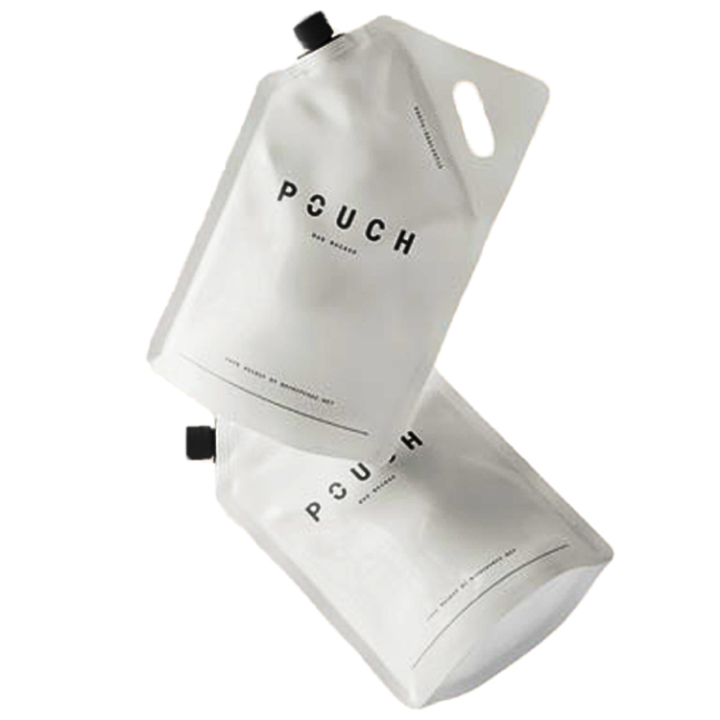
The effectiveness of any liquid container starts with its construction material. Plastics like high-density polyethylene and polypropylene dominate the market because they combine lightweight durability with excellent chemical resistance. These polymers don't react with most household cleaners, beverages, or personal care products, so the liquid inside stays pure and the container stays intact. Their molecular structure creates a natural barrier against moisture and oxygen, which is why everything from shampoo bottles to industrial drums relies on them.
Glass remains a timeless choice when absolute purity matters. Unlike some plastics, it's completely impermeable and won't leach any substances into its contents, making it ideal for sensitive liquids like essential oils, certain pharmaceuticals, or long-term food storage. The material's weight and fragility can be drawbacks, but manufacturers often treat the surface or use dark tints to block UV light, preventing degradation of light-sensitive liquids. Borosilicate glass, with its exceptional thermal shock resistance, takes this a step further, handling extreme temperature changes without cracking.
For heavy-duty applications, metals like aluminum and stainless steel provide unmatched strength and barrier properties. Aluminum's natural oxide layer resists corrosion, and when paired with internal linings, it safely holds everything from carbonated drinks to aggressive solvents. Stainless steel, particularly the food-grade 304 and 316 variants, excels in reusable bottles and industrial tanks because it's virtually rust-proof, easy to clean, and won't alter the taste or composition of the liquid. These materials ensure that even under pressure, vibration, or rough handling, your liquids stay exactly where they belong.
Smart Design Features You Didn’t Know Existed
A hidden hinge on a cabinet door might sound insignificant, but it completely changes the visual rhythm of a kitchen. Without bulky metal hardware breaking the sightlines, the whole setup feels cleaner and more intentional. Pair that with a magnetic push-latch, and you get a flush surface that opens with just a tap—no handles, no visual noise. It’s the kind of detail you never think about until you live with it, then suddenly every handle feels like a relic.
Have you ever struggled to plug something in behind a sofa? Recessed outlets solve that neatly. Instead of jutting out, the socket sits flush inside the wall so furniture can sit tight against it. Add a built-in USB port and suddenly the spot behind the nightstand becomes the most practical charging station in the house. These details fade into the background when not in use, but they quietly fix those minor everyday frustrations that otherwise grate on you over time.
Thermochromic surfaces are another quiet wonder. A shower tile that changes color with heat is not just a gimmick—it’s a gentle way to clue you in on water temperature before you step under the spray. In the kitchen, a countertop section that stays slightly warm can help dough rise at the perfect pace without hovering. None of these features scream for attention; they just make routines feel a little more thoughtful, as if the room actually understands what you’re trying to do.
Eco-Friendly Options Without Compromising Safety
Many parents assume that choosing planet-friendly baby products means giving up the rigorous safety standards they rely on. That's simply not true. Today's green manufacturers are proving that natural materials and non-toxic manufacturing can go hand-in-hand with uncompromising durability and protection. From organic cotton bedding that's been tested for flammability without chemical retardants to sustainably harvested wooden toys coated in food-grade, water-based finishes, the market is full of options that prioritize both your baby's health and the planet's future.
Take car seats, for instance. Several brands now offer models made from recycled ocean plastics, yet they exceed federal crash test requirements. The fabrics are often naturally flame-resistant thanks to merino wool, eliminating the need for harsh chemical sprays. Similarly, baby bottles crafted from medical-grade silicone or responsibly sourced bamboo composites are shattering the myth that glass is the only safe alternative to traditional plastics. They're lightweight, shatterproof, and completely free of BPA, phthalates, and PVC.
Even in the realm of cleaning products, eco-friendly doesn't mean ineffective. Plant-based, hypoallergenic formulas sanitize surfaces just as thoroughly as their conventional counterparts, minus the volatile organic compounds that can trigger asthma or skin irritation. By choosing these products, you're not just safeguarding your little one from immediate harm; you're also helping to build a cleaner world for their future. Safety and sustainability are no longer a trade-off—they're the new standard.
How to Match the Right Bag to Your Storage Needs
Start by taking a quick inventory of what you actually carry daily. It’s easy to overestimate or underestimate the space you need. Empty your current bag and group items by type—tech gadgets, personal care, documents. Then think about the occasions you’ll use the bag for: work, gym, weekend outings, travel. A bag that fits your lifestyle should have dedicated spots for the things you reach for most often, so you’re not digging around blind.
Bag silhouettes matter more than most people realize. A structured tote might seem spacious, but if it lacks internal pockets, smaller items will vanish into the bottom. Backpacks offer even weight distribution and hands-free convenience, ideal for commuters or parents. Crossbody bags provide security and quick access in crowded places. Consider how the bag opens too—a wide-mouth design lets you see everything at a glance, while a top-zip with a narrow opening can hide corners.
Don’t ignore the material and hardware. Lightweight fabrics reduce strain when you’re carrying a lot, but they might not protect fragile electronics. Leather adds durability and a polished look but can be heavier. Look at the seams and zippers—these details predict how well the bag will hold up under your typical load. Finally, test the bag fully packed if you can. A bag that looks perfect empty might reveal awkward bulges or uncomfortable strap pressure when it’s full of your actual stuff.
Real-World Uses That Prove Their Reliability
Every day, hospitals trust these tools to sterilize surgical instruments without a second thought. When an autoclave runs through its cycle in a busy operating theater, it isn't just meeting a specification on paper—it's the last line of defense before a scalpel touches skin. The fact that infection rates stay low in thousands of facilities, year after year, speaks louder than any lab report.
Beyond medicine, craft breweries depend on the same technology to can their beer without preservatives. A single contaminated batch can sink a small business, so the pressure cookers in those back rooms aren't just equipment; they're silent partners in every successful brew. When you crack open a can that tastes exactly as the brewer intended, you're experiencing reliability that was never up for debate.
Even tattoo parlors stake their reputations on these machines. Artists don't have time for second-guessing—every needle pack must be sterile, every time. The absence of infection stories from professional studios isn't luck; it's a quiet track record written in healed skin and return customers who never needed to worry.
FAQ
For long-term storage, focus on multi-layer barrier films that block oxygen and moisture, strong heat-sealed seams to prevent leaks, and puncture-resistant materials. Bags with a reclosable spout or valve also help maintain freshness after the first use.
They're generally lighter, take up less space when empty, and can be more cost-effective to ship. However, they may not stack as neatly and can be more susceptible to sharp objects. The best choice depends on the liquid's sensitivity and transport conditions.
It depends on the material. Some are rated for high-temperature filling (like retort pouches), while others are designed for refrigerated or frozen liquids. Always check the temperature range specified by the manufacturer to avoid seal failure or material degradation.
Highly corrosive chemicals, strong solvents, or liquids with very high acidity can degrade certain plastics. For those, you need specialized chemical-resistant films. Also, avoid storing hot oils above the bag's heat tolerance.
Make sure the filling spout is clean and dry before sealing. Use a heat sealer with the correct temperature and dwell time for the film thickness. After sealing, gently squeeze the bag to check for weaknesses along the seal.
Yes, some manufacturers now offer bags made from recycled content or plant-based plastics. Others are designed to be recyclable at specific facilities. Look for certifications like BPI for compostability, but verify the bag's actual end-of-life processing route.
A spout and cap allow for controlled pouring and reclosing, reducing spills and exposure to air. Open-top bags are often used for single-serving items or large volumes where the content is transferred at once, but for consumer convenience, spouts are hard to beat.
Shelf life varies widely based on the barrier properties of the bag and the liquid's nature. With a high-barrier laminate, shelf-stable beverages can last 12–24 months. For oils and sauces, it's best to check the manufacturer's recommendations, as light and temperature exposure also play a role.
Conclusion
Switching to modern liquid packaging bags offers a level of safety and efficiency that traditional rigid containers simply can’t match. These innovative bags are engineered with multilayer films—often combining polyethylene, nylon, and aluminum foil—to create a resilient barrier against punctures, leaks, and contamination. Unlike bulky drums or bottles, they collapse as they empty, minimizing air exposure and preserving product freshness. What’s more, many bags now feature smart design elements like anti-glug spouts, easy-grip corners, and resealable valves that make pouring mess-free and storage a breeze. Such details eliminate the frustrations of heavy lifting and awkward handling, making them ideal for both home and industrial use.
Beyond convenience, these packaging solutions are increasingly eco-conscious without sacrificing performance. Recyclable and biodegradable materials are being adopted, reducing plastic waste while maintaining the strength needed for long-term storage. From transporting bulk cooking oils to storing camping water supplies, these bags have proven their versatility in countless real-world scenarios—braving rough handling and extreme temperatures without fail. Matching the right bag to your needs comes down to factors like viscosity, volume, and intended use, but with options ranging from small stand-up pouches to large flexible totes, there is a reliable, space-saving answer for every liquid storage challenge.
Contact Us
Contact Person: Cindy Lee
Email: [email protected]
Tel/WhatsApp: 8613622669331
Website: https://www.dgkody.com