

Top 10 Porcelain Paving Tiles That Elevate Any Outdoor Area
2026-11-25
The difference between a forgettable patio and a space you actually want to linger in often comes down to what is underfoot. Porcelain paving tiles are no longer just a practical choice; they have become the design upgrade that ties an entire outdoor scheme together. We have sorted through the noise to highlight ten options that balance looks, durability, and everyday usability. From sun-drenched terraces to shade-heavy courtyards, this roundup leans on the range at Beata Ceramics to show what is actually worth considering.
What Makes Porcelain Paving Tiles Feel Different Underfoot
Stepping onto porcelain paving for the first time, most people notice the absence of movement. There is no subtle bounce like timber decking and none of the coarse, open grit you get with weathered concrete. Instead, the surface feels unusually dense and flat, as though each slab has been pressed into the ground with real weight behind it. That solidity comes from the high-temperature firing process, which leaves the tile harder and less porous than many natural stones, so it transmits a firmer, cleaner response through the soles of your feet.
The finish plays a bigger role than the material itself. A textured or matt face gives a fine, almost sandpaper-like drag that keeps bare feet confident even when the surface is wet, while a polished finish reads as smoother and cooler. Because porcelain does not hold moisture the way sandstone or concrete can, it tends to dry faster and rarely carries that clammy, damp undertone after rain. On hot days, lighter shades also avoid the intense heat build-up that makes some darker paving uncomfortable to walk on.
Installation changes the sensation more than most people expect. With rectified edges and tight joints, the transition from one slab to the next nearly disappears, so there is little chance of catching a toe on a raised lip. Once the base is properly compacted, the paving loses any hollow or loose feel and reads as one unbroken plane. That stability underfoot is often what separates porcelain from lighter, thinner materials, especially in areas that see plenty of foot traffic.
The Slip-Resistance Detail Nobody Checks Until After It Rains
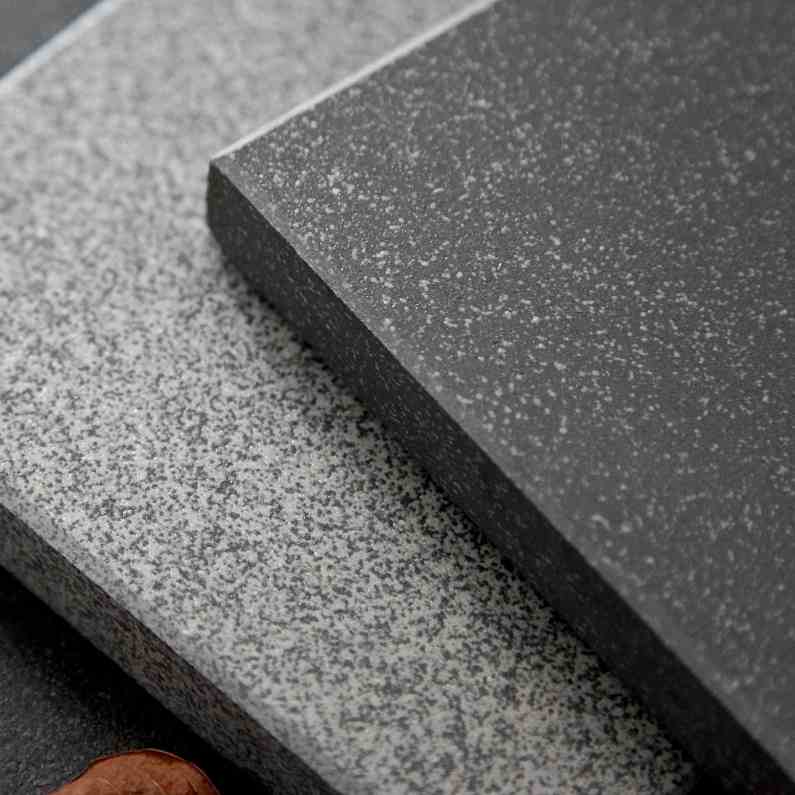
Most people pick a floor finish based on how it looks under showroom lighting. The sample gets tilted, admired, and approved without a single drop of water touching it. But the real performance test happens on a wet Tuesday morning when someone walks in with damp shoes and suddenly the beautiful surface turns into a skating rink. Slip resistance isn't a static property—it shifts with moisture, wear, and even the type of soles people are wearing. If you only check the spec sheet, you're trusting a number that was measured in conditions your actual space will rarely match.
The detail that gets overlooked is how the surface behaves when wet, not just when dry. Manufacturers often highlight the dry coefficient of friction because it sounds impressive, but that tells you almost nothing about the moment after a rainstorm or a spilled drink. A tile can pass every dry test and still become dangerously slick once a thin film of water sits on top. The right question to ask isn't "is it slip-resistant?" but "how much grip remains when it's wet and already has some foot traffic?" Those two answers can be completely different.
What makes this worse is that by the time you notice the problem, the floor is already installed and people are using it. Retrofitting a surface with anti-slip treatments or mats is a compromise, not a solution. Checking wet slip resistance early—before the order is finalized, before the adhesive dries—costs almost nothing compared to the liability and discomfort of a fall. It's the kind of detail that seems minor in the planning stage and becomes the first thing everyone talks about after the first heavy rain.
Thicker Tiles and Fewer Cracks for a Durable Outdoor Grade
Outdoor surfaces live a rough life, and thin tiles simply can't keep up. By moving to a thicker profile, you give each piece the structural heft to shrug off dropped tools, shifting furniture, and the occasional stray branch without turning hairline stress into a full split. The extra density spreads impact energy across a wider base, so what would normally chip a corner or run a crack down the face just leaves a faint scuff that weathers away.
Fewer cracks aren't just about luck or careful handling. Thicker tiles resist the flex that happens when the ground beneath settles or freezes and thaws. A slim tile bends with the substrate until it snaps; a thicker one stays rigid enough to bridge tiny voids and uneven spots. That means installations hold their clean look longer, and you spend far less time patching, replacing, or explaining why a supposedly tough floor gave up after one hard season.
For anyone who has watched a patio or walkway develop a spiderweb of fractures within a year, the difference is immediate. You stop treating outdoor tile like something fragile and start using it the way it should be used: under heavy foot traffic, in direct sun, through rain and frost, without worrying about the next crack appearing before the current one is even repaired.
Laying Patterns That Make Small Patios Look Twice the Size
Diagonal laying is one of the quickest ways to stretch a compact patio. Instead of running joints parallel to the house, angle the paving at 45 degrees so the longest diagonal line crosses the full space. That continuous movement draws the eye outward and makes the edges feel further apart than they actually are.
A staggered running bond can work similarly if you keep the long side of each paver aligned with the patio's longest dimension. Offset the joints by a third or half, but avoid tight borders that box the surface in. Let the pattern run past the seating area toward planting beds or steps so there is no hard visual stop.
Large-format pavers with narrow joints also reduce visual clutter. Fewer grout lines mean fewer interruptions, which gives a smoother, more open surface. If you still want texture, pick one subtle tonal shift and keep the layout uniform rather than mixing several patterns in a small footprint.
How Porcelain Pavers Handle Frost, Sun and Spills Season After Season
Most outdoor materials have a weak season. Wood swells in rain, concrete salts in winter, and some stones fade under strong sun. Porcelain pavers don't really have that obvious weak point, mainly because they are fired until the surface becomes almost glass-like and water has a hard time finding a way in. That matters most in cold weather, when trapped moisture can freeze, expand and crack a paver from the inside. With porcelain, the water stays out, so frost tends to slide off the list of worries.
Sun is another factor that works slowly. A paver that looks rich and dark in spring can look tired by late summer if the color is only on the surface. Here the color runs through the entire tile, so foot traffic and strong light don't reveal a paler layer underneath. Spills add to that resilience. Coffee, cooking oil, berry juice from a child's snack, or a splash of sunscreen near the pool usually sit on top long enough to be wiped away without leaving a permanent mark.
It is not a completely zero-care surface, but the routine is minimal: rinse off dust, spot-clean anything sticky, and let the seasons do what they will. That is a practical kind of durability, especially for patios and pool decks that are expected to look the same in November as they did in May.
Choosing a Shade That Works with Your Garden's Changing Light
Most gardeners fixate on a plant's sun or shade label and forget that light in a real garden is never static. A bed that bakes by noon may fall into deep shadow by four, while a north-facing corner can glow with reflected heat off a pale wall for an hour each evening. Rather than chasing a single condition, watch how light sweeps across the space over a full day and across seasons. The same patch that feels harsh in July might be gentle in early spring, and a shade-loving foliage plant that sulks in August can look crisp again by late September.
Pick colors that can absorb a little inconsistency without turning dull. Pale lemon, soft apricot, and silvery blue hold their clarity in both bright and filtered light, while saturated reds and deep purples tend to flatten or disappear as shadows lengthen. If your border moves from sun to shade through the afternoon, lean on mid-tone flowers with luminous edges or leaves that catch a backlight. Variegated foliage and plants with fine, airy texture also help the eye move through shifting pools of light instead of getting stuck on a single dark spot.
The most reliable approach is to treat light as a conversation, not a label. Place the same plant in two spots and observe how its color changes before committing to a whole drift. A warm white might read as creamy in morning sun but turn gray under a tree canopy; a coral that glows at noon can look muddy by dusk. By testing against the actual rhythm of your garden, you end up with a palette that feels alive from early glare to late shade, rather than one that only works for an hour or two.
FAQ
A 20mm outdoor-grade porcelain tile can handle regular car traffic when it is laid on a solid, well-compacted base. The material is denser than most concrete pavers, so you are less likely to see cracks from a slow-moving vehicle, though sharp turns with power steering can still scuff the surface.
Not if you pick a tile with an R11 anti-slip rating and a lightly textured face. Smooth polished porcelain is a poor choice around a pool, but many outdoor ranges have enough grip for bare feet and wet shoes without feeling rough underfoot.
Far less. A rinse with a hose or a soft broom usually clears away dust and leaves. Spilled food or drink can be wiped off without staining, and you will not be sanding, oiling, or replacing rotten boards every spring.
No, that will lead to movement and cracked tiles. You need a prepared sub-base, typically compacted hardcore and a sharp sand or mortar bed, or an adjustable pedestal system for balconies and roof terraces.
High-quality porcelain is fired at such high temperatures that the pigment runs through the body of the tile, not just across the top. Expect the shade to stay stable far longer than dyed concrete or timber stain, though very dark tiles can feel hot underfoot in summer.
Mix two or three sizes from the same range, use a staggered laying pattern, and break up large areas with planting pockets or a contrasting border. A matte stone-effect finish also reads more natural than a high-gloss surface.
If you want tight, modern joints, yes. Rectified edges are cut precisely after firing so tiles line up with minimal gaps. Non-rectified tiles are cheaper but can show slight size variation, which forces wider joints and a more rustic layout.
You need a diamond blade and ideally a wet saw or a grinder with a steady hand. Porcelain is hard and brittle, so a manual tile cutter that works on ceramic may simply shatter it. Mark once, cut slowly, and keep the blade cool.
Conclusion
Outdoor surfaces often promise more than they deliver, but the right porcelain paving tile changes the way a patio feels before you even notice why. The surface has a slightly dense, almost cool texture under bare feet that makes it feel more considered than ordinary concrete or stone. More importantly, that finish is not just about comfort. A properly specified anti-slip grade earns its keep after the first real downpour, when smooth-looking paving can turn unexpectedly slick. Choosing a thicker outdoor-grade body reduces the risk of hairline cracks from shifting furniture or seasonal ground movement, so the space stays level and safe rather than slowly accumulating trip hazards.
Beyond the tile itself, layout does much of the visual work. Running pavers in a diagonal or staggered pattern can pull the eye outward and make a compact terrace feel noticeably larger without changing its footprint. Because porcelain is fired at high temperatures, it also shrugs off frost, prolonged sun, and spilled barbecue sauce with far less staining or fading than many alternatives. That resilience pairs well with a shade chosen for the garden's changing light: a warm greige or soft limestone tone can hold its character from morning shade to late afternoon glare, keeping the outdoor room inviting all day. Together these details explain why the best porcelain ranges do more than cover ground; they quietly shape the whole atmosphere of an outdoor area.
Contact Us
Contact Person: Emma
Email: [email protected]
Tel/WhatsApp: 8618064423698
Website: https://www.beataceramics.com/