

Top Used Crawler Cranes That Deliver Heavy Lifting on a Budget
2026-05-23
In the demanding world of heavy lifting, finding reliable equipment that won't break the bank can feel like an impossible challenge. At JILIANG CHI, we know that budget constraints shouldn't mean compromising on power or safety. That's why we've compiled a list of the top used crawler cranes that strike the perfect balance between exceptional lifting capacity and affordability. Whether you're tackling a construction project, an infrastructure build, or an industrial task, these machines offer proven performance without the hefty price tag. Read on to discover how you can elevate your operations while keeping costs firmly grounded.
Why Pre-Owned Crawler Cranes Are Construction's Best-Kept Secret
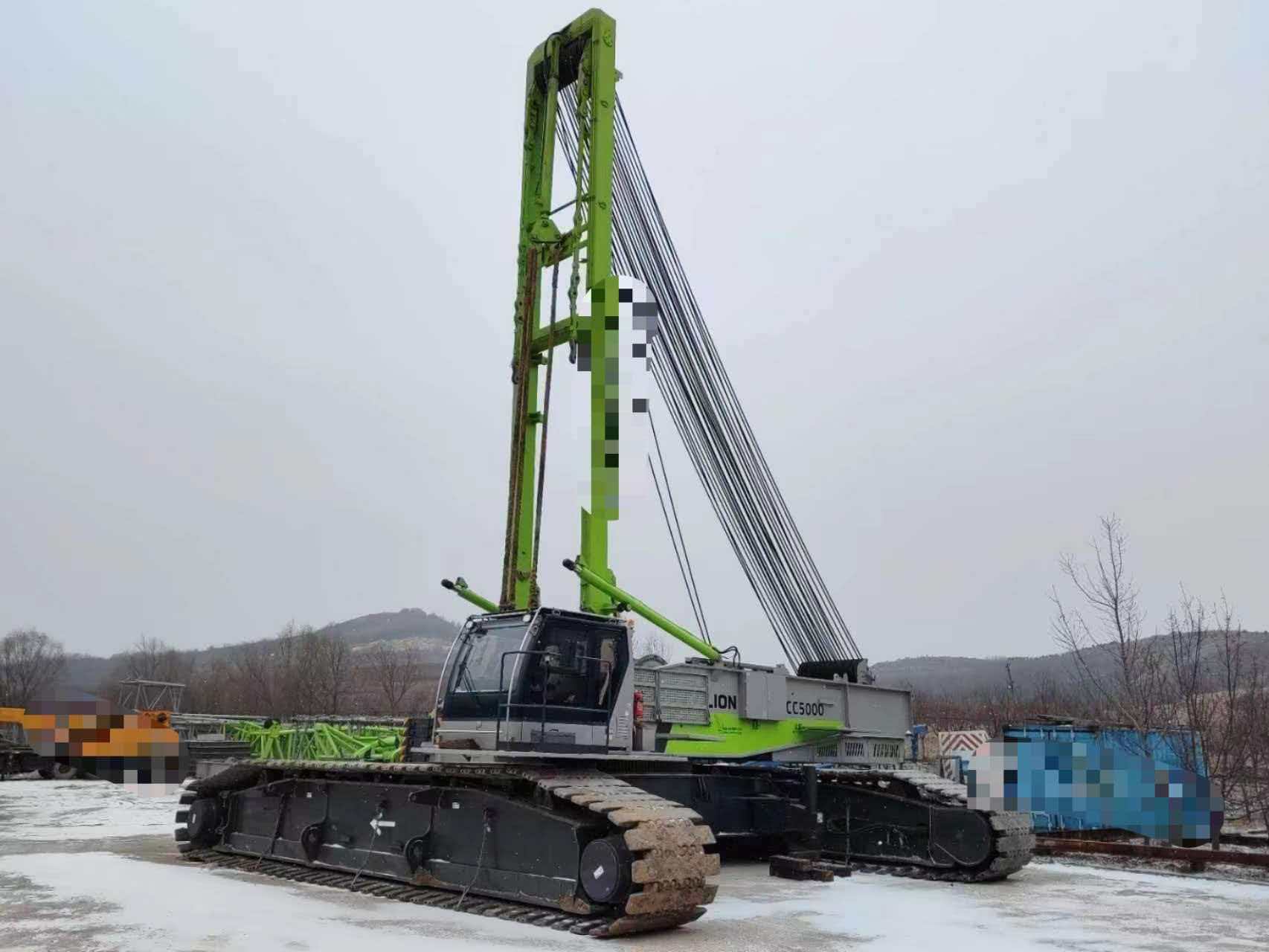
In an industry where shiny new machinery often steals the spotlight, pre-owned crawler cranes quietly deliver exceptional value on job sites around the world. Contractors who have discovered this secret know that these machines can tackle heavy lifting projects with the same grit as their factory-fresh counterparts—often at a fraction of the price. By opting for a well-maintained used model, companies free up capital for other critical needs without sacrificing lifting capacity or reliability.
Beyond the upfront savings, pre-owned crawler cranes sidestep the steep depreciation that hits new equipment the moment it leaves the dealer’s lot. Many used cranes come with thorough inspection reports and service histories, making it easier to gauge their true condition. With proper upkeep, these workhorses continue to deliver decades of hard work, and their modular design means parts are widely available and relatively simple to swap out. It’s a practical choice that seasoned project managers embrace for both long-term infrastructure builds and shorter commercial projects.
Availability is another advantage that often goes overlooked. While new crane orders can involve months of lead time, pre-owned units are typically ready to move when you are—allowing projects to start sooner and stay on schedule. From tighter urban footprints to sprawling industrial sites, a properly sized used crawler crane can navigate the demands of the modern construction environment while keeping budgets firmly in line. It’s hard to call that anything but a best-kept secret worth sharing.
Spotting a Diamond in the Rough: Inspection Essentials
It begins with a careful visual scan in natural light, where even a novice eye can learn to pick up on the subtle clues—surface texture can be telling, but don't confuse a rough, greasy luster with simple dirt. Real diamond rough often carries a peculiar slickness, as if coated in a thin film of oil, setting it apart from quartz or glassy minerals that might sparkle a bit too eagerly. Hold the stone in your palm and feel its weight; a diamond will have a noticeable density that belies its size, a quiet heft that many simulants lack.
Bring a simple loupe or magnifier into the routine. Tiny triangular growth marks, known as trigons, can dot the surface—nature’s own signature that rarely appears with precision on imitations. Look for crystallized inclusions or oddly geometric gashes rather than the round bubbles common in paste. And don’t be fooled by a sharp octahedral shape; while it’s a promising sign, clever synthetics can mimic this form. Tilt the specimen under light and watch how reflections behave: genuine rough often masks its fire, revealing it only in fleeting angles, whereas fakes practically shout with scattered brilliance before you’ve even begun to search.
Finally, lean on a quick scratch test if circumstances allow, but treat it as a last resort. A fragment of corundum or a tungsten carbide scribe can leave its mark on many pretenders, yet the rough diamond will remain unblemished. Even a simple thermal tester—if one is handy—can separate diamond’s chill from warm-feeling glass. Keep your expectations in check; nature’s raw diamonds seldom look like the cut gems in a showcase. The real art is not in finding a lustrous pebble but in recognizing what nobody else paused to check: weight, surface, and an almost stubborn refusal to shine under casual light.
The Heavy Hitters: Used Models That Still Pack a Punch
Some older models refuse to fade quietly. Dig through classifieds or auction listings, and you'll spot a handful of machines that command respect despite years of use. These aren't just disposable goods—they're built to last, engineered with an eye toward longevity rather than planned obsolescence. Whether it's a diesel truck with a million-mile reputation or a mirrorless camera that still produces magazine-quality images, these heavy hitters prove that newer isn't always better.
Pickup trucks from certain Japanese nameplates come to mind immediately—the kind you still see hauling loads with 300,000 miles on the odometer and barely a rattle. Then there are the European sport sedans that, even with a decade of wear, deliver steering feel and cabin quality that embarrass many brand-new economy cars. On the tech side, a previous-generation flagship phone often snaps photos and runs apps nearly as smoothly as its shiny replacement, for half the price. The common thread? They were overbuilt from day one, and it shows.
If you're hunting for a used gem, skip the hype around the latest releases and pay attention to service history and common trouble spots instead. Join owner forums, read up on buying guides, and don't shy away from a well-maintained example with higher mileage. A thorough pre-purchase inspection can separate the true survivors from the neglected ones. With a little patience, you'll land something that still hits hard long after its first owner signed the papers.
Maintenance Moves That Pay Off Big
Skipping routine maintenance might seem like a time-saver, but those small fixes you keep putting off are quietly draining your wallet. A five-minute inspection can catch a loose bolt or a worn seal before it becomes a weekend-ruining breakdown. Think of it as giving your equipment a quick health check—it costs almost nothing, yet it routinely prevents repairs that would cost hundreds.
The real payoff often hides in the details nobody talks about. Cleaning coils on a refrigerator, flushing a water heater, or even just tightening screws on furniture—these tiny acts push efficiency up and energy bills down. You're not just avoiding disaster; you're squeezing extra years out of your appliances without spending a dime on replacements.
There's a quiet satisfaction in spotting a problem at 3 o'clock on a lazy Saturday instead of midnight before a deadline. Proactive maintenance turns panic into preparedness. The tools are already in your drawer, and the know-how is a quick video away. Every minute you invest now pays back in peace of mind and a fatter bank account later.
When Budget Meets Brawn: Real Projects, Real Savings
There’s a common myth that scaling back on spending means sacrificing quality or hitting a wall on execution. But some of the most resourceful teams have flipped that idea on its head, proving that a tight budget can actually sharpen focus and spark genuine ingenuity. It’s not about cutting corners—it’s about rethinking what’s essential and finding unexpected ways to do more with less.
Real projects—whether a community renovation, a tech rollout, or a product launch—often discover that creativity thrives under constraint. When money isn’t flowing freely, every decision gets scrutinized, leading to leaner workflows, smarter partnerships, and a culture where people feel ownership over every dollar saved. The result isn’t just a completed project; it’s a blueprint for resilience that outlasts the initial budget crunch.
What often gets overlooked is the ripple effect. Savings unlocked in one area—say, by sourcing local materials or tapping open-source tools—free up resources for critical moments downstream. These choices don’t just trim the bottom line; they build momentum and trust. By the time the project wraps, the story isn’t about what was missing—it’s about how much was gained when the team decided to outsmart the budget, not just meet it.
Landing a Crane That Lifts More for Less: Negotiation Know-How
Snagging a crane that really lifts more for less hinges on digging past the shiny brochure talk. There’s a tendency to get anchored on the maximum load capacity, but daily lifting needs often live well below peak specs. In negotiations, shift the conversation to the actual weight spectrum your projects demand. Ask the dealer to configure a machine with exactly the hydraulic reach and duty cycle you need, rather than an off-the-shelf beast that bleeds fuel and sits idle at 80% capacity. This alone can cut capital and running costs before you even talk numbers.
When the back-and-forth begins, never let the price tag drive the deal. A lower upfront figure can mask brutal operating costs—think fuel burn, maintenance intervals, and resale erosion. Build a total cost of ownership model right at the table. Press the seller to include an extended powertrain warranty or a comprehensive service package at no extra markup. Often, a thinner margin on the machine can be offset by their willingness to bundle value you’d otherwise pay for separately. Keep the conversation on value per lift, not just the cheque you write today.
Timing and quiet homework tip the scales even further. Visit dealers at month-end or quarter-end when they’re hungry to hit targets, but first, gather real-world intel from operators, not just sales reps. Contact a couple of long-term owners and ask about unscheduled downtime or quirks that specs never reveal. Bring that insight into negotiations calmly—mentioning you’ve heard about a recurring boom sensor issue, for example, instantly builds your credibility and shifts the power dynamic. The goal isn’t to squeeze them dry, but to craft a deal where both sides walk away knowing the crane truly lifts smarter, not just cheaper.
FAQ
Focus on the undercarriage, track condition, and slew ring wear. Check service records for engine hours versus actual mileage, and look for signs of rust or stress around the boom joints. A thorough load-test history often reveals how well the machine was maintained.
Liebherr and Manitowoc models tend to retain resale value due to parts availability and robust engineering. Kobelco and Hitachi also offer solid reliability, especially in the 50- to 100-ton class. Avoid obscure brands where spare parts become a headache.
Ask for a recent certified load chart and compare it against the original manufacturer specs. On-site, test the crane with a known weight if possible. Pay attention to any aftermarket modifications—like boom extensions—that weren’t factory-approved, as they can skew capacity.
Dealers often provide limited warranties and have a reputation to protect, so they inspect and service machines beforehand. Auctions can offer lower prices, but you’re taking on more risk—always bring a mechanic knowledgeable in crawler cranes to inspect before bidding.
Expect to spend between $200,000 and $400,000 for a well-maintained 100-ton crawler crane built within the last 15 years. Older machines or those with high hours might drop below $150,000, but they often require significant refurbishment.
The Kobelco CK1100G and Manitowoc 2250 are praised for fuel efficiency and straightforward hydraulics. The Hitachi CX series also stands out for easy maintenance access, which reduces downtime and labor costs over time.
Many overlook transportation logistics—crawler cranes are heavy and wide, often needing disassembly and permits. Others skip a thorough undercarriage inspection, which can lead to a $50,000 track replacement soon after purchase. Always factor in delivery and initial repairs.
If you’re working in regions with strict Tier 4 requirements, older engines might be barred from certain job sites. Even if you operate in less regulated areas, resale value is higher for machines meeting current emission standards, so consider upgrading the engine if needed.
Conclusion
Pre-owned crawler cranes consistently outperform expectations when budgets are tight, yet many contractors still overlook them. The secret lies in recognizing that well-maintained used machines often deliver the same lifting muscle as new models at a fraction of the cost. Smart buyers focus on thorough inspections—checking undercarriage wear, boom integrity, and engine hours—to uncover true value that others miss. Models like the Kobelco CKE2500 or Link-Belt LS-138H remain workhorses on job sites, proving that age doesn’t dictate capability. By pairing a rigorous inspection routine with knowledge of which older units still pack a punch, companies routinely land cranes that handle demanding lifts without draining capital reserves.
The real payoff happens when budget meets brawn on actual projects: bridges, wind farms, and commercial builds where used crawlers have slashed rental and ownership costs by up to 40%. Preventive maintenance is the multiplier here—simple habits like daily track tension checks and scheduled hydraulic system flushes extend service life and prevent expensive downtime. When it’s time to buy, negotiation isn’t about haggling; it’s about presenting inspection findings to justify a lower price while still respecting the machine’s worth. Sellers often accept reasonable offers when buyers come armed with data, not demands. The combination of careful selection, dedicated upkeep, and informed deal-making transforms a used crawler crane from a gamble into a strategic asset that lifts both materials and profitability.
Contact Us
Contact Person: Sally Xiao
Email: [email protected]
Tel/WhatsApp: 086-18221477398
Website: http://www.shjiliangchi.com/