

Wholesale Dried Flowers for Beautiful Arrangements and Crafting
2026-10-16
Dried flowers have a stubborn kind of beauty—they refuse to wilt, which makes them ideal for arrangements and crafts that need to last. If you're tired of buying tiny overpriced bunches, it's time to look at wholesale. PHLEEYA carries a wide range of dried stems, grasses, and fillers that hold their color and texture beautifully. Whether you're making wedding decor, wreaths, or resin art, buying in bulk lets you experiment without worrying about running out. Here’s what to know before you stock up.
Bulk Dried Stems That Keep Their Color Without Any Fuss
Ever bought a batch of dried stems that looked gorgeous online, only to have them fade to a sad, dusty brown within weeks? It’s a common letdown, and usually the fault of sloppy drying or over-processing. The good news: there are plenty of bulk options that hold their color with zero effort on your part—no re-dying, no special treatments, just stems that stay vivid from the moment you unpack them until long after the season ends.
Look for naturally pigmented varieties like red willow, orange safflower, yellow yarrow, or deep blue eryngium. These hold their hues remarkably well through air-drying or gentle kiln methods without needing any chemical fixatives. What matters more than the species is the supplier’s drying process—good wholesalers dry quickly and in the dark, which locks in the original color instead of letting it bleach out slowly.
If you want the absolute simplest route, stick to dyed stems from reputable sources. The difference between a good dyed stem and a cheap one is night and day: quality dyeing uses plant-safe, colorfast pigments that won’t rub off on your hands or fade in indirect light. Either way, you’re getting color that stays put—no fuss, no upkeep, just set them in a vase and enjoy.
Arrangements That Look Just as Good on Day Thirty
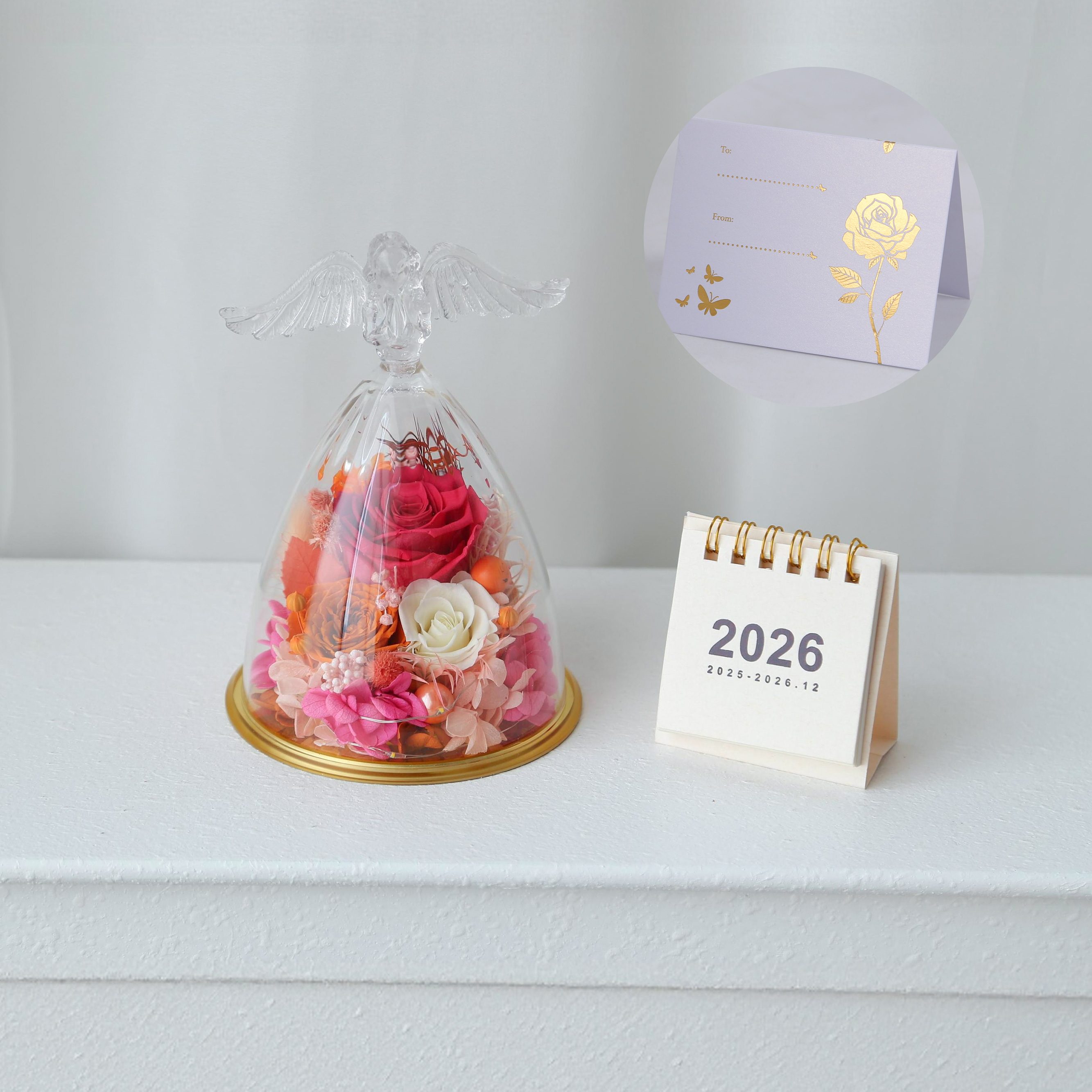
Most arrangements are designed for a brief moment—a dinner party, a weekend visit, a photo. By day thirty, the petals have dropped and the water has clouded. But there's a different approach that starts with the end in mind. Instead of picking whatever looks freshest at the market, you choose stems, grasses, and seed pods that are already on their way to drying naturally. The texture changes, the colors soften, and the shape holds. That's the whole trick: work with materials that don't need to be replaced.
Eucalyptus, pampas grass, statice, and strawflowers are obvious choices, but don't overlook branches with interesting bark or dried lotus pods. Arrange them in a vessel without water, or let a fresh arrangement slowly transition into a dry one by pouring off the water after a week. The key is to keep the stems from sitting in moisture, which invites mold. A heavy ceramic or terracotta pot helps balance tall dried grasses. If you want a touch of green, use preserved moss or air plants, which need almost nothing to stay alive.
Placement matters more than people expect. Keep the arrangement away from bathroom steam and direct afternoon sun, which can fade dried blooms to a brittle beige. A gentle dusting with a soft brush every ten days keeps the texture looking intentional rather than neglected. If a stem snaps, tuck it back in or trim it—nobody will notice. After thirty days, the arrangement won't look identical to day one, and that's the point. It should look settled, like it belongs in the room.
Crafting With Sturdy Petals, Grasses, and Seed Pods
Sturdy petals from strawflowers, statice, or globe amaranth hold their shape long after picking, but their stiffness can surprise you at the worktable. Rather than forcing them flat, let the petal's natural cup guide how it sits against a bundle of dried grasses. A single row of overlapping petals stitched with waxed linen thread turns a plain grass coil into a textured wreath base that doesn't need glue to stay put.
Grasses bring more than filler if you sort them by stem thickness and seed head weight. Thin, flexible blades like fescue work best for wrapping and binding, while thicker stalks from oats or wheat give structure to small woven mats. Keep bundles slightly damp before bending them into loops or knots, then let them dry in position—this reduces cracking and helps the piece keep its silhouette longer.
Seed pods ask for a different approach than petals or leaves. Their weight can pull a delicate arrangement out of balance, so treat them as anchors. Drill a tiny hole through tougher pods like lotus or poppy before threading them onto hemp cord; for brittle pods such as love-in-a-mist, wrap the stem with a thin strip of bark instead of piercing the pod itself. A cluster of three pods tied at the base of a grass bundle gives a finished edge without looking overly arranged.
Why Event Planners Order Dried Flowers by the Case
Event planners rarely settle for a handful of stems when a single centerpiece might need forty or fifty. Ordering dried flowers by the case gives them the freedom to experiment across multiple tables, backdrops, and installation pieces without the panic of running short mid-setup. Bulk quantities also mean every arrangement shares the same color batch and stem quality, eliminating the patchy, mix-and-match look that kills a cohesive design.
There is a practical math behind it too. Individual bunches often arrive crushed, uneven, or with snapped heads, and by the time you discard unusable pieces, you have paid double for half the volume. Cases ship with better internal packing, less handling per stem, and the kind of volume discount that turns a six-hundred-dollar flower budget into a four-hundred-dollar line item. For planners managing multiple events in a season, leftover cases simply roll into the next job instead of becoming dead inventory.
Beyond cost and consistency, dried flowers in case quantities unlock a different creative pace. You can afford to make mistakes, pull apart a garland, or test a hanging installation without rationing every stem. That breathing room is rare in event work, and it often leads to the organic, slightly wild arrangements clients remember long after the tables are cleared.
Mixing Preserved Blooms for Texture Fresh Can't Match
Preserved blooms bring a tactile depth that fresh stems simply can't hold onto. Once you start mixing varieties—think crinkled eucalyptus pods next to velvety rose heads, or papery lavender bunched against smooth, waxed ruscus—you get a surface that begs to be touched. Fresh flowers may look lovely on day one, but they quickly wilt into a uniform softness. Preserved material keeps its individual character, from brittle seed heads to supple grasses, so every arrangement feels like a curated collection of textures rather than a generic bouquet.
The secret lies in how different preservation methods interact. Glycerin-treated foliage stays flexible and almost leathery, while air-dried stems turn crisp and fragile. When you layer these together, the contrast is stark: a fluffy bunny tail grass can sit beside a rigid, bleached palm spear without either losing its identity. Fresh flowers lack this range because they all share the same watery, fragile cell structure. With preserved blooms, you can build a piece where the roughness of a dried lotus pod plays off the silky petal of a stabilized peony, creating movement that feels architectural rather than accidental.
What makes this texture truly unmatched is its permanence. A fresh arrangement loses its crisp edges within days, but preserved stems keep their ridges, curls, and naps for months or even years. You can run your fingers over a mixed bundle and feel the same prickly statice, the same soft moss, the same brittle honesty pods that were there on day one. That kind of sensory longevity changes how you display flowers—they become objects to live with, not just fleeting decorations. Once you've experienced that, going back to fresh feels like trading a woven tapestry for a paper napkin.
A Practical Guide to Storing Wholesale Dried Botanicals
Most dried botanicals start degrading the moment they're exposed to warm air, direct light, or fluctuating humidity. If you're buying wholesale, treat storage as part of procurement. Keep temperatures steady between 50°F and 65°F, and aim for relative humidity below 45%. A simple basement shelf often fails because of dampness, so consider a dedicated closet with a small dehumidifier or silica gel canisters placed near, but not touching, the plant material.
Air is another quiet enemy. Oxygen slowly breaks down volatile oils and pigments, leaving botanicals dull and less potent. For bulk quantities, use food-grade buckets with gamma seal lids, or line larger bins with heavy mylar bags. Press out as much air as possible before sealing, and if you open a container often, divide the contents into smaller portions so the main stock isn't repeatedly exposed. Avoid clear glass jars for anything stored longer than a month unless they're kept in a dark cabinet.
Pests and moisture wicking are the final common failures. Whole leaves and roots can look dry on the outside while holding residual moisture in the stem or core. Before long-term storage, do a snap test: stems should break cleanly, and thicker roots should crack rather than bend. Add food-safe desiccant packs only after checking they're compatible with organic material, and inspect every few weeks for condensation or small insects. Rotate stock by harvest date, not purchase date, because even well-stored botanicals lose character after 12 to 18 months.
FAQ
Most bundles mix staples like lavender, statice, strawflower, and eucalyptus. You'll occasionally see bunny tails, palm spears, or dried grasses depending on the season. Each pack leans heavier on textured stems rather than delicate petals because those survive transit better.
We layer the stems between tissue paper and pack them in boxes that don't leave much room for shifting. That said, expect a little natural shedding with any dried material, it's not a flaw, just part of working with botanicals. Shake off the loose bits outside and they're ready to use.
Most of the color is the flower's own dried tone. We do carry a few dyed options like blue phalaris or burgundy ruscus, but those are always labeled separately if you request them. Otherwise, nothing sprayed, no fragrance added.
If kept away from direct sun and high humidity, they can look good for one to three years. Colors will soften over time, especially pinks and reds, but the structure stays intact. Store them in a cool closet until you're ready to arrange.
Yes, custom mixes are possible for orders over a certain quantity. You can choose a palette, say rust and cream, and we'll pull stems that fit that tone. Lead time is usually two to three weeks because we don't pre-pack custom blends.
You'd need to order at least 10 bundles of the same mix to unlock wholesale rates. Smaller sample packs are available at a slightly higher per-stem cost, which is a good way to check colors and textures before committing.
They're flexible. Long-stem varieties work in vases and bridal bouquets. Shorter bits or grasses are ideal for wreaths, garlands, and resin casting. If you're doing table centerpieces, the mixed bundles give you a ready-made base to build from.
A gentle blast from a hairdryer on the cool setting every few weeks keeps dust from settling. Don't use water or any leaf shine, dried stems don't react well to moisture. If some heads start looking tired, you can pull them out and replace with fresh stems from the same bundle.
Conclusion
Buying dried flowers by the case makes sense once you realize how little they demand. Stems hold their pigment without watering, trimming, or fussing over light conditions, and a centerpiece put together on a Monday still looks intentional three or four weeks later. That kind of reliability is why wedding and corporate event planners don't hesitate to order in bulk—they can prep dozens of tables days ahead and not worry about wilting before the doors open. The color range stays true enough that a dusty rose bunch today will match the napkins on day thirty.
For crafters, the appeal is in the structure: sturdy petals, dried grasses, and seed pods hold up to being wired, glued, and arranged without crumbling. Mixing preserved blooms with naturally dried ones creates a texture that fresh flowers simply can't replicate—think matte eucalyptus next to glossy preserved roses or feathery lagurus against rigid wheat stalks. Storing these botanicals is straightforward: keep them out of direct sun, away from humidity, and in a closed box or bin when not in use. A cool, dark shelf works better than a garage that swings between damp and dry. With a little care, a wholesale order can stretch across multiple seasons of wreaths, bouquets, and table decor without losing its shape or color.
Contact Us
Contact Person: Mr. Luo
Email: [email protected]
Tel/WhatsApp: 86 18100895505
Website: https://www.feiliyaflowers.com/en/