

How Have International Regulations Shaped Flange Insulation Gasket Development?
2026-04-02
Why Do International Standards Play a Critical Role in Flange Insulation Gasket Design?
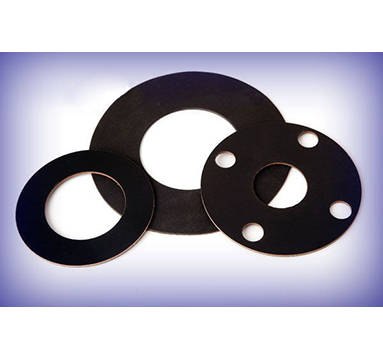
In global pipeline engineering, regulatory frameworks such as ASME, ASTM, API, and ISO have fundamentally influenced how sealing solutions are designed and manufactured. These standards define not only dimensional tolerances but also dielectric strength, mechanical integrity, and fire safety performance. As a result, Flange Insulating Gasket Sets have evolved from simple sealing components into highly engineered systems capable of meeting stringent compliance requirements across oil and gas, petrochemical, and water treatment sectors.
From our experience, projects in North America often require compliance with ASME B16.5 and API 6A, while European installations prioritize EN standards and PED directives. Our factory continuously aligns production processes with these frameworks to ensure compatibility in cross-border procurement scenarios. Ningbo Kaxite Sealing Materials Co., Ltd. has invested heavily in testing capabilities to ensure our products meet dielectric isolation and corrosion prevention benchmarks required by international buyers.
How Have Safety and Environmental Regulations Driven Material Innovation?
Environmental and safety regulations have significantly accelerated material innovation in sealing technologies. Traditional phenolic materials are increasingly replaced or enhanced with high-performance composites such as G10, G11, and GRE (Glass Reinforced Epoxy). These materials provide superior insulation resistance, compressive strength, and resistance to aggressive media.
Our engineering team has observed that stricter environmental policies, especially in offshore and chemical processing industries, demand low-emission sealing systems. This has led to the development of Flange Insulating Gasket Sets with improved sealing surfaces and controlled compression characteristics. Our factory focuses on optimizing material layering to balance mechanical load distribution and electrical isolation performance.
Additionally, fire-safe requirements under API 6FB and ISO 10497 have pushed manufacturers to design gaskets capable of maintaining integrity under extreme temperatures. Ningbo Kaxite Sealing Materials Co., Ltd. integrates fire-resistant sealing elements to ensure operational continuity in critical applications.
What Technical Parameters Are Defined by International Compliance Requirements?
Regulations have standardized key performance parameters that every qualified gasket system must meet. These parameters ensure reliability across varying pressure classes and environmental conditions. Our production line strictly follows these benchmarks to deliver consistent performance.
| Parameter | Typical Requirement | Industry Standard Reference |
| Dielectric Strength | Minimum 5 kV | ASTM D149 |
| Insulation Resistance | >10^6 Ohms | ASTM D257 |
| Compressive Strength | >200 MPa | ASTM D695 |
| Water Absorption | <0.5% | ASTM D570 |
| Temperature Range | -50°C to 150°C+ | Application Dependent |
These parameters are not optional in international projects. Our factory ensures every batch undergoes rigorous inspection before shipment. Flange Insulating Gasket Sets designed under these criteria significantly reduce the risk of galvanic corrosion and electrical leakage in pipeline systems.
How Do Global Industry Applications Influence Product Structure and Configuration?
Different industries impose unique structural requirements on sealing systems. In oil and gas transmission pipelines, high-pressure resistance and long-term durability are essential. In contrast, water treatment facilities prioritize chemical resistance and cost efficiency.
Our design team customizes Flange Insulating Gasket Sets configurations based on flange type, pressure class, and medium characteristics. Common configurations include full-face gaskets, ring-type gaskets, and RTJ insulating kits. Ningbo Kaxite Sealing Materials Co., Ltd. ensures compatibility with ANSI, DIN, and JIS flange standards, allowing seamless integration into global projects.
| Application | Recommended Material | Key Feature |
| Oil & Gas Pipelines | G10 / G11 | High strength and insulation |
| Offshore Platforms | GRE | Corrosion resistance |
| Chemical Processing | Phenolic + PTFE | Chemical compatibility |
| Water Treatment | Standard Phenolic | Cost-effective sealing |
Our factory has successfully supplied customized solutions for multiple international EPC contractors, ensuring compliance with project-specific technical specifications.
Why Is Certification and Testing Essential for Global Market Acceptance?
Certification is a key factor in international procurement decisions. Buyers require documented proof that products meet regulatory and operational standards. This includes material certificates, third-party inspection reports, and performance testing data.
Our quality control system ensures traceability from raw materials to finished products. Ningbo Kaxite Sealing Materials Co., Ltd. works closely with inspection agencies to validate dielectric and mechanical performance. Our factory also supports client-specific testing protocols, ensuring Flange Insulating Gasket Sets meet unique project requirements.
In many cases, compliance is not just about meeting standards but demonstrating reliability through documented evidence. This builds trust with engineering contractors and procurement teams.
FAQ
Q1: What international standards are most important for flange insulation gasket development?
The most widely recognized standards include ASME, ASTM, API, and ISO. These define dimensions, material performance, dielectric strength, and fire resistance. Compliance ensures compatibility with global pipeline systems and reduces the risk of failure in high-pressure or hazardous environments.
Q2: How do regulations affect the material selection of flange insulation gaskets?
Regulations require materials to meet strict criteria for insulation resistance, mechanical strength, and environmental safety. This has driven the adoption of advanced composites like G10 and GRE, which offer better durability and compliance with modern industrial standards.
Q3: Why are certified gasket systems preferred in international projects?
Certified systems provide documented assurance of performance and compliance. They reduce procurement risks, simplify approval processes, and ensure long-term reliability in critical infrastructure such as oil pipelines and chemical plants.
International regulations have transformed gasket technology from basic sealing solutions into highly engineered systems designed for safety, durability, and compliance. Our ongoing investment in materials, testing, and manufacturing capabilities ensures that our products meet the evolving demands of global industries. If you are sourcing reliable sealing solutions, our team is ready to provide technical support and customized configurations tailored to your project requirements. Contact our factory today to explore high-performance solutions for your pipeline systems.