

How to Choose the Right Separable Connector for 12kV, 24kV, and 36kV Systems?
2026-03-19
Selecting a reliable separable connector for medium voltage distribution systems is not simply about matching voltage ratings. In real-world utility and industrial applications, engineers must consider insulation performance, interface standards, environmental exposure, and installation conditions. For systems operating at 12kV, 24kV, and 36kV, the connector becomes a critical component within Cable Accessories, directly affecting system safety and long-term reliability.
In our experience working with global grid operators and EPC contractors, the most common failure points come from improper interface matching and insufficient insulation coordination. Our factory focuses on designing connectors that comply with IEC standards while adapting to field realities such as high humidity, dust ingress, and thermal cycling. Taili Electric Co., Ltd. has consistently optimized product structures to meet these practical challenges across different voltage classes.
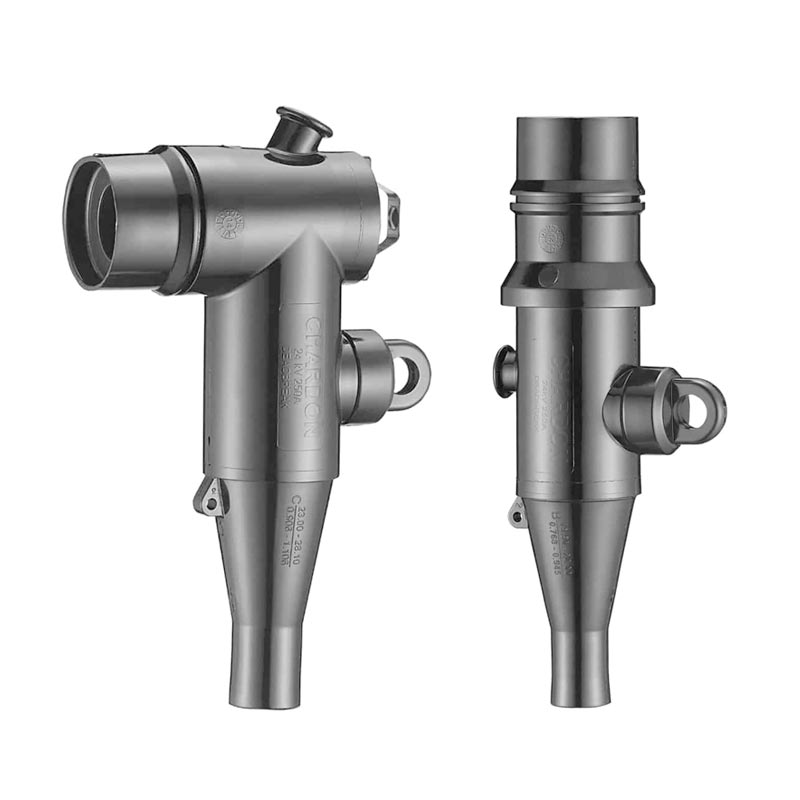
How Do Voltage Ratings Influence Connector Structure and Insulation Performance?
Voltage level determines insulation thickness, stress control design, and material selection. A 12kV system typically requires lower insulation resistance compared to a 36kV system, but it still demands stable electrical performance under load fluctuations. As voltage increases, electric field control becomes more critical, especially at connection interfaces.
| Parameter | 12kV Connector | 24kV Connector | 36kV Connector |
| Rated Voltage | 12kV | 24kV | 36kV |
| Insulation Material | EPDM Rubber | High-grade EPDM | Enhanced EPDM with stress control |
| Partial Discharge Level | ≤10 pC | ≤5 pC | ≤3 pC |
| Application | Distribution networks | Urban substations | High-load industrial grids |
Our engineering team recommends selecting connectors not only based on nominal voltage but also considering surge conditions and system grounding methods. In Cable Accessories design, this ensures that insulation integrity is maintained over long service cycles. Our factory integrates advanced stress cone technology to reduce electric field concentration, especially in 36kV applications.
Why Is Interface Compatibility Critical in Separable Connector Selection?
Interface compatibility is one of the most overlooked aspects when choosing separable connectors. Standardized interfaces such as Interface A, B, and C must match both the bushing and cable termination. A mismatch can lead to overheating, partial discharge, or even catastrophic failure.
From field feedback, we have observed that improper installation often originates from unclear interface specifications. Taili Electric Co., Ltd. addresses this issue by providing clear interface coding and installation guidance. Our connectors are designed to integrate seamlessly with switchgear and transformers used across European, Southeast Asian, and Middle Eastern markets.
In practical deployment, our team ensures that our Cable Accessories align with IEC 60502 and IEEE 386 standards where required. This compatibility simplifies installation and reduces maintenance risks, which is particularly valuable for utility contractors managing large-scale projects.
How Do Environmental Conditions Affect Connector Durability and Material Choice?
Environmental factors play a decisive role in connector lifespan. In tropical and coastal regions, high humidity and salt exposure can degrade insulation materials. In industrial zones, chemical exposure and dust accumulation increase the risk of insulation breakdown.
| Environment | Recommended Feature | Performance Benefit |
| High Humidity | Waterproof sealing structure | Prevents moisture ingress |
| Dusty Conditions | Anti-contamination surface | Reduces tracking risk |
| High Temperature | Heat-resistant insulation | Maintains stability under load |
| Coastal Areas | Corrosion-resistant materials | Extends service life |
Our factory has developed specialized sealing technologies that improve resistance against harsh environments. These innovations ensure that our Cable Accessories maintain consistent performance even in challenging operating conditions. Taili Electric Co., Ltd. continues to refine material formulations to meet regional requirements.
What Installation and Maintenance Practices Ensure Long-Term Performance?
Proper installation is as important as product quality. Even a high-quality connector can fail if installation procedures are not followed correctly. Key steps include proper cable preparation, correct torque application, and ensuring clean contact surfaces.
Our technical team emphasizes the importance of routine inspection. Regular checks for insulation wear, connector alignment, and thermal performance can significantly extend service life. Our factory provides detailed installation manuals and on-site guidance to support contractors during commissioning.
In modern power systems, reliability expectations are increasing. By combining proper installation practices with high-quality Cable Accessories, operators can minimize downtime and improve overall grid stability.
FAQ
How to choose the right voltage rating for separable connectors in 12kV, 24kV, and 36kV systems?
The voltage rating should always match or exceed the system's maximum operating voltage. For example, a 24kV system may require connectors designed for higher insulation levels to handle transient overvoltages. It is also important to consider insulation coordination and safety margins to ensure long-term stability under fluctuating load conditions.
What factors should be considered when selecting separable connectors for different installation environments?
Environmental conditions such as humidity, temperature, dust, and chemical exposure significantly impact connector performance. In coastal or high-humidity areas, connectors with waterproof sealing and anti-corrosion materials are recommended. For industrial environments, resistance to contamination and thermal stress is essential to maintain insulation integrity and reduce maintenance frequency.
Why is interface compatibility important when choosing separable connectors for medium voltage systems?
Interface compatibility ensures proper electrical contact and mechanical stability between the connector and equipment. Using mismatched interfaces can lead to partial discharge, overheating, and eventual system failure. It is essential to verify interface standards such as IEC or IEEE specifications and ensure alignment with switchgear or transformer bushings before installation.
Conclusion
Choosing the right separable connector requires a balanced evaluation of voltage level, interface compatibility, environmental conditions, and installation practices. A well-selected connector not only enhances system safety but also reduces maintenance costs and operational risks. Taili Electric Co., Ltd. continues to support global customers with reliable solutions and practical engineering support. If you are planning a project or need technical assistance, our team is ready to provide tailored recommendations and detailed specifications to help you achieve optimal performance.