

What Makes Biodegradable Polymer Particles a Smarter Choice for Brands That Need Performance and Sustainability?
2026-04-23
When I look at the pressure manufacturers face today, I see the same problem repeated across packaging, consumer goods, and industrial applications: buyers want materials that can support product performance without trapping them in the old plastic trade-off. That is exactly where GP Materials Technology (Jiangsu) Co., Ltd. enters the conversation naturally, because the company focuses on Biodegradable Polymer Particles for businesses that need a more practical route toward material transition, not just a trend-driven label.
I have seen many sourcing teams struggle with one simple question: how do we move toward greener materials without damaging process stability, raising waste rates, or slowing down delivery schedules? In my view, the answer starts with choosing Biodegradable Polymer Particles that are designed to work with real production conditions rather than ideal laboratory assumptions. Buyers do not need vague promises. They need pellets that can fit existing converting logic, help reduce development friction, and support long-term product planning.
In real purchasing discussions, the issue is rarely whether sustainable materials matter. Most buyers already know they matter. The real issue is whether those materials can protect product function, processing efficiency, visual appearance, mechanical balance, and supply consistency at the same time. That is why I believe Biodegradable Polymer Particles deserve closer attention from companies trying to improve both market positioning and operational control.
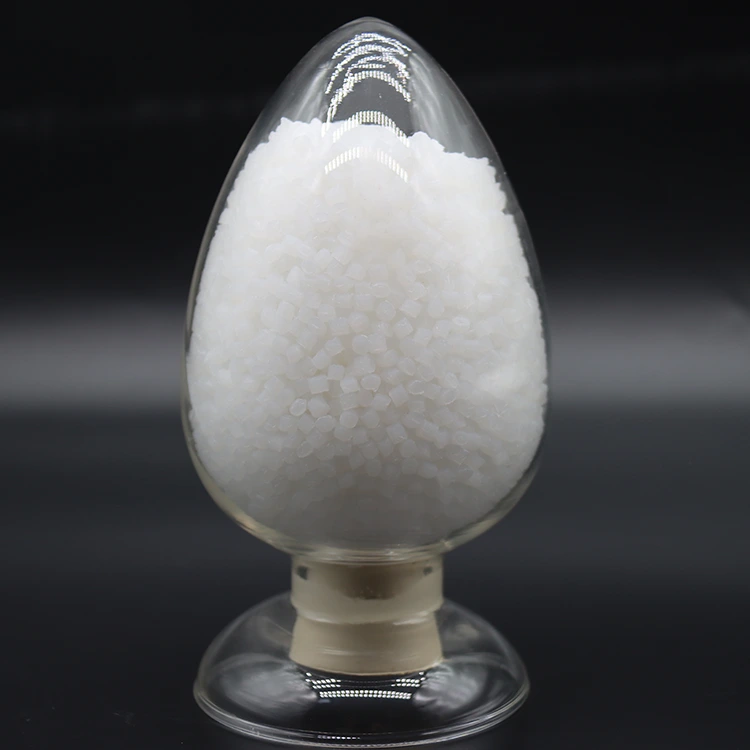
Why Do So Many Buyers Hesitate Before Switching Materials?
I understand the hesitation. A material shift affects far more than the raw material line on a quotation sheet. It can change machine settings, finished product feel, reject rate, customer expectations, compliance strategy, and brand messaging. When a buyer makes the wrong choice, the cost appears in multiple places at once.
- I may face unstable forming, molding, extrusion, or film processing results.
- I may have to explain why the product no longer feels, looks, or performs as expected.
- I may lose time during testing because the new material does not fit current equipment logic.
- I may create internal resistance from production teams that prefer to stay with legacy plastics.
- I may struggle to defend the purchase decision if supply continuity is uncertain.
These concerns are reasonable, which is why material selection should never be framed as a simple environmental gesture. It should be framed as a purchasing decision tied to risk control. In that context, Biodegradable Polymer Particles become valuable not because they sound modern, but because they can help companies balance sustainability goals with commercial practicality.
How Can Biodegradable Polymer Particles Reduce the Friction of Product Upgrades?
What I appreciate most in a serious material solution is not dramatic language. It is compatibility. The more a new material works with familiar manufacturing routes, the easier it becomes for a buyer to justify the transition internally. That matters because product development teams do not want a wholesale production reset every time purchasing introduces a new sustainability target.
When I evaluate materials for downstream use, I pay attention to whether they can support common conversion methods, whether they help reduce repeated testing cycles, and whether they create a manageable bridge between current products and future environmental expectations. Strong Biodegradable Polymer Particles can help businesses avoid the painful choice between processing convenience and responsible material strategy.
| Buyer Concern | What the Material Needs to Deliver | Why It Matters in Practice |
| Processing stability | Reliable behavior during mainstream production methods | Helps reduce downtime, waste, and repeated machine adjustment |
| Product performance | Balanced strength, toughness, appearance, or application fit | Protects user experience and market acceptance |
| Cost control | Lower trial-and-error burden during adoption | Supports faster decision-making and smoother project rollout |
| Supply reliability | Stable batch consistency and dependable delivery support | Reduces procurement anxiety and production scheduling risk |
| Brand positioning | A credible pathway toward more responsible products | Strengthens commercial storytelling for distributors and end users |
What Problems Do Manufacturers Actually Need to Solve?
From my perspective, the most common pain point is not the material alone. It is the gap between the material and the finished product target. A buyer may want lighter packaging, better tensile balance, acceptable transparency, controlled foaming behavior, or stable molding output. Those are not abstract ideas. They affect whether a product can enter the market smoothly or stall in development.
That is why I would never recommend judging Biodegradable Polymer Particles only by marketing claims. I would judge them by how well they serve the finished application. A procurement team needs to ask practical questions.
- Will the material support the intended production method without major disruption?
- Will it help me preserve the product characteristics my customers already expect?
- Will it shorten my path from sampling to commercialization?
- Will it fit a long-term sourcing strategy rather than a one-off experiment?
- Will it help my brand discuss sustainability in a credible and commercially useful way?
When those questions are answered well, the value of Biodegradable Polymer Particles becomes much clearer. They are not just a substitute. They are a tool for reshaping product planning with less wasteful hesitation.
Which Product Benefits Matter Most to Serious B2B Buyers?
If I were advising a purchasing manager, I would focus on the benefits that improve decision quality, not just brochure language. The most useful material advantages are the ones that directly lower uncertainty.
- Better transition potential because teams can move toward greener materials without automatically rebuilding the entire production model.
- More controllable development costs because good raw material choices reduce repeated sampling and failed tests.
- Broader application value because different resin systems and downstream uses create more room for tailored product planning.
- Stronger procurement confidence because buyers prefer suppliers that support stable quality and long-term cooperation logic.
- Improved market communication because material upgrades become easier to explain to distributors, brands, and end users.
In my experience, these are the benefits that survive internal review meetings. Flashy descriptions do not. Teams sign off when they can see how the material helps them reduce production friction and improve business positioning at the same time.
How Do I Compare Traditional Material Thinking With a Smarter Material Strategy?
| Decision Area | Traditional Plastic Mindset | Smarter Upgrade Mindset |
| Selection logic | Choose only for immediate cost and familiarity | Balance current efficiency with future market and environmental pressure |
| Testing approach | React late when regulations or buyers force change | Evaluate earlier and build an adaptable material roadmap |
| Supplier expectations | Focus mainly on price | Consider stability, support, consistency, and application fit |
| Product planning | Treat sustainability as a side issue | Use material choices to support product value and brand credibility |
| Commercial result | Risk delayed adjustment and rushed sourcing | Gain more time to refine product lines and buyer messaging |
I think this comparison matters because buyers often believe the cheapest short-term route is the safest route. It usually is not. Delayed adaptation often costs more later through rushed approvals, poor fit materials, and weaker negotiating power. Choosing the right Biodegradable Polymer Particles earlier can give a company more room to move intelligently instead of react defensively.
What Should I Ask a Supplier Before Making a Purchase Decision?
I would never move forward with a serious raw material supplier without asking direct questions. A strong supplier relationship begins with technical clarity, not vague reassurance.
- What downstream applications are most suitable for this material?
- How does the material behave in the processing method I already use?
- What support can I expect during sampling and trial production?
- How stable is supply from batch to batch?
- Can the supplier support bulk orders, customized cooperation, or OEM-oriented planning where relevant?
- How can I reduce development risk while still improving product sustainability?
These questions help turn a raw material inquiry into a real sourcing strategy. That is the level at which material procurement should happen. I do not want to buy pellets in isolation. I want to buy a practical route toward reliable product development.
Why Does Supplier Credibility Matter as Much as Material Performance?
Even a promising material becomes difficult to use if supplier communication is weak, delivery is inconsistent, or technical discussions stay superficial. That is why I see supplier capability and material capability as one combined decision. When a company such as GP Materials Technology (Jiangsu) Co., Ltd. positions its offer around application practicality, scalable supply, and buyer needs, it becomes easier for procurement teams to move from curiosity to action.
For me, a trustworthy supplier should help solve three business problems at once: how to source more responsibly, how to maintain production confidence, and how to shorten the path from material evaluation to marketable products. That is what makes Biodegradable Polymer Particles commercially relevant rather than merely conceptually attractive.
Is Now the Right Time to Upgrade to Biodegradable Polymer Particles?
I believe the better question is not whether the pressure to upgrade will arrive. It already has. Buyers across multiple sectors are being pushed to think more carefully about material choices, product claims, and future readiness. Waiting until the pressure becomes urgent usually narrows options and weakens negotiating flexibility.
If I want more control over my product roadmap, this is the right time to evaluate Biodegradable Polymer Particles with a clear head and a practical standard. I would rather test, compare, and source strategically now than scramble later under customer or market pressure.
If you are reviewing material options and want a more realistic path toward sustainable product development, this is a good moment to start the conversation with GP Materials Technology (Jiangsu) Co., Ltd.. If you want bulk supply support, product-fit discussion, or a clearer way to evaluate your next raw material move, please contact us and send your inquiry today. A better sourcing decision usually starts with one direct conversation, and that conversation can begin now.